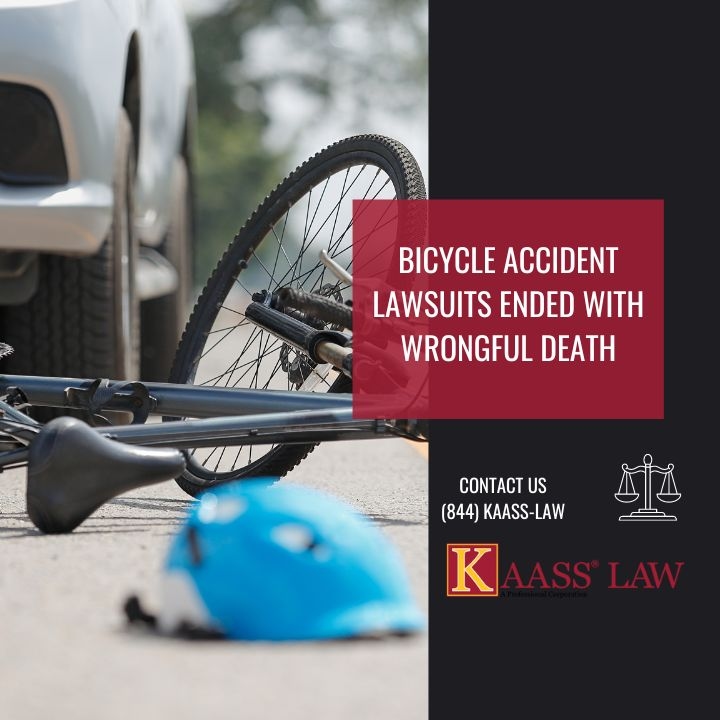
The individual or parties responsible for the bicycle accident may be held financially accountable. Therefore, in California, an accident victim may seek compensation by filing a personal injury lawsuit.
Compensation for a Bicycle Accident
If you got injuries while riding in California, you can receive compensation for:
When a bike accident involves a motor vehicle, you should consult an attorney before dealing with the driver's insurance company. The insurance company will generally want to settle the claim for as low as possible. However, your lawyer will communicate with the insurance company on your behalf.
How Common is a Bicycle Accident in California?
According to the Centers for Disease Control and Prevention (CDC), more than 1,000 bikers were murdered and over 467,000 were injured in the United States in 2015. In 2010, fatal and non-fatal bike accidents cost $10 billion in productivity losses and lifetime medical expenditures. 1 Bicyclist fatalities in the United States increased by 16% between 2010 and 2012. According to the Governors Highway Safety Association (GHSA), California has the greatest number of bicycle deaths. In California, there were 338 bicycle deaths involving motor vehicles between 2010 and 2012.
Risk Factors for a Bicycle Accident
Even skilled bikers can get a bike injury if they ride a bike. Several variables may increase the risk of cycling injury or death for some persons, including:
Age
Sex
Time of the day
Wearing a helmet.
Sex: Males are six times more likely than females to die and four times more likely to get injuries when riding a bike. Age: Adults aged 50 to 59 have the highest risk of bicycle fatalities. Children and teenagers (5 to 19 years old) had the greatest risk of nonfatal bike accidents. Alcohol: A motorist or rider under the influence of alcohol was in more than one-third of all fatal bike accidents. Time of Day: The great majority of fatal bike incidents happened between 4 and 8 p.m. Helmet Use: While wearing a helmet may not prevent bike accidents, it can help avoid head injuries or brain damage. The absence of a helmet is a key factor in death or serious injury in bike accidents. California is the most populous state in the United States. Urban regions, particularly in Southern California and the Bay Area, enjoy mild year-round temperatures, making riding popular all year. Bike commuters, competitive racers, and recreational bikers are all included. Because of the state's heavy traffic, bicycling is an appealing alternative means of transportation for those who wish to avoid waiting in traffic on their way to work. Many locations in the state's metropolitan districts are constructed around vehicles, leaving bikers vulnerable. All these factors enhance the likelihood of a bike accident in California. It is worth noting that Bicyclists have many of the same rights and responsibilities as drivers of motor vehicles under Vehicle Code 21200.
What Should I do After a Car Hit Me on a Bike in California?
Following a motorcycle collision, the most crucial thing to do is seek medical treatment if necessary. If you are hurt, dial 9-1-1. Many bike accidents result in head, neck, or back injuries. Therefore, doctors should examine these injuries. You may feel good after the crash but awaken the next day in excruciating pain. It is preferable to be safe than sorry and see a doctor to ensure that your injuries are not more serious than they look.
Information You Need for Bicycle Lawsuit
You should try to collect as much information about the accident as possible, including:
Your safety is important, and should remain your top priority. Therefore, if the other motorist is refusing to cooperate, is intoxicated, or is attempting to flee the scene, you should just contact the police. The majority of individuals carry their smartphones with them. So it's a good idea to photograph or videotape the accident site and document the car details. Also you should photograph your bike and any injuries as well.
Contact Personal Injury Attorney
Please call KAASS LAW if you have any concerns concerning bike accident lawsuits in California or would want to discuss your case privately with one of our experienced California personal injury attorneys. Also, you can visit our website for other practices.
If you believe you were injured by a defective product, you must consider the following questions:
1. Was the Product Designed with a Flaw?
A design defect refers to a flaw inherent in a product itself, and the product is harmful and dangerous in the way it was conceived.
Examples of Design Defects
Design defects can take many different forms, including unsafe toys, unsafe consumer electronics, and unsafe vehicles Under California law, there are two tests to establish a design defect:
The Consumer Expectation Test
The Risk-Benefit Test
Plaintiff can use either test or both tests to prove a design defect to a jury in a product liability lawsuit.
The Consumer Expectation Test Per CACI 1203
According to CACI 1203, The consumer expectation test evaluates whether a product failed to perform as safely as a regular consumer would have expected it to perform when used as intended or reasonably foreseeable.
What Must Be Proved To Establish a Claim for Products Liability?
To establish the claim for products liability, the plaintiff(s) must prove the following elements:
The defendant is responsible for making, designing, or distributing/selling the product;
The product did not perform as safely as a regular consumer would have expected it to perform
Plaintiff was injured
The product’s failure to perform safely was a substantial factor in causing injury.
The Risk-Benefit Test Per CACI 1204
According to CACI 1204, to establish strict liability using a risk-benefit test, the plaintiffs must prove that:
What Are the Four Most Common Causes of Construction Accidents?
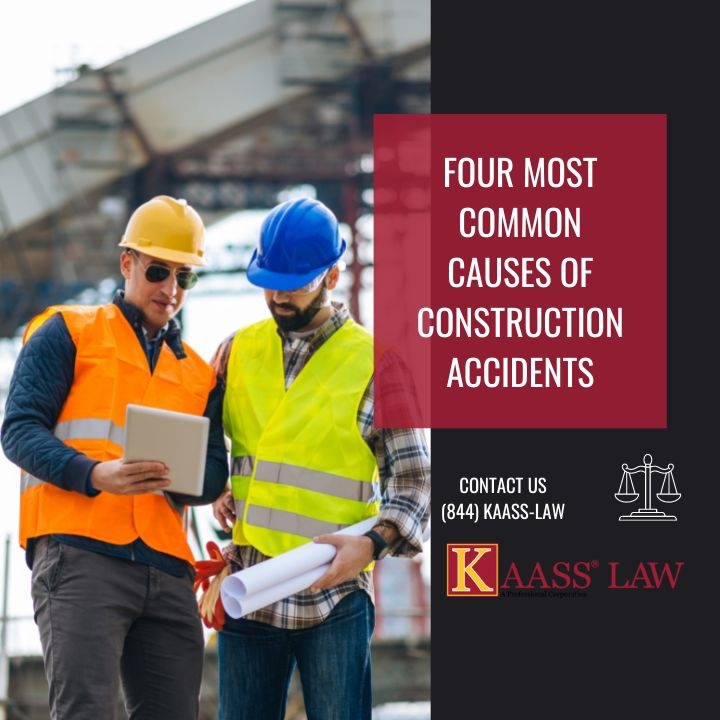
Construction accidents are common and highly risky. Fatalities among construction workers include falls, electrocutions, being hit by equipment, and becoming tangled in or between objects. With high risk of accidents in a construction workplace, chances are high for wrongful death incidents to occur. The article below provides a brief rundown of the four common causes of construction accidents.
Falling Accidents
On construction sites, workers frequently have to perform activities hundreds of feet above the ground. When the proper measures to safeguard the safety of construction personnel are not taken, everyone on the working site is at risk of experiencing a serious mishap. These accidents are known to be the leading cause of death in a construction work environment. To avoid construction site falls, construction companies must provide harnesses, safe stairways, secure scaffolding, and other safety equipment. Injured employees have the right to seek compensation from the construction business and any complicit parties when suitable equipment is not available. Falls on construction sites can occur for a variety of causes, including:
How to Receive Victim's Compensation From an UBER Accident
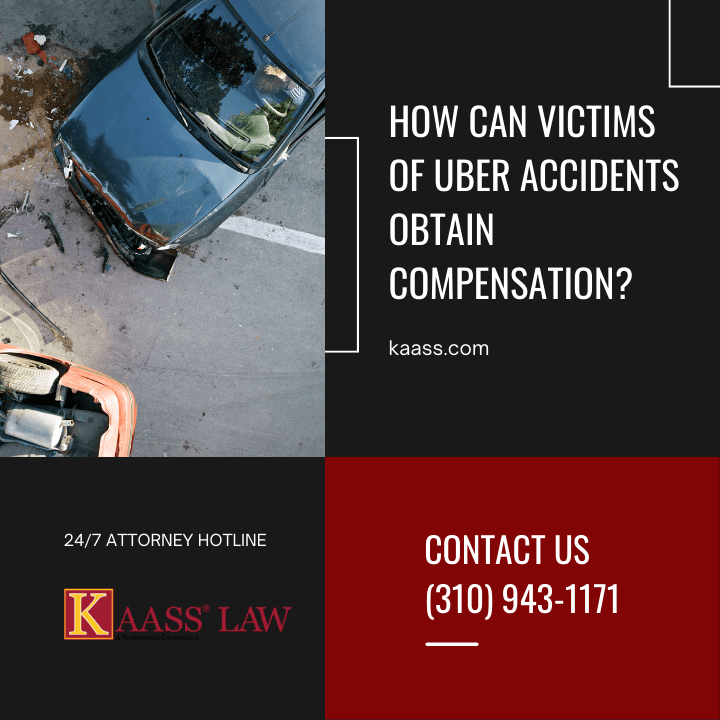
At any moment, a person can be involved in an auto accident. An injured person might not have been a passenger in an Uber car at the time of the accident. Instead, the victim might have been rear-ended by the driver or been injured as a bicyclist, pedestrian, or motorcyclist. An injured victim can file a claim with the Uber driver's insurance policy. Furthermore, an injured party can also file an Uber accident claim with Uber's insurance policy.
Rideshare Insurance Coverage
In California, the drivers with ridesharing companies are required to carry $50,000 per person and $100,000 per accident in liability insurance along with $30,000 in property damage. The rideshare company also carries $200,000 in extra coverage. The insurance is applicable as long as the driver is logged into the app and looking for a customer request. When the driver accepts a ride and is en route to pick up the customer, the $1 million insurance kicks in.
Collecting Evidence of an Uber Accident
After the accident's victim must immediately take the following steps to preserve the right to compensation:
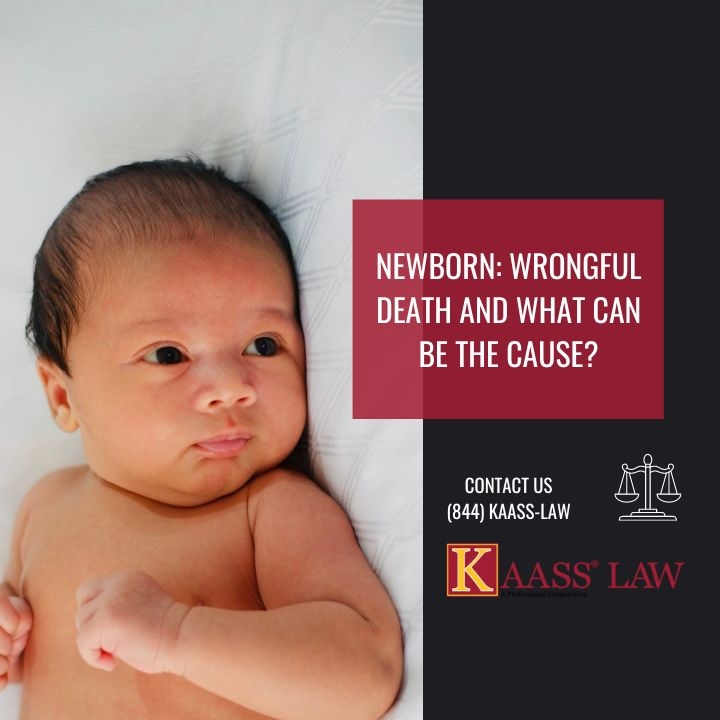
The newborn involved in a fatal accident is a devastating and tragic event that no parent should ever have to endure. Unfortunately, it is a reality that happens all too often, and neglect, abuse, or even intentional harm cause it. In this blog post, we will explore the issue of wrongful death in babies. As well as, the causes, the legal ramifications, and the steps that can be taken to prevent it.
Causes of Newborn Involved in a Fatal Accident
There are many different causes of a newborn being involved in a fatal accident, but some of the most common include neglect, abuse, and intentional harm. Neglect can occur when a parent or caregiver fails to provide the baby with the necessities of life. Abuse can occur when a parent or caregiver physically, emotionally, or sexually harms a baby. Intentional harm can occur when a parent or caregiver deliberately harms or kills a baby.
Neglect
Neglect is the most common form of abuse of babies, and it can take many forms. For example, a parent or caregiver may fail to provide the baby with proper nutrition, fail to take the baby to the doctor when they are sick, or fail to protect the baby from hazardous situations. Neglect can be just as dangerous as physical abuse, and it can lead to serious health problems and even death.
The term "animals causing death" is used when an animal's actions directly cause a person to die. However, the victim's family may be entitled to file a wrongful death claim against the animal's owner or caretaker.
Understanding Liability
Understanding the responsibility of animals who cause death is crucial in the field of legal jurisprudence. When a human life is tragically lost as a result of an animal's conduct, this intricate and constantly developing area of law wrestles with issues of duty and accountability. To establish liability and guarantee that justice is done, courts and legislatures must carefully analyze elements including the owner's carelessness, the animal's predisposition for violence, and the circumstances surrounding the tragedy. The legal framework surrounding this issue is still essential for protecting both human lives and the welfare of animals as society continues to interact with them in a variety of ways.
Proving Liability
To prove liability in a wrongful death caused by an animal's case, the victim's family must show that the animal had a dangerous propensity and that the owner or custodian knew or should have known about it. In other words, the family must show that the animal had a history of aggressive behavior and that the owner or custodian was aware of this behavior.
While going to the gym to workout more is a common goal most of us share, what we don’t usually consider is getting injured at the gym. This might be because we are already in enough pain as it is while doing a workout, but either way, things can do wrong and knowing what your legal options are in such a situation is critical. Fitness center injuries are usually the result of negligence from trainers, gym owners and operators, third party contractors and inspectors, or even other gym members. Regardless of who is at fault, under California personal injury law, anyone injured in a fitness center can file a personal injury lawsuit against the responsible party. If you are a member of a gym, you can even file a product defect lawsuit against an equipment manufacturer for injuries sustained in a workout while using the defective or faulty equipment. The truth is that if you were injured in a fitness center you are very likely to be able to recover monetary compensation for the injuries you suffered.
But Not Everything Has to
You can file a lawsuit for compensation through a personal injury lawsuit. For gym-related accidents and injuries, you can recover damages for the following:
Lost time at work
Medical bills and treatments
Pain and suffering
Property damage
Punitive damage
Immediately following an accident at a gym, you may not be able to figure out the exact cause of the incident or who is the most responsible for your injury, however, it is important to bear in mind that there may be multiple causes which led to the accident. Some of these may not be clear to you at the time the injury occurs and thus it may require an investigation to find out who was responsible so you can get compensated for your injury. Some of the most common causes for gym related injuries tend to be:
Closing on a house is the final step before the house legally becomes the buyer’s. The process involves the buyer signing off on the deal and transferring the last of the funds to the seller. At the end of close, the deed will be recorded, and the home will then become the buyer’s.
When Does Escrow Close?
In California, an escrow in California is officially closed the day the Grand Deed is recorded in the official records at the County Recorder’s office. When the deed is date-stamped by the County Clerk, Property ownership transfers from the seller to the buyer.
Seller’s Responsibilities During Closing
Sellers have obligations to fulfill under the sales contract of selling their home. Some seller's requirements include:
Remove all possessions from the property such as furniture and appliances that are not specified to stay under the contract.
Make any repairs agreed to make, such as fixing the roof, the windows, or floors.
Clean the home right before the closing date.
Sellers Can Do but Not Obligated to Do
Sellers can also consider doing the following, though not obligated to do so:
Notify subscription services, creditors, and acquaintances of seller’s new address and set up mail forwarding.
Collect any manuals and warranties had for items in the home, such as the HVAC system and any appliances that will be left behind. These should be left on the kitchen counter for the buyer, along with any spare keys and garage door openers.
Shut off water valves to prevent any leaks between the time the buyer takes possession and the time they actually move in.
Under California law, an injured patient can pursue a medical malpractice claim in California against doctors, physicians, or other health care providers due to negligence.
Elements of a Medical Malpractice Claim in California
The claimant must be able to establish the following elements to have a successful case:
There was a patient-doctor relationship
The doctor owed a standard of care to the patient
The doctor violated that standard of care
The doctor's actions or omissions caused an injury to the patient
As a result of the medical malpractice, the patient suffered
Standard of Care for Medical Malpractice Claims
Standard of care is a term that refers to the accepted practices and procedures that healthcare providers use when treating a patient and it can vary depending on a different number of factors, such as the patient's overall health or age. A standard of care can be shown through gathering testimony from expert witnesses, such as from another doctor who practices at a similar facility and the same type of medicine.
What Can Qualify as a Medical Malpractice in California?
In California, domestic violence is addressed in the following ways:
As a crime via Penal Code section 273.5
As a family law offense via California Family Code section 6200 as well as the California Domestic Violence Prevention Act
As a civil tort via California Civil Code section 1708.6
Can an Individual Be Liable for the Tort of Domestic Violence?
Yes, as mentioned previously, an individual can be liable for the tort of domestic violence. Per Civil Code section 1708.6, an individual can be held liable for the tort of domestic violence if the plaintiff proves the following:
The plaintiff suffered injury as a result of the abuse;
The abuse was inflicted on the plaintiff by the plaintiff’s spouse, former spouse, cohabitant, former cohabitant, a person with whom the plaintiff has had a child or a person to who the plaintiff is currently dating or has previously been engaged.
The defendant manufactured, distributed, and sold the product
Plaintiff was harmed
The defendant manufactured, distributed, and sold the product
2. Was the Product Manufactured with an Error?
According to CACI 1202 product contains a manufacturing defect in case it differs from the manufacturer’s design or specifications or from other typical units of the same product line. A defect in product manufacturing is one that the manufacturer did not intend. This means that it does not matter how careful This is an example of the legal principle known as strict liability. According to the principle of strict liability, the manufacturer has to pay for any injuries if a poorly manufactured product left the manufacturer and caused harm to the consumer when used for its intended purposes due to the defect in manufacturing,
3. Did the Product Feature Provide Inadequate Instructions, or Was it Missing Warning Labels?
The manufacturer is responsible for warning the consumers of reasonably possible dangers inherent to a product. The manufacturer is also required to instruct consumers on how to correctly use the product to ensure safe use and avoid possible dangers. There is a statute of limitations for filing a claim in California for inadequate warnings, which is ]two years from the date on which the plaintiff was hurt.
What Damages can the Injured Party Recover in a Successful Product Liability Lawsuit?
An injured party can recover several types of damages in a successful products liability lawsuit, including:
Recovering Compensatory Damages in Products Liability Cases
This type of damage is intended to cover the material and financial losses related to an injury. This can include:
the cost of medical bills
lost wages due to injury
loss of future earnings due to disability
damage to or replacement of personal property
Recovering Punitive Damages in Products Liability Cases
This damage is intended to punish the company for acting negligently regarding manufacturing, designing, or marketing a product.
If you were injured by a defective product, filing a product liability claim and seeking compensation for your damages is important. Contact KAASS LAW experienced lawyers at (310) 943-1171 for help.
Unmarked or exposed ledges, wall gaps, or holes on the floor
Improperly constructed or secured scaffolding
On construction sites, the potential dangers that cause fall injuries are unavoidable. Construction businesses are responsible for providing proper safety equipment and educating their employees on fall prevention safety. It is common practice to deny employees the training and tools they need to complete their duties effectively, leaving them to bear the costs of another person's negligence.
Struck-By Accidents
In events involving struck-by objects, workers are struck by objects that are falling, rolling, swinging, or flying. A struck-by accident might result in a slight bruise or a life-threatening, even deadly, mishap depending on the nature and size of the object as well as the speed at which it is going when it impacts a worker. The following are some common examples of struck-by accidents:
Heavy equipment or vehicle accidents
High-pressure hoses and pipes that have failed
Suspended weights that are falling
Nuts and bolts flying
Scaffolding, pipes, or lumber that has fallen
Dropped tools
Construction contractors must take reasonable care to avoid being hit by a vehicle. Companies who fail to take necessary precautions to guarantee the safety of their employees may be held accountable for injuries and consequent damages.
Caught-In and Between Accidents
Employees may become stuck, crushed, pinched, or squeezed between two items or components of two objects, resulting in a trapped-between mishap. These incidents also include burying a worker, such as in a collapsing trench or structure. These kinds of accidents can occur when:
Workers are not given enough instruction on how to operate machines and equipment safely.
There is no maintenance or repair of equipment.
Scaffolds are not properly constructed or braced.
The walls are not well supported.
There is inadequate support for trenches and excavation zones.
Heavy machinery is not properly secured or used.
Machinery is not properly secured or guarded when not in use or undergoing repairs.
Construction workers are particularly vulnerable to caught-in and caught-between accidents. These incidents can result in a variety of incapacitating job injuries, such as torn ligaments, muscular tension, and fractured bones. Such accidents can result in severe brain injury, permanent limb impairment, or even death, depending on the severity of the injury.
Electrocution Injuries
Construction workers are routinely exposed to live wires or electricity when working on structures or dwellings. Workers in a range of vocations are required to handle actively energized devices. Any construction site, whether commercial or residential, may expose employees to a variety of electrical risks. The following are examples of common electrical dangers that endanger worker safety:
Underground electrical wires are damaged during excavation by metal tools or equipment
Inadequately insulated overhead electrical cables
Extension cord wires that are either illegal or have an excessive load
A ground fault circuit interrupter is lacking
Wet surroundings
Circuits that lack adequate breakers or fuses
Faulty polarization in electrical wiring (neutral to neutral, hot to hot)
Inadequately grounded electrical equipment
Electrical equipment that plugs into an improperly grounded or insulated wire
Contact a Los Angeles Attorney Today
If you or someone you know was injured, or possibly has a wrongful death case at a construction site on the job, contact our office today at 310.943.1171.
Take pictures of the motor vehicles involved in the accident
Obtain the driver’s identity
Receive insurance information from the driver
Obtain the witness's identity
Victim's Compensation of Damages Caused by the UBER Accident
A victim can be entitled to the damages for:
Medical bills, including prescriptions, surgery, rehabilitation, doctor’s visits, equipment, and devices
Lost wages in case the victim was not able to return to work while recovering
Property damage, such as car damage
Mental anguish
Pain and suffering
Filing an Injury Lawsuit After an Uber Accident
A lawsuit can be the victim’s best bet if the insurance company refuses to approve the claim, fails to extend a fair settlement offer, or if the victim’s injuries are particularly severe.
A Lawsuit Against Uber Drivers
Victims can file a personal injury lawsuit against a negligent Uber driver. In this case, the injured victim must prove that the Uber driver breached the obligation to keep him safe. The amount of recovery will be limited by what the driver can pay.
A Lawsuit Against Third Parties
Accidents aren’t always caused by Uber drivers. Other drivers, motorcyclists, pedestrians, bicyclists, and even companies responsible for defective products can cause an accident on the road. In California, a victim can recover compensation from anyone who contributed to his injury.
A Lawsuit Against Uber
Recovering compensation from Uber through a personal injury lawsuit can be problematic because the Company has fought to ensure that the drivers are independent contractors rather than employees. As drivers aren’t Uber’s employees, it is more difficult to hold Uber personally liable for drivers’ negligence.
Los Angeles Uber Accident Lawyer
If you or a loved one has was injured in an Uber accident, we invite you to contact our Los Angeles Uber accident lawyer at (310) 943-1171 today for a free consultation.
Abuse can occur in many different forms, and it can be physical, emotional, or sexual. Physical abuse can include hitting, shaking, or burning a baby. Emotional abuse can include neglecting a baby's emotional needs, such as not providing a baby with love or affection. Sexual abuse can occur when a parent or caregiver sexually assaults a baby. Abuse can cause serious physical and emotional harm and lead to death.
Intentional harm
Intentional harm can take many forms, including murder, manslaughter, or infanticide. It can occur when a parent or caregiver intentionally causes a baby's death, whether through direct actions or failure to act. Intentional harm is a serious crime and can lead to long-term imprisonment.
Legal Ramifications
When a newborn's wrongful death occurs as a result of neglect, abuse, or intentional harm, it is a wrongful death. The legal ramifications of wrongful death can vary depending on the case's specific circumstances. In cases of neglect or abuse, the parent or caregiver may be charged with a crime, such as child abuse or neglect. In cases of intentional harm, the parent or caregiver may be charged with a more serious crime, such as murder or manslaughter.
Prevention
Preventing the newborn involved in a fatal accident is crucial, and several steps can help prevent it. One of the most important steps is to be aware of the signs of neglect, abuse, and intentional harm. Parents and caregivers should also be aware of the risks of certain behaviors, such as shaking or hitting a baby, and they should avoid them.
Education and Support
Education and support are crucial to preventing the wrongful death of a baby. Parents and caregivers should have access to educational resources that teach them how to properly care for a baby and provide proper nutrition, medical care, and emotional support. They should also have access to support services, such as counseling, to help them manage the stress and challenges of parenting.
Who Can File a Lawsuit for a newborn involved in a fatal accident?
A wrongful death lawsuit can be filed by the family members of the deceased baby, typically the grandparents, against the responsible party, which in this case would be the parent who caused the death. In some cases, a legal guardian or representative of the baby's estate may also be able to file a wrongful death lawsuit. It's important to note that each state has different laws regarding who can file a wrongful death lawsuit. It's advisable to consult with a qualified attorney who specializes in wrongful death cases.
Contact Attorney Today!
In conclusion, the wrongful death of a baby is a tragic and devastating event. family members of the deceased baby can take legal action against the responsible party. It's important to consult with a qualified attorney to understand the specific laws and options available in each case. Call us at 310.943.1171 or visit our website for other practices.
In wrongful death cases involving animals, negligence is defined as the failure of the animal's owner or caretaker to take reasonable precautions to ensure the safety of others, which ends in death. Examples of negligent conduct in a wrongful death caused by animal cases include:
Failing to properly secure the animal, such as not keeping it in a secure enclosure or on a leash
Failing to provide adequate food, water, or medical care for the animal
Failing to warn others about an animal's dangerous propensity or history of aggressive behavior
Failing to properly train or supervise the animal.
Failing to properly train or supervise the people in charge of the animal, such as zookeepers or pet-sitters.
The animal owner or custodian will only be liable for negligence if they knew or should have known about the animal's dangerous propensity and failed to take appropriate action. In addition to compensating the victim's family for damages, a finding of negligence in a wrongful death caused by an animal case could also lead to criminal charges against the animal's owner or custodian. An attorney can help you understand your legal rights and options and can help you seek the compensation you deserve.
What are the Possible Damages?
When examining the effects of animals murdering people, it is important to evaluate the potential harms. A wide range of severe consequences, such as psychological distress, money issues, and the irreversible loss of a loved one, may be included in these damages. Punitive damages, meant to deter misbehavior in the future and ensure accountability, may also be granted when carelessness or negligence are present. Furthermore, the impact on the community and society at large when concerns about animal ownership and control are raised cannot be underestimated. A detailed grasp of the potential damages brought on by such awful occurrences is therefore necessary in order to navigate the emotional and legal challenges surrounding them.
Case Examples of Animals Causing Death
Case 1: Pet Dog Attack In one case, a family filed a wrongful death lawsuit against the owner of a pet dog after the dog killed their child. The family was able to prove that the dog had a history of aggressive behavior and that the owner knew about this behavior but failed to take appropriate action. As a result, the owner was held liable for the death, and the family was awarded damages. Case 2: Zoo Animal Attack In another case, an animal killed a visitor in the zoo. Therefore, the visitor's family filed a wrongful death lawsuit against the custodian of the animal, the zoo. They were able to prove that the zoo was negligent in their care of the animal. Therefore, the animal had a dangerous propensity. The zoo was liable for the death, and the family got compensation. Wrongful death caused by animals can have devastating consequences for the victim's family. The family may be able to hold the owner or custodian of the animal liable for the death. Families can make informed decisions about whether to file a lawsuit and seek the compensation they deserve.
Contact Los Angeles Attorney Today
If an animal was the cause of your loved one's death we can help you. You can get the compensation you deserve. In these hard times, our team will assist you with filing your case. Our experienced lawyers are always here for you. Just call us at 310-943-1171 and visit our website for the other practices.
If you experience an injury at the gym, you should first seek medical attention. Even if you feel pretty safe, you should definitely get a formal evaluation from your doctor as it can reveal if any lingering injuries persist. These types of injuries can be tricky since you may not feel much pain after the injury since you were in the middle of a workout, but it is vital to get checked out by a doctor to avoid sustaining any long term injuries. Many gym-related injuries include trauma to the back, spine, neck, or head, as well as muscle tearing or bruising.
You’ll also want to get in touch with someone who saw the accident at the gym, as well as asking the gym to keep the faulty equipment to get it inspected by an expert as well as any footage from cameras in the gym that may have captured the injury. Be sure to take some photos or videos of the area around the accident as well. Rest assured, under California’s negligence laws, negligent parties are liable for any injuries imparted onto someone else as a result of their negligence. To recover compensation, we need to show that the party at fault really was negligent, which usually involves the following elements:
The party at fault owed you a duty of care
The part at fault failed to meet that duty of care due to their negligence
Their negligence was a major factor in causing your injuries
We Have Your Back
Regardless of how bad the accident, we have your back. If you were injured in a fitness center, we invite you to give us a toll free call at (310) 943-1171 to speak to our California personal injury lawyers today. Don’t speak to the insurance company or the gym owners, instead let us deal with the insurance companies so that you are fully compensated for your injuries. We will ensure that the responsible parties are brought to justice and that you receive recompense for the damages you suffered as a result of the injuries.
Make an earnest money deposit into an escrow account, where funds allocated for closing costs will be held by a third party until the closing date. An escrow account is the initial fund that a buyer is asked to put down once a seller accepts the buyer’s offer. It shows not only that the buyer is serious about buying, but that they are also willing to put their money where their mouth is.
Provide any documentation and information requested by the lender in the loan underwriting process.
Obtain homeowners insurance. Many mortgage lenders require evidence of coverage to approve the loan.
Search the title of the property to determine the seller is the owner and no liens or legal liability exist.
Sign all closing documents, including the final mortgage documents.
Pay remaining closing costs after the down payment’s credit to the escrow agent.
Arrange for utilities to be transferred into their name effective on the closing date.
Perform a final walk-through inspection to make sure all required repairs have been made and that the property is clean and damage-free.
Who Can Be Liable for Medical Malpractice in California?
In California, an injured person can bring a medical malpractice case against
Hospitals
Laboratories
Clinics
Doctors
Podiatrists
Physical therapists
Pharmacists
Anesthesiologists
Chiropractors
Nurses
Psychologists
Intent to Sue Notice in Medical Malpractice Lawsuits
A plaintiff must notify a potential medical malpractice defendant, including a doctor or other health care provider, of the plaintiff’s intention to file the lawsuit at least 90 days before the lawsuit is filed. (Cal. Code Civ. Proc. § 364.) The notice must include the legal basis of the claim, the type of loss sustained, and the nature of the injuries suffered. (Id.)
Statute of Limitations for Medical Malpractice Claims in California
In California, a plaintiff has three years after the initial date of the injury to bring a personal injury claim connected to medical malpractice lawsuits. Though in case there is an issue in discovering that something happened, such as an injury that shows no signs of damage to the person's body, there is only 1 year after this plaintiff discovers the harm.
Types of Damages That Can Be Recovered From a Medical Malpractice Claim in California
In California, patients who suffered as a result of medical malpractice can recover the following damages:
Medical bills
Physical and occupational therapy
Home health care
Lost wages
Non-economic damages
California medical malpractice laws may change at any time, so it would be best to get updated information from a Los Angeles medical malpractice attorney.
Los Angeles Medical Malpractice Attorney
If you were harmed due to a healthcare provider's negligence, we invite you to get in touch with our Los Angeles medical malpractice attorney at (310) 943-1171 for a free consultation and case review.
How is Abuse Identified for Purposes of Civil Code section 1708.6?
The definition of abuse used under Civil Code section 1708.6 is actually defined under Penal Code section 13700. As per this Penal Code section, abuse means to intentionally or recklessly cause or attempt to cause bodily injury or place another individual in reasonable apprehension of imminent serious bodily harm o himself or another person.
How to Understand That You are a Victim of Domestic Violence?
Here are some examples of domestic violence:
Stalking
Child abuse
Spousal abuse
Elder abuse
Sexual abuse
Physical threats or intimidation
Physical or verbal harassment Isolating or controlling victims
Penalties and Sentencing for Domestic Violence in California
Depending on the severity of any injuries and the defendant's criminal history, varying penalties may be imposed for convictions under California's domestic violence laws. Even for a first misdemeanor, several counties demand a minimum sentence of 30 days in jail. Additionally, they frequently stipulate that the defendant complete a 52-week domestic abusers course. Moreover, domestic violence conviction in California will remain on your lifelong criminal record. As a result, it could be challenging to obtain employment, pass a background check for any state professional certification, or qualify for other benefits.
What Damages May the Defendant Be Liable for?
The defendant, who is the person causing abuse to the plaintiff, may be liable for both compensatory as well as punitive damages. Additionally, the defendant may also be held to pay reasonable attorney’s fees.
What Are Compensatory Damages?
Compensatory damages are money that is awarded to the plaintiff as a result of the loss plaintiff has suffered due to the negligent or unlawful conduct of another individual.
What Are Punitive Damages?
Punitive damages are money awarded to the plaintiff in addition to compensatory damages. Punitive damages are awarded as a form of punishment to those who engage in bad behavior. Additionally, it serves as an example to discourage others, as well as the defendant, from acting similarly in the future.
What is the Statute of Limitation for Civil Domestic Violence?
According to California Civil Code § 1708.6, the statute of limitations for civil domestic abuse cases is three years from the time the last abusive conduct occurred. If the abuse is still occurring, the plaintiff may be compensated for all earlier abuse committed by the same defendant.
Domestic Violence Attorney
If you or someone you know is facing a violation under Civil Code section 1708.6, contact our experienced attorneys at (31)943-1171 for a consultation.