Bicycle Accident Wrongful Death Lawsuits
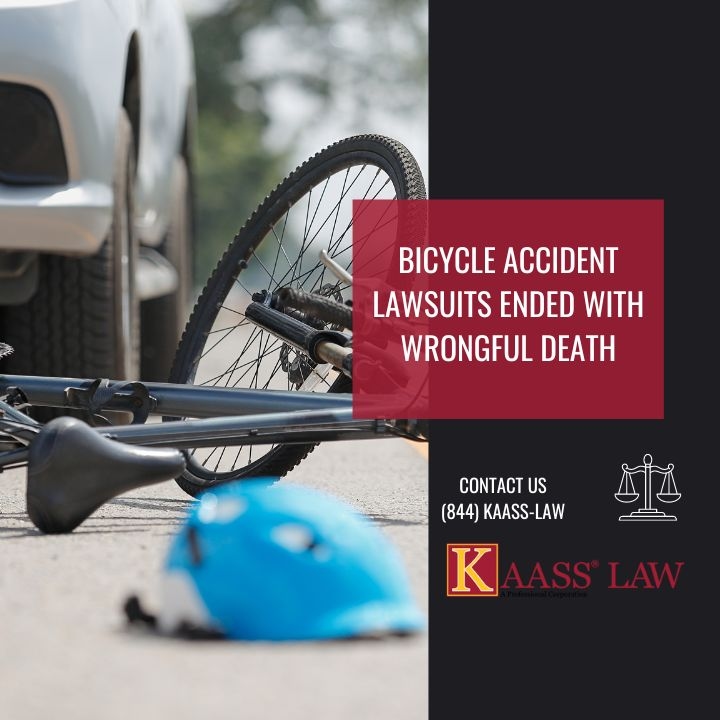
The individual or parties responsible for the bicycle accident may be held financially accountable. Therefore, in California, an accident victim may seek compensation by filing a personal injury lawsuit.
Compensation for a Bicycle Accident
If you got injuries while riding in California, you can receive compensation for:
- Physical harm
- Bicycle damage
- Wage loss
- Medical expenditures.
When a bike accident involves a motor vehicle, you should consult an attorney before dealing with the driver's insurance company. The insurance company will generally want to settle the claim for as low as possible. However, your lawyer will communicate with the insurance company on your behalf.
How Common is a Bicycle Accident in California?
According to the Centers for Disease Control and Prevention (CDC), more than 1,000 bikers were murdered and over 467,000 were injured in the United States in 2015. In 2010, fatal and non-fatal bike accidents cost $10 billion in productivity losses and lifetime medical expenditures. 1 Bicyclist fatalities in the United States increased by 16% between 2010 and 2012. According to the Governors Highway Safety Association (GHSA), California has the greatest number of bicycle deaths. In California, there were 338 bicycle deaths involving motor vehicles between 2010 and 2012.
Risk Factors for a Bicycle Accident
Even skilled bikers can get a bike injury if they ride a bike. Several variables may increase the risk of cycling injury or death for some persons, including:
- Age
- Sex
- Time of the day
- Wearing a helmet.
Sex: Males are six times more likely than females to die and four times more likely to get injuries when riding a bike. Age: Adults aged 50 to 59 have the highest risk of bicycle fatalities. Children and teenagers (5 to 19 years old) had the greatest risk of nonfatal bike accidents. Alcohol: A motorist or rider under the influence of alcohol was in more than one-third of all fatal bike accidents. Time of Day: The great majority of fatal bike incidents happened between 4 and 8 p.m. Helmet Use: While wearing a helmet may not prevent bike accidents, it can help avoid head injuries or brain damage. The absence of a helmet is a key factor in death or serious injury in bike accidents. California is the most populous state in the United States. Urban regions, particularly in Southern California and the Bay Area, enjoy mild year-round temperatures, making riding popular all year. Bike commuters, competitive racers, and recreational bikers are all included. Because of the state's heavy traffic, bicycling is an appealing alternative means of transportation for those who wish to avoid waiting in traffic on their way to work. Many locations in the state's metropolitan districts are constructed around vehicles, leaving bikers vulnerable. All these factors enhance the likelihood of a bike accident in California. It is worth noting that Bicyclists have many of the same rights and responsibilities as drivers of motor vehicles under Vehicle Code 21200.
What Should I do After a Car Hit Me on a Bike in California?
Following a motorcycle collision, the most crucial thing to do is seek medical treatment if necessary. If you are hurt, dial 9-1-1. Many bike accidents result in head, neck, or back injuries. Therefore, doctors should examine these injuries. You may feel good after the crash but awaken the next day in excruciating pain. It is preferable to be safe than sorry and see a doctor to ensure that your injuries are not more serious than they look.
Information You Need for Bicycle Lawsuit
You should try to collect as much information about the accident as possible, including:
- The license plate number of the car
- The characteristics of the car
- The VIN of the car
- The contact details of any witnesses
Your safety is important, and should remain your top priority. Therefore, if the other motorist is refusing to cooperate, is intoxicated, or is attempting to flee the scene, you should just contact the police. The majority of individuals carry their smartphones with them. So it's a good idea to photograph or videotape the accident site and document the car details. Also you should photograph your bike and any injuries as well.
Contact Personal Injury Attorney
Please call KAASS LAW if you have any concerns concerning bike accident lawsuits in California or would want to discuss your case privately with one of our experienced California personal injury attorneys. Also, you can visit our website for other practices.
Related Articles
View All Posts
Learn about common causes of bicycle accidents, potential injuries, liability issues, and legal options available to injured California cyclists.

A Downtown Los Angeles fatal stabbing and vehicle incident raises questions about wrongful death, negligence, and potential civil liability.
What Are California's Clean Car Rules?
Clean Car rules refer to California's vehicle emission standards aimed at reducing air pollution and greenhouse gases. These rules come from the California Air Resources Board (CARB). They require automakers to cut tailpipe emissions and produce zero-emission vehicles like electric or hydrogen-powered cars.
California's program is stricter than federal rules. Over a dozen other states have adopted these standards under Section 177 of the Clean Air Act.
Legal Challenge to Clean Car Standards Gains Traction
Recently, the U.S. Supreme Court allowed a lawsuit against California’s Clean Car rules to move forward. This case was brought by Republican-led states and industry groups. They claim that California's authority to set its own emission rules is unconstitutional.
The main argument revolves around the federal Clean Air Act. It allows California to request a waiver to impose stricter standards. The plaintiffs argue that these waivers create confusion and impose unfair burdens on car manufacturers. Automakers must then meet both federal and California standards.
Supreme Court Declines to Block the Case
The Supreme Court did not rule on the lawsuit’s outcome. Instead, it simply allowed the case to continue in lower courts. This reverses earlier decisions that blocked the case on jurisdictional grounds.
California Attorney General Rob Bonta has promised to defend the rules. Environmental groups also support the Clean Car program, citing public health and climate benefits.
What This Means for Automakers and Consumers
If the challenge succeeds, California might lose its power to enforce stricter emissions rules. Automakers would likely reduce investments in zero-emission vehicles for the California market.
Consumers could see fewer Clean Car options and increased vehicle emissions. If California wins, the state could continue shaping national clean vehicle policy and technology.
Environmental and Health Impacts
Clean Car standards are about more than climate change. They address serious public health concerns. Vehicle emissions worsen smog and trigger asthma and heart conditions, especially in cities.
California suffers from some of the worst air pollution in the U.S. Areas like Los Angeles and the Central Valley are most affected. Clean Car rules aim to reduce the harm caused by millions of vehicles.
To learn more about vehicle pollution and public health, visit the Environmental Defense Fund.
Legal Battle Over State vs. Federal Power
This lawsuit raises big questions about federalism. Should California be able to set stricter rules than the federal government?
The Clean Air Act gives California the right to apply for waivers. That’s because the state has struggled with air pollution for decades.
Opponents argue these waivers give California too much control over national markets. Supporters say they drive innovation and protect public health.
The Trump administration revoked California’s waiver. President Biden later restored it. The back-and-forth has led to legal uncertainty.
Clean Car Standards Drive the Electric Vehicle Future
No matter how this case ends, the shift toward electric vehicles (EVs) is underway. Automakers like Tesla, Ford, and GM are heavily investing in EVs.
Clean Car rules helped build charging infrastructure and encouraged EV adoption. Weakening these rules might slow progress. But market forces and climate goals will likely keep the EV transition moving forward.
KAASS LAW’s Legal Insight
At KAASS LAW, we closely track cases like the Clean Car challenge. Environmental laws affect businesses, consumers, and government entities alike. Our attorneys are ready to help you understand and respond to these legal changes.
Visit our Business Law page to learn how we assist clients with compliance and litigation. We also handle Lawsuits and Litigation in various sectors, including environmental matters.
What Happens Next?
The case returns to lower courts for full litigation. Both sides will present their arguments. A final decision may take years.
Until then, Clean Car standards remain active. Automakers, regulators, and environmental groups will be watching closely. The ruling could reshape national clean air policy.
Conclusion
The Supreme Court’s action allows a high-stakes lawsuit against California’s Clean Car rules to move forward. The outcome will affect state powers, public health, and the auto industry.
Whether you’re a business, consumer, or policymaker, the decisions made in this case could impact you. Contact KAASS LAW to learn how we can help you navigate these evolving legal landscapes.