Penal Code §148(a) Resisting Arrest, Abuse of Power, Police Brutality
Penal Code section 148(a) Resisting Arrest aims to secure the physical wellbeing of officers, and encourages only compelling, legally applicable examinations of civilians. Lamentably, it isn't unprecedented for some officers to abuse this statute by rebuffing people who show any little sign of disobedience towards the officer. This is a serious and recurring issue all throughout California, with some counties and cities experiencing more of this abuse of power than others. For instance, Ventura county law enforcers are infamous for incarcerating civilians if the officer senses even the slightest amount of hesitation from the civilian. In many situations, this results in a gross and negligent abuse of power, originating from misinterpreted ideas of what the Penal Code 148(a) entails.
How the Penal Code 148(a)(1) Can Be Violated
According to Penal Code 148(a)(1), any person who "obstinately" opposes or delays any law enforcement agent is blameworthy of a crime. They must demonstrate the following past a sensible uncertainty:
The officer who was on duty felt that they had reasonable suspicion or probable cause to investigate further.
The defendant stubbornly disobeyed the officer after he/she was given specific rules to follow.
The defendant knew, or should have known, that they were dealing with an officer.
Most importantly, there does not need to be an intention of hurting the officer, a mere demonstration of knowingly resisting an officer is sufficient. As such, a prosecutor does not have to demonstrate that the defendant expected to commit a crime or even to cause any injury to the officer. Taking all of these elements into consideration, it can become murky and difficult to understand where to draw the line between officer aggression and defendant resistance. To help illustrate these, here are just a few examples:
Examples of Penal Code Section 148(a)(1) Violations:
Case of Unlawfully Deferring an Officer: An officer wants to meet with a witness to a crime. The defendant keeps on interfering with the officer's meeting with the witness, even though they were told not to do so. In this case, the officer may have reasonable justification to arrest the defendant for interfering.
Case of Opposing Officer: An officer responds to a house call with alleged abusive behavior. After establishing that the homeowner has harassed his spouse, the officer says to him that he will be taken into custody for further questioning. The homeowner battles frantically to avoid arrest. He is in violation of the Penal Code Section 148(a) and therefore is subject to detainment.
Case of Blocking Officer: Officers capture a criminal suspect and place him inside a police vehicle. The defendant approaches the vehicle and tries to speak with the captured individual. Various officers advise the defendant to step away from the watch vehicle, however he does not comply. The officers are occupied with investigating the scene of the crime and performing other authority obligations as a result of the defendant’s refusal to comply with their legal commands. The defendant as, therefore, interfered and is in violation of the law.
How a Glendale Criminal Defense Lawyer Can Help You Out
There are several avenues of defense that a skilled Glendale criminal defense attorney will utilize in order to defend their client in situations of unlawful arrest. A few examples of these defenses include: the use of excessive force or police brutality, acting in self-defense, or being wrongfully accused of a crime. Which path is best for your particular case is something your lawyer will be able to determine with you. If you feel that you or a loved one have experienced a wrongful accusation of violating Penal Code 148(a), or been the victim of police brutality or misconduct, please give us a call at (310) 943-1171 to speak to a defense attorney specialist, or send us an email with a description of your case at [email protected].
Driving Under the Influence Vehicle Code 23152(a) VC
Vehicle Code 23152(a) VC governs the crime of operating a motor vehicle “under the influence” of alcohol. In California motorists charged with driving under the influence can even be charged with a DUI, the blood alcohol concentration was below 0.08%. It should also be noted that if you have been charges with a DUI, there are two governmental bodies that are generally involved and require hearings; that is the DMV and the Courts. The DMV case is extremely time sensitive, and if not fixed immediately, will result in an automatic suspension of your driver’s license. A Driving under the influence conviction generally can result in costly fines, required attendance at alcohol-education classes, suspension or revocation of your driver’s license, probation, placing an ignition interlock device in your car, and even jail or prison time depending on the facts of the case.
DUI Charges Drivers License Suspension
California DUI charges can result in driver’s license suspensions, sometimes even on a first DUI. Our DUI attorneys in Glendale, CA have the ability to extend your driver’s license privileges and aggressively fight the DMV case to protect your license. It is critical to act quickly so you do not miss the deadline to demand a DMV hearing. If the deadline is missed it is likely that the DMV will automatically suspend your license.
Health and Safety Code § 11357 Possession of Less Than One Ounce of Marijuana
Beginning January 2018, recreational use of marijuana became legal in California, allowing persons 21 years and older to possess up to one ounce, or 28.5 grams of marijuana. The law was a direct result of Proposition 64 the Adult Use of Marijuana Act, which was approved in November of 2017. This new law does not change any statues or regulations pertaining to medicinal marijuana use, nor does it completely legalize marijuana use in every situation. As all laws, there are some strings attached that you should be aware of as a consumer.
Limitations of Marijuana Possession in California
The legalization of marijuana in California does not extend indefinitely, and you can still get incriminated for surpassing its limits. According to California Health and Safety Code § 11357, those limits are as follows:
HS 11357 Possession Offense
Type of Offense
Penalty Incurred
Possession of marijuana and/or concentrated cannabis by individuals under the age of 21
California Vehicle Code 23222(b): Having Marijuana in Your Car
The gradual process of legalizing marijuana in California reached its climax in January of 2018, when marijuana became legalized. Once this new law came into effect, it changed the ways that some laws apply and affect cases surrounding the possession, utilization, and acquisition of marijuana. On the other hand, many procedures and statutes have not changed despite the legalization of marijuana. One such instance is the penalty one may accrue if they are caught with marijuana in their car while driving, which is detailed by the California Vehicle Code 23222(b) Driving In Possession of Marijuana.
The Conditions of the California Vehicle Code 23222(b)
California Vehicle Code 23222(b) maintains that it is illegal to possess marijuana while conducting a vehicle. In order to be charged with this, a law enforcement agent must be able to prove that you were in illegal possession of marijuana while driving. Thus, there are three primary components at play in this code. The keywords here are illegal, possession and driving. If even one of those three things does not apply, then you cannot be charged with violating California Vehicle Code 23222(b). However, it should be noted that just because one of those three elements may not apply, does not mean that you cannot be charged with violating another statute or law. For instance, California Health and Safety Code 11357(b) may still apply to you. Also, if it is determined that you were driving under the influence of marijuana, you can also be charged with a DUI pursuant to California Vehicle Code Section 23152(a)(b).
California Penal Code § 1000 indicates an arrangement commonly known as a pretrial diversion or a deferred entry of judgment, in which a qualifying drug defendant requests to get their case put on hold for a set period of time while the defendant completes a state-approved drug rehabilitation or educational program. Penal Code § 1000 is very important because it enables some defendants to avoid conviction entirely with the deferred entry of judgment, or DEJ for short (this is also referred to as a pretrial diversion).
Pretrial Diversion vs. Deferred Entry of Judgement
Whether DEJ applies for any given case will depend on several factors, such as age, previous criminal history, and the crime in question. For instance, DEJ is more restricted for adults, applying only for certain types of drug offenses. On the other hand, for juveniles, deferred entry of judgment usually applies for most first-time felonies.
An Overview of How Pretrial Diversion Works
First, a defendant asks to complete an approved program in any county in California. The court determines the eligibility of the defendant and, once approved, provides the defendant with a set period of time in which to complete the program. California courts have both . A list of state-approved programs can be found at the courthouse in which the hearing took place. All of these programs will assess the defendant and must ensure a minimum of 20 hours of drug education or rehabilitation. At the end of the program, an assessment report must be provided to the court, detailing the defendant’s progress and successful completion of the program.
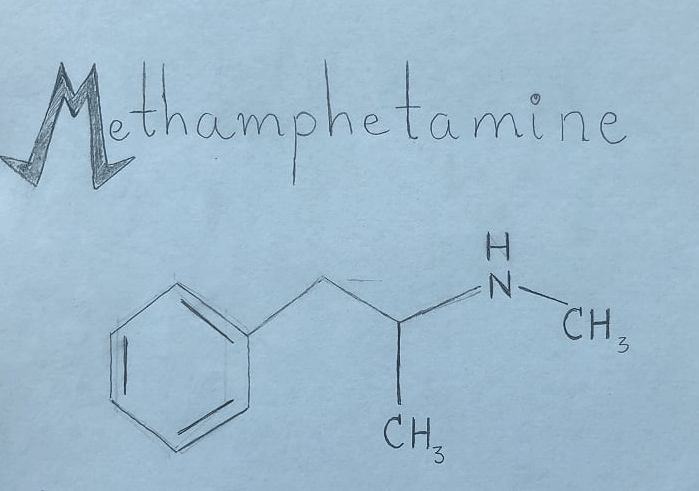
In California, there are many different health and safety codes and statutes in place to protect citizens. Some of these focus on illegal substances, such as methamphetamine, and the consequences one may face for possessing them.
California Health and Safety Code § 11377
Being accused of possessing meth is a serious crime because it is a controlled substance under the California Uniform Controlled Substances Act. Under California Health and Safety Code Section 11377, the mere possession of meth is considered a misdemeanor, which involves a penalty of up to $1,000 and a year in prison. However, these repercussions can be far more severe, depending on how the drug was found and whether or not the prosecutors determined if there was an intent to sell or distribute the drug. Therefore, it stands to reason that you should be aware of the ways in which a prosecutor can prove meth possession. So...
What Does The Prosecutor Have to Prove in a Meth Possession California H&S Code § 11377 Criminal Case?
In order for a prosecutor to convict you of meth possession under Health and Safety Code Section 11377, they must be able to prove or show beyond reasonable doubt that: (1) you had actual possession of the drug in question; (2) you knew the drug was methamphetamine, a controlled substance, and (3) you had possession of usable amounts of the drug, i.e. more than just trace amounts of methamphetamine.
Tips on Defending a California Restraining Order Action
Restraining orders are commonly referred to as "RTO"s. Being served with a restraining order can be stressful, especially if it is a domestic violence restraining order. In California, there are a few different types of restraining orders such as civil harassment, domestic violence restraining orders, restraining orders involving elder abuse, workplace violence, emergency protective orders, and criminal protective orders. Each type of restraining order has various components of which the person who filed the restraining order has the "burden of proof" in order to obtain the restraining order, the duration of the restraining order, and the legal elements required to prove in order to obtain that restraining order. The following tips may help you successfully defend a California restraining order action.
Preparing for a Effective Defense for California RTO Action
The first essential preparation for an effective restraining order defense is to carefully review the allegations made against you order to determine if those allegations do or do not apply to each element required for the particular order of protection being requested.
What You Need to Bring to Court in California Restraining Order Actions
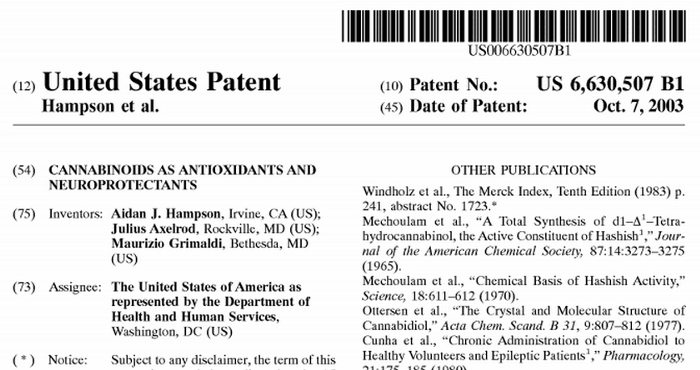
In 2003, patent No. 6630507 was granted to the Department of Health and Human Services. Cannabinoids have been found to have antioxidant properties. Patent No. 6630507 also references 12 other U.S. patents related to cannabis dating back to 1942. U.S. Patent No. 6630507 covers the potential use of non-psychoactive cannabinoids to protect the brain from damage or degeneration caused by certain diseases, such as cirrhosis.
Marijuana Patents U.S. Patent No. 6,630,507
The U.S cannabinoids patent lists the use of certain cannabinoids found in cannabis sativa plants as useful in the treatment of certain neurodegenerative diseases such as Parkinson’s, Alzheimer’s, and HIV dementia. The cannabinoids are found to have particular application as neuroprotectants, which is any substance that helps to shield nerve cells from damage or death. As such, said cannabinoids aid in limiting neurological damage following ischemic insults, such as stroke and trauma, or in the treatment of neurodegenerative diseases Moreover, this newly discovered property makes cannabinoids useful in the treatment and prophylaxis of wide variety of oxidation associated diseases, such as age-related, ischemic, inflammatory, and autoimmune diseases. One particular disclosed class of cannabinoids useful as neuroprotective antioxidants is formula (I) wherein the R group is independently selected from the group consisting of H, CH, and COCH.
In California, anyone who owns property has a legal obligation to keep it safe from hazards. When determining who is liable in a premises liability or slip and fall case, the plaintiff must show that the defendant(s) had ownership, possession, and control of the premises. The individual(s) who owns, possesses, or controls the premises is the one responsible for any injuries arising from a hazardous or dangerous condition of the premises. Therefore, without the crucial element of "control over the premises", no duty to exercise reasonable care to prevent injury on the property can be found.
What is Premises Liability?
In California, the owner, operator, and/or lessor of property owe a duty to visitors to ensure that the property is in a reasonably safe condition. Furthermore, another crucial element in premises liability cases is the element of "foreseeability" .The foreseeability of harm is a prerequisite for the recovery of damages. The foreseeability of the danger establishes the duty owed.
What Damages Are Recoverable in California Personal Injury Cases?
There are two types of damages that are recoverable in California personal injury cases, which include special damages and general damages. Special damages are those damages that are financial in nature, such as hospital and medical bills or lost wages. On the other hand, general damages are those that are non-financial losses, including pain and suffering, loss of consortium, and emotional distress.
First Time DUI Conviction in California
If convicted of a DUI in Court, while the driver would have full driving privileges, the DMV will require the installation of an ignition interlock device, which is the breathalyzer device for several month period. Typically, probation is for three years and is also known as "informal" or "summary probation" on a first time DUI offense. Summary probation means that it is “non-reporting probation".
Immigration Consequences of a DUI Conviction
A criminal conviction in California, even for a first time DUI offense can have negative consequences on immigration status. For instance, a DUI offense can trigger deportation requirements and other immigration difficulties. Winning your case instead of being convicted can often mean staying in the United States instead of being deported. Therefore, hiring an experience Glendale DUI defense lawyer may mean the difference of keeping your immigration status or suffer adverse consequences. Our goal in DUI cases is to first attempt to seek a dismissal. If that does not work, we seek to reduce charges and all punishment.
DUI Attorney in Glendale
It is imperative that you hire the best Los Angeles DUI attorney to ensure you get the best possible defense. Our Glendale criminal defense lawyers have handled numerous cases. If you have been accused of a DUI, contact one of our Glendale DUI attorneys at (310) 943-1171. It is important to have a defense attorney that you can trust. It is imperative not to speak with investigative authorities without seeking legal counsel first in these situations.
KAASS LAW is authorized to practice law in California. The above content is intended for California residents only. This content provides only general information which may or may not reflect current legal developments. KAASS LAW expressly disclaims all liability in respect to actions taken or not taken based on any of the contents of this website. The above content DOES NOT create an attorney-client relationship. KAASS LAW does not represent you unless you have expressly retained KAASS LAW in person at the KAASS LAW office. KAASS LAW helps clients in: Los Angeles, Burbank, Hollywood, Glendale, Van Nuys, North Hollywood, Studio City, Highland Park, Eagle Rock, Sunland, Tujunga, Sylmar, San Bernardino, La Crescenta, La Canada, Beverly Hills, Westwood, Santa Monica, Brentwood. Pacoima, Montebello, Commerce, Alhambra, Downey, Bell, Maywood, Walnut Park, Vernon, Lynwood, Echo Park, Silverlake, Mission Hills, Northridge, Woodland Hills, Encino, Canoga Park, North Hills, Porter Ranch, Chatsworth, Reseda.
Drug counseling and community service hours for minors and a fine of $100 for those 18 and older
Owning more than 28.5 grams of marijuana and/or more than 8 grams of concentrated cannabis for minors (under 18 years of age)
Infraction
Drug counseling and community service hours
Having marijuana and/or concentrated cannabis in a K-12 institution while a minor (under 18 years of age)
Infraction
Drug counseling and community service hours
Owning more than 28.5 grams of marijuana and/or more than 8 grams of concentrated cannabis (18 years of age and up)
Misdemeanor
A maximum sentence of 6 months in county jail as well as a $500 fee
Having marijuana and/or concentrated cannabis in a K-12 institution (18 years of age and up)
Misdemeanor
Up to a $250 fee for the first offense, with subsequent offenses incurring additional penalties
Possession of Marijuana Health and Safety Code 11357
Possession of more than 28.5 grams of marijuana or more than 8 grams of concentrated cannabis (hashish) is still illegal under California’s Health and Safety Code 11357. The above chart summarizes the consequences one may face for having excessive amounts of marijuana. Typically, for adults these consequences are deemed misdemeanors and will usually result in a fine of no more than $500 and/or 6 months in county jail, while for minors the crime is merely an infraction and the penalties are to attend drug counseling sessions and community service hours.
Possession of Marijuana on School Grounds in California
Having marijuana on school grounds is also illegal: for adults it is a misdemeanor and for minors it is an infraction. The penalties for minors who commit this crime are identical to the penalties that a minor may face if they possess excessive amounts of marijuana. For adults, it will usually result in a $250 fee for the first offense. Bear in mind that possessing any amount of marijuana at all as a minor is still illegal even in California, and the consequences range from paying a fine to facing drug education or counseling programs and community service.
How An Los Angeles Marijuana Defense Attorney Can Help
There are several legal defenses that a skilled Los Angeles marijuana defense attorney can provide in cases that involve charges of illegal marijuana possession in California. These defenses include:
-You didn’t own the marijuana in question
If you did not own the marijuana, then you are not guilty of a crime. This can apply if, for instance, the police accused you of having marijuana that did not belong to you. You can potentially argue that the marijuana belonged to a friend whose clothes or bag you were borrowing, or that someone slipped the drug into your belongings in order to evade their own sentencing.
-You were not aware that you had any marijuana
Likewise, if you were not aware of having any marijuana, then you have not violated the law. This is because mere possession of marijuana is not sufficient in and of itself to warrant a conviction. The prosecutor does need to demonstrate that you were aware of your dominion over the drug, otherwise you are entitled to an acquittal. Going along with the previous examples, if an acquaintance leaves their marijuana in your bag without your knowledge or understanding, then you are not guilty of violating the law.
-The marijuana in question was procured in an illegal search or seizure
Many times, California drug crimes and accusations come out of illegally obtained evidence as a result of them coming from an unsanctioned search or seizure. There are laws in place to protect your belongings and private property and if the authorities do not expressly follow those laws, then any evidence they may discover is not valid in a court of law. Quite often, police violate California’s search and seizure laws when they obtain evidence or drugs by performing a search without a valid California search warrant, when they issue a search or initiate a stop without proper motive or suspicion, or when they search somewhere that is beyond the scope of the warrant or suspected person. In such scenarios, an aware attorney can file a Penal Code 1538.5 PC motion to suppress illegally obtained evidence, which will likely result in a dismissal or significant reduction to the original charges.
If you or someone you know is accused of violating California Health and Safety Code 11357 or California Vehicle Code 23222(b) illegal to possess marijuana while driving a vehicle we welcome you to give us a call at (310) 943-1171 to speak to a defense attorney for a free consultation.
KAASS LAW is authorized to practice law in California. The above content is intended for California residents only. This content provides only general information which may or may not reflect current legal developments. KAASS LAW expressly disclaims all liability in respect to actions taken or not taken based on any of the contents of this website. The above content DOES NOT create an attorney-client relationship. Our Los Angeles litigation lawyers do not represent you unless you have expressly retained KAASS LAW in person at our office.
An experienced Glendale marijuana lawyer will understand that there are several powerful avenues that may be explored in order to demonstrate your innocence before the law. Some of those possible options are:
Showing that the marijuana does not belong to you.
Since being able to prove possession is one of the three key elements that a prosecutor will need to argue, by casting doubt as to the ownership of the marijuana in question, an attorney can potentially attack the prosecutor’s claim by debunking it entirely.
The discovery of the marijuana was illegal.
There is a legal principle called “The Fruit of the Poisonous Tree” which posits that unlawfully obtained evidence is not eligible for use against someone in a court of law. For this reason, police officers must adhere to a strict set of rules regarding when they are able to stop and ask to search your property. Any violation of those rules is a violation of your constitutional rights, which your lawyer can use to get certain pieces of evidence thrown out altogether.
You had authorization to carry the marijuana because of medical reasons.
Marijuana that was prescribed to you for medical use by your physician is not subject to this statute because there is another underlying cause for you to have possessed the marijuana. For instance, you may have just picked up the marijuana from the pharmacy and may have been pulled over on your way home. In such a situation, you would have violated no law. However, if the marijuana was opened and if there was evidence found that you had used it while driving back home, then you may still be subject to a DUI pursuant to California Vehicle Code Section 23152(a)(b).
The consequences of being convicted of violating California Vehicle Code Section 23222(b) include a fee of up to $100 plus court costs. We can help you avoid all of those. Give us a toll free call today to speak to one of our attorneys at (310) 943-1171 or email us at [email protected]
KAASS LAW is authorized to practice law in California. The above content is intended for California residents only. This content provides only general information which may or may not reflect current legal developments. KAASS LAW expressly disclaims all liability in respect to actions taken or not taken based on any of the contents of this website. The above content DOES NOT create an attorney-client relationship. KAASS LAW does not represent you unless you have expressly retained KAASS LAW in person at the KAASS LAW office. KAASS LAW helps clients in: Los Angeles, Burbank, Hollywood, Glendale, Van Nuys, North Hollywood, Studio City, Highland Park, Eagle Rock, Sunland, Tujunga, Sylmar, San Bernardino, La Crescenta, La Canada, Beverly Hills, Westwood, Santa Monica, Brentwood. Pacoima, Montebello, Commerce, Alhambra, Downey, Bell, Maywood, Walnut Park, Vernon, Lynwood, Echo Park, Silverlake, Mission Hills, Northridge, Woodland Hills, Encino, Canoga Park, North Hills, Porter Ranch, Chatsworth, Reseda.
Upon finishing the DEJ program, the court has an obligation to dismiss the drug charges against you. As such, the benefits of completing the program are that:
You can lawfully and honestly say on an application for employment, school, housing, credit, or any other inquiry that you have not been convicted of that charge
There will not be a conviction in your record that can be used against you in most cases. However, if you apply for government employment like a peace officer or like, you may be required to disclose.
Failing to Successfully Finish the DEJ Program
Throughout your participation in the court-sanctioned program, the court may determine that your efforts or participation are not satisfactory, or that some other issue has come up. Any of these may disqualify your eligibility for the diversion program. Some of these reasons can include:
You have not attended the drug program
Your participation was unsatisfactory
You are not benefitting or showing improvements from the program
You have gotten convicted of a felony while on the program
You became convicted of a misdemeanor that shows a tendency for violence (i.e., assault, domestic violence charges, etc.)
You participated in some other criminal activity that disqualified as per the judge’s discretion
Basically, a defendant can be removed from the DEJ program if at any point they fail to complete the program satisfactorily or if they get convicted of a felony or a misdemeanor involving violence. In that case, the defendant will get dropped from the program and sentenced per the underlying charge(s).
What Cases Qualify for Pretrial Diversion Per Penal Code § 1000?
There are two factors that are responsible for determining your eligibility for a DEJ. The first is the type of drug offense itself and the second is your previous criminal history.
Drug Offenses
According to California Penal Code § 1000, some drug offenses are eligible for deferred entry of judgment. Most often, these are:
Business & Professions Code § 4060—Possession of a Controlled Substance
Health and Safety Code § 11350 and § 11377— Personal Possession of a Controlled Substance
*A ‘controlled substance’ refers most commonly to such drugs as Cocaine, Marijuana, Heroin, Methamphetamines, Ketamine, Ecstasy, Vicodin, Codeine, and GHB.
Criminal History Plays a Key Factor in Eligibility of DEJ Program
Your prior criminal history is the other major factor used to determine whether your case is eligible for a DEJ. The conditions are:
You do not have any previous drug-related convictions
The drug offense in question is only possession-related and doesn’t include the selling of a controlled substance
The offense must be non-violent
You have no other convictions for a felony within 5 years of committing the drug offense in question
You have no past history of parole or probation violations
You have not already participated in another DEJ or pretrial diversion program within the last 5 years
The Steps Needed to Get a Pretrial Diversion
You should know that there are some strings attached with the deferred entry of judgment. It does require the defendant to plead guilty, with the condition that the court does not enter judgment. Thus, the final sentencing, or conviction, is never finalized. The case is therefore left in a limbo period, or deferment. During this period, the defendant must then successfully complete the appropriate, state-approved program. The court will look over the details of the case again and if everything was correctly done, the charge against the defendant will be dismissed.
Los Angeles Deferred Entry of Judgement Lawyer
The details surrounding the deferred entry of judgment can get complicated and murky. We can help you to assess if a pretrial diversion or a DEJ is possible given the details of your case. To speak to an Glendale criminal defense attorney, please call our firm at (310) 943-1171 or email us at [email protected].
KAASS LAW is authorized to practice law in California. The above content is intended for California residents only. This content provides only general information which may or may not reflect current legal developments. KAASS LAW expressly disclaims all liability in respect to actions taken or not taken based on any of the contents of this website. The above content DOES NOT create an attorney-client relationship. KAASS LAW does not represent you unless you have expressly retained KAASS LAW in person at the KAASS LAW office. KAASS LAW helps clients in: Los Angeles, Burbank, Hollywood, Glendale, Van Nuys, North Hollywood, Studio City, Highland Park, Eagle Rock, Sunland, Tujunga, Sylmar, San Bernardino, La Crescenta, La Canada, Beverly Hills, Westwood, Santa Monica, Brentwood. Pacoima, Montebello, Commerce, Alhambra, Downey, Bell, Maywood, Walnut Park, Vernon, Lynwood, Echo Park, Silverlake, Mission Hills, Northridge, Woodland Hills, Encino, Canoga Park, North Hills, Porter Ranch, Chatsworth, Reseda.
What Are The Kinds of Meth Possession You May Be Charged With?
While the burden to prove these things falls on the State, you should be prepared with ample evidence to show otherwise, just in case they do manage to produce sufficient evidence in the courtroom. Bear in mind there are two different kinds of possession for which you may be convicted. The first kind is actual possession, which entails that the authorities discovered the drug on your person, meaning in your pocket, clothes, or bag. The second kind is constructive possession, which simply means that the authorities found the drug in a place that you have access to, such as your house, car, or office. If you did not expressly admit to having knowledge of the illegal substance of methamphetamine being in your possession, the prosecutor will have to meticulously prove that through evidence. Evidence can include the way you behaved or reacted during the search or arrest process. As an example, if you attempted to hide or get rid of the drug, then they could reasonably assume that you had knowledge of the drug and its illegality. However, assumptions can work against the prosecutor as well.
How Can You Protect Yourself Against Methamphetamine Possession Charges?
One of the first things your lawyer will do is to determine whether the police encounter that led up to the discovery of the meth was legal. In other words, the prosecutor cannot use evidence against you in a court of law if it was obtained illegally. Remember that the police must adhere to strict laws which are upheld by the United States Constitution, including when they stop and search vehicles, when they enter into private property, and even when they arrest or detain someone on suspicion of illegal substance possession. Should a law enforcement agent knowingly, or inadvertently, violate the suspect’s constitutional rights, then your lawyer can request to suppress the evidence being presented against you.
Possession of Methamphetamine Defense Lawyers in California
There are many different avenues and possibilities that a lawyer can explore with you in order to best gauge what your next optimal move will be. Getting charged with possession of a controlled substance may seem overwhelming and getting out of that situation even more so, but we will guide you through the criminal justice process and get you the best possible result. We invite you to give KAASS Law a toll free call at (310) 943-1171 to have a free consultation with our skilled defense attorneys.
If you are defending against a restraining order, you have to keep in mind that the court doesn't have all day to listen to your case and thus you must be prepared when you come into court. First, it is important that you prepare your evidence and bring them with you to court. You may bring declarations from other people that have personal knowledge of the facts that surround that basis of your restraining order, your own declaration, along with any photographs, videos, text messages, emails, or any other piece of evidence you intend to show to the court.
Criminal Case is Pending in Conjunction with RTO: Preserve Your Constitutional Right Against Self-Incrimination
If you are also facing criminal charges which stem from the matter of which is the basis for the restraining order, keep in mind of your Fifth Amendment right against self-incrimination. This means, if you testify during a restraining order trial, your testimony may and most likely will be used against you in the pending criminal case. Therefore, being mindful of the statements you make during court is very important. The prosecutors can request the transcript of your testimony from the restraining order hearing from the court, which may aid them in building their case against you in the pending criminal case. If you are in a situation where you face both criminal charges and a restraining order action, it is imperative that you seek legal help in order to insure the best possible outcome, as these types of criminal matters become extremely tricky.
Restraining Order Proof of Service
Keep in mind that if the person that intends to file a restraining order against you, they are further legally obligated to have you personally served with the restraining order.
Hire a Los Angeles Restraining Order Attorney
It is always wise to consult with an experienced local attorney who has vast experience in defending against restraining orders to discuss your various options. In order to ensure you have the best possible outcome and an effective defense is to have an experienced restraining order lawyerhandle your case for you. Your restraining order lawyer will prepare a solid defense and attempt to persuade the court that the allegations asserted by the other party do not fit the definition of abuse.
Defending Yourself in RTO Case When Other Side Represented By Attorney
Often times, defendants are not properly prepared for these type of hearings and almost immediately make damaging admissions that necessitate a restraining order be issued, even if the admitted activity was in fact innocent. Defending yourself against a restraining order can be difficult if all that you have are the statements made by the victim against your own word where there are no pictures or witnesses to support your side of the story. Further, if the person who filed the restraining order against you is represented by an attorney, it is even more imperative for you consider hiring a restraining order attorney immediately, as opposed to defending yourself If you were served with an restraining order or temporary restraining order, our knowledgeable restraining order attorney in Los Angeles, CA with KAASS LAW can help defend you. We are highly dedicating to serving the needs of all our clients. Call us at (310) 943-1171, 24 hours a day, 7 days a week for a free consultation tailored to the specifics of your case, our attorneys speak English, French, Spanish, Russian, Armenian, and Italian. You may also get directions to our law firm on Google Maps fast and easy.
First U.S. Marijuana Strain Patent Granted: Patent No. 9,095,554
Recently, legal-marijuana pioneers have experienced a rising concern in retaining a marijuana intellectual property lawyer in order to protect their creations from imitators, as well as from multinational corporations in the agriculture, tobacco and pharmaceutical industries that appear to be keeping a close eye on the fast-growing marijuana industry from the sidelines. For instance, in 2013 the first marijuana strain patent containing significant amounts of THC ever granted, patent No. 9,095,554. Accordingly, the patent provides compositions and methods for the breeding, production, processing and use of specialty cannabis.
Los Angeles Recreational Marijuana Business Lawyers
If you have questions regarding marijuana laws or or are seeking to start a recreational marijuana business in California, we invite you to call our office for a consultation with a Los Angeles recreational marijuana business lawyer today.
If property owner(s) fail to properly maintain the premises and someone suffers injury as a result, they may be liable for damages under premise liability law. As in any other negligence action, the injured person must establish the following: (1) the existence of a duty on the part of the defendant to use due care; (2) a breach of this legal duty; and (3) the breach as the proximate or legal cause of the resulting injury. If you or a loved one suffered damages associated with an accident which occurred on someone else’s property, you may be entitled to compensation for your injuries. We invite you to contact our Glendale personal injury attorneys at (310) 943-1171, for a free consultation.
Common Causes of Slip and Fall Accidents
Common causes of slip and fall accidents occur when property owners fail to exercise reasonable care in preventing slip or fall hazards, such as:
Wet floors
Grease or oil spills
Food debris
Faulty staircases
Loose staircases
Loose carpets
Spilled drinks or liquids
Property owners are legally responsible to inspect the property for any hazard risks and maintain the property in a safe manner. If there are any latent or concealed perils on the land, the possessor is under a duty to exercise ordinary care either to make the condition reasonably safe for those coming onto the land or to give such persons a warning adequate to enable them to avoid injury. Failure to repair or fix a slip hazard, resulting in a preventable invitee or customer injury, is an act of negligence.
Slip and Fall on Governmental Public Property
Premises liability claims against government entities, due to injuries sustained on public property are often very challenging to litigate. Government entities enjoy greater protections against premises liability claims than do ordinary private persons and businesses. In California, to bring a successful premises liability claim against a government entity, one must prove an additional element that does not exist in premises liability claims against private entities - under Government Code section 835, the injured party must prove either: (a) a negligent or wrongful act or omission of an employee of the public entity within the scope of his employment created the dangerous condition; or (b) the public entity had actual or constructive notice of the dangerous condition under Section 835.2 a sufficient time prior to the injury to have taken measures to protect against the dangerous condition. Are you wondering how to prepare for a slip and fall claim? If you were injured due to a slip and fall accident, our knowledgeable Los Angeles personal injury attorneys can help you get the compensation you deserve. Call us at (310) 943-1171, 24 hours a day, 7 days a week for a free consultation tailored to the specifics of your case, our attorneys speak English, French, Spanish, Russian, Armenian, and Italian.
Loss of consortium is a claim for damages suffered by the spouse or children of a person who has been injured or killed as a result of the defendant's negligent or wrongful acts. Generally, claims for loss of consortium are not awarded unless the person injured dies or suffers a severe and enduring injury. The suing party must show that the injured or deceased family member cannot provide his or her spouse or family member with the same love, affection, companionship, comfort, society, or sexual relations that were provided before the accident.
What is a Statute of Limitations?
Statute of limitations is the period of time you have to file a claim or suit. Personal injury cases have a statute of limitations varies depending on the type of case, but generally, the time limit usually starts on the day the accident or injury occurred and can last anywhere from 1 to 2 years. However, in claims involving government tort or injury involving government entity, such as an car accident with a government city vehicle, requires the injured party to first file a claim with the appropriate governmental agency within 6 months from the date of the accident. Finally, depending on the outcome of the claim, the injured party will then have either 6 months or two years to file suit. If you fail to follow the guidelines for the statute of limitations, you may lose your right to file a claim. Thus, it is vital you speak to a Los Angeles personal injury lawyer immediately to preserve your claim! Our lawyers in Glendale, Los Angeles, California, will be happy to help you through every step of your personal injury case.
Contact Us!
Our personal injury attorneys specialize in various personal injury matters including complex personal injury cases, government torts specifically related to auto accidents, motorcycle accidents, left turn motorcycle accidents, truck accident, multi-car accidents, which involve a government vehicle such as Metro Bus, fire truck, U.S Postal Service, and Water & Power Truck. If you have been in an accident involving an Government vehicle, give our office a call at (310) 943-1171 for a free consultation! This content is for educational purposes only. KAASS LAW is authorized to practice law in California. The above content is for California residents only. This content provides only general information, which may or may not reflect current legal developments. KAASS LAW expressly disclaims all liability in respect to actions taken or not taken based on any of the contents of this website. The above content DOES NOT create an attorney-client relationship. KAASS LAW does not represent you unless you have expressly retained KAASS LAW in person at the KAASS LAW office. KAASS LAW helps clients in: Los Angeles, Burbank, Hollywood, Glendale, Van Nuys, North Hollywood, Studio City, Highland Park, Eagle Rock, Sunland, Tujunga, Sylmar, La Crescenta, La Canada, Beverly Hills, Westwood, Santa Monica, Brentwood. Pacoima, Montebello, Commerce, Alhambra, Downey, Bell, Maywood, Walnut Park, Vernon, Lynwood, Echo Park, Silverlake, Mission Hills, Northridge, North Hills, Porter Ranch, Chatsworth, Reseda, San Diego, La Jolla, El Cajon, Chula Visa, Del Mar