Effective January 1, 2018, new California marijuana laws to roll out. California will starts accepting online applications for temporary business permits for marijuana business owners. The Bureau of Cannabis Control's online application system will open in December and that the BCC will begin emailing temporary licenses to retailers before the new year. The licenses will become valid on Jan. 1. By New Year’s Day, marijuana/cannabis business owners should be receiving an email from the state regarding the approval of the temporary marijuana business permits. Temporary marijuana business permits will be good for four (4) months. The purpose of giving business owners 4 months, is to give marijuana shop owners time to complete all other additional information needed to receive permanent licenses. Once approved, you will be able to immediately start selling cannabis to adult 21 and over with an valid ID. Prop 64 further opens the door for local governments to permit marijuana consumption at retailers and companies with a micro-business license, which combines a small cultivation site, distribution and retail.
California Quality Control Regulations for Pot
California law imposes quality control regulations for pot, which requires new testing procedures. For instance, prior to distributing marijuana products, cannabis distributors will be required to test samples for possible pesticides residue, and bacteria. Products must also be labeled with the weight, THC, and CBD content.
California Cannabis Sales Tax Effective January 2018
California cannabis sales tax taking effect January 2018. A 15% levy on all cannabis sales will be added on cannabis and medical marijuana products. Local governments are also adding taxes for sellers and growers which potentially could result in a 70% increase in the price of a small bag of good quality marijuana.
Specific California Marijuana Regulations Effective January 1, 2018
Some specific California marijuana regulations to go into effect January 1, 2018 including the following:
Edible cannabis products must be produced with no more than 10 milligrams of THC serving size
Edible cannabis products may not be more than 100 milligrams of THC for the total package
Marijuana dispensaries and cannabis shop owners will ONLY be allowed to give free cannabis products to medical marijuana patients or their caregivers
Annual marijuana licenses range from $800 for businesses that transport/deliver cannabis, while marijuana business shop owners who are engaging in multiple activities and earning more than $4.5 million a year the price for annual marijuana license can be up to $120,000
Applications for special license to host cannabis events, such as festivals at fairgrounds.
Marijuana businesses will only be allowed to advertise, however, limits the advertising ads in areas where at least 71.6 percent of the audience “is reasonably expected to be 21 years of age or older.”
Restrictions Under California Proposition 64?
Some restriction under California Prop 64 effective January 1, 2018 include:
Adults 21 and older to use marijuana
May possess up to 28.5 grams of marijuana
May grow up to six plants at their private home locked and not visible to the public.
If you have questions regarding marijuana laws or or are seeking to start a recreational marijuana business in California, or how to obtain a marijuana license, KAASS LAW invites you to contact our Los Angeles marijuana business attorneys for a consultation.
KAASS LAW is authorized to practice law in California. The above content is intended for California residents only. This content provides only general information which may or may not reflect current legal developments. KAASS LAW expressly disclaims all liability in respect to actions taken or not taken based on any of the contents of this website. The above content DOES NOT create an attorney-client relationship. KAASS LAW does not represent you unless you have expressly retained KAASS LAW in person at the KAASS LAW office. KAASS LAW criminal defense attorneys helps represent clients in Los Angeles, Burbank, Hollywood, Glendale, Van Nuys, North Hollywood, Studio City, Highland Park, Eagle Rock, Sunland, Tujunga, Sylmar, San Bernardino, La Crescenta, La Canada, Beverly Hills, Westwood, Santa Monica, Brentwood. Pacoima, Montebello, Commerce, Alhambra, Downey, Bell, Maywood, Walnut Park, Vernon, Lynwood, Echo Park, Silverlake, Mission Hills, Northridge, Woodland Hills, Encino, Canoga Park, North Hills, Porter Ranch, Chatsworth, Reseda.
Contact a Los Angeles Marijuana Business Attorney Today!
Factors To Consider Before Buying a Existing Business in Los Angeles
Before you decide to buy an existing business, rather than starting your own business there are a few facts you may want to consider. While, buying an existing business may provide many advantage, its important to do your research and consider consulting with a Glendale business attorney prior to signing any agreements to ensure you have covered all areas to decrease the probability of any issues presenting itself in the future. In determining whether or not to buy an existing or established business consider some important factors such as valuation of the business, negotiating the business purchase, purchase agreement, and do your due diligence.
Importance of Receiving Accurate Business Valuation
Its important to first determine the value of the business you wish to buy so that you don't end up over paying for it. There are a handful of methods for evaluating businesses, thus it important to understand which method the business owner used when it computed its business value. It is important that you determine or receive information regarding the actual, taxable “profits” or “losses” for the business. If you are unsure how business valuation works, it is recommend you speak to a experienced business attorney before entering into a purchase agreement. Our are who have vast experience in determining valuation of businesses and can review and consult you on your business purchase as well as, business valuation. We invite you to contact our office at (310) 943-1171 and schedule a consultation.
Maximize Compensation for Your Motorcycle Accident Spinal Cord Injury
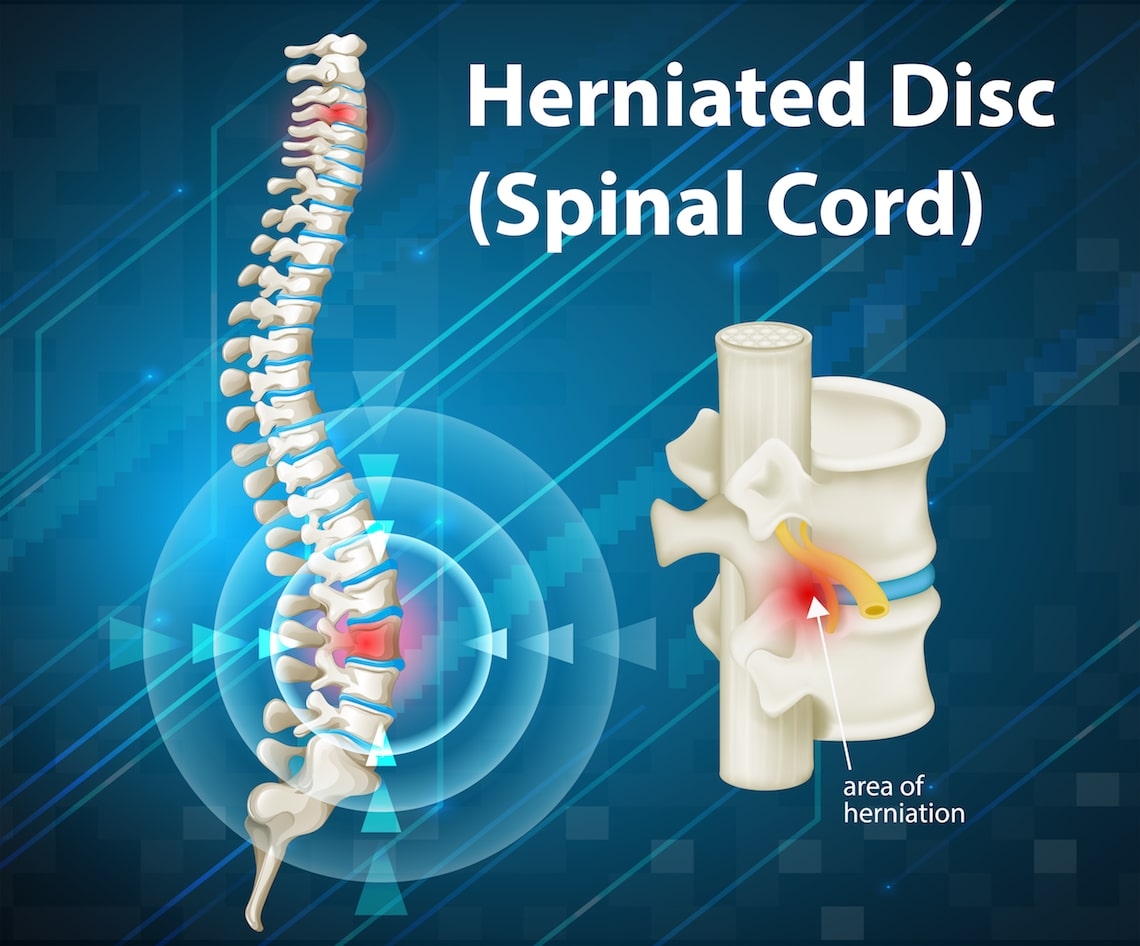
There are many types of spinal cord injuries that may result from a motorcycle accident. Some of those include bulging dicks, sciatic nerve damage, herniated disks, partial or total paralysis. If you have suffered a spinal cord injury due to a motorcycle crash you may require to seek physical therapy, chiropractic care, or other surgical procedures to help with the pain. Medical professionals are able to evaluate the extent of the spinal cord injury and decide if surgery to decompress and stabilize the spinal cord is necessary.
Compensation for Motorcycle Accident Spinal Cord Injury
When you are involved in a motorcycle accident and suffer injury, you are legally entitled to compensation by negligent and responsible parties, or their insurance carriers. We invite you to contact one of our Glendale motorcycle personal injury attorneys and see how we can help you recover from your medical bills and help you get the compensation you deserve. Our Glendale motorcycle accident attorney will review your accident claim, evaluate your case, and consult with you on your options, and connect you with experienced medical professionals to get you the proper care. Please call our office at (310) 943-1171 and speak to an experienced motorcycle accident attorney today.
Brain Hemorrhage Injury Following a Motorcycle Accident
A brain hemorrhage injury following a motorcycle accident may cause a victim to suffer permanent brain damage. Head hemorrhage or head injuries are some of the most devastating injuries that motorcyclists can suffer in an accident. While, wearing a motorcycle helmet can reduce the motorcyclist's risk of sustaining brain damage from impact, it does not give the motorcyclist complete protection. Motorcycle accident injuries can be reduced by wearing protective gear while riding. When a motorcyclist's is involved in an motorcycle accident, he bares the risk of having his brain shaken violently within the skull if his head hits the pavement or an object. If this occurs, this may cause a brain hemorrhage. Brain hemorrhaging can occur when arteries and blood vessels burst and bleed inside or outside the brain. Generally, when a victim in a motorcycle accidents suffersbrain hemorrhage(s) as a result of the accidentthe brain hemorrhage puts pressure on the brain, which reduces blood supply to brain tissues. Often times, brain hemorrhage injuries can be life-threatening and requires immediate medical attention.
Commercial Lease Agreements vs. Residential Lease Agreements California commercial lease agreements and residential lease agreement have a few major differences between them. In California, there are a few legal protections available for commercial leases in comparison to residential lease agreements. For instance:
Consumer Laws: Many consumer laws which apply to residential lease agreements do not apply to commercial leases. California state laws provide less legal protection to business owners against consumer protection against dishonest landlords because it is assumed that business owners are more knowledgeable people.
Negotiable Lease Terms: Landlords of commercial leases usually allow business owners to negotiate more flexible lease terms in order to accommodate each business tenant. Unlike residential terms which are not as negotiable however, many California state laws have been enacted to protect residential lease agreements from including discriminatory or unlawful terms in their lease agreements.
Many California commercial lease agreements have long terms, such as several years. While, on the other hand, in most cases residential leases are for no longer than a year or are month-to-month.
Before you file a lawsuit for breach of contract in Los Angeles Court there are a few requirements to prove. In order to be successful in a breach of contract lawsuit, the Plaintiff must prove the basic elements for breach of contract, including: Whether or not a valid contract existed.
What Are The Requirements for a Contract to Be Valid?
The four basic requirements of a valid contract include the following:
Mutual Assent. In order for a contract to be valid, there must be "mutual assent" or "meeting of the minds" Parties to a contract must manifest by the use of words or conduct that they have agreed to enter into a contract. The basic method of proving "mutual assent" is by analyzing the offer and acceptance.
Consideration. A valid contract must also include, "consideration", which basically means that each party to the contract must intentionally exchange a legal benefit for incur a legal detriment.
Legality of Object. Courts will also analysis the legality of the contract. In order for a contract to be valid, the contract must not be , , or otherwise against public policy.
There are many benefits of joining motorcycle or biker clubs. If you are wondering if you want to join a motorcyclist or biker club there are a few things you should consider. There are many different types of clubs that motorcyclists/bikers find support in. A motorcycle club environment gives individuals a support group, purpose, and ever lasting friendships. Support can come in many forms such as, having an extended family of support when one of its members suffered personal injury or wrongful death due to motorcycle accident. When people hear motorcycle/biker clubs, they may have a predisposition assumption about the organization and instantly think "criminal type biker clubs" or "outlaw motorcycle gangs". However, not all motorcycle clubs are in it for other illegal purposes. There are many law-abiding biker clubs. Many motorcycle clubs join together to help their community, help common purposes, or cause. There are several motorcycle/bike clubs that host and manager various activities such as fundraising and charity events. A motorcycle club is no different from any other organized club or group. There are many considerations to take into account before you make a decision to join or be associate with a club. Thus, before making a decision, do your research and educate yourself before jumping the gun.
The Immigration and Nationality Act (“INA”) gives an opportunity to US Citizens and lawful permanent residents to bring their children to the Unites States. US citizens can sponsor both their married and unmarried children. However, the unmarried children under twenty-one (21) fall under the category of immediate relatives who are exempt from numerical quotas applicable to other family based preference categories. The question whether the child falls under the category of immediate relatives is extremely important because if immediate relatives can obtain their green cards within less than a year, children of US citizens, falling under one of the preference categories, will have to wait at least seven (7) years depending on their country of citizenship and marital status. Lawful permanent residents can only sponsor their unmarried children who fall under the Second Preference – spouses and unmarried sons and daughters of permanent residents. However, children under twenty-one (21) of permanent residents have certain privileges compared to children who are twenty-one (21) or older. First of all, seventy-seven percent (77%) of available visas in the second preference category is allocated to spouses and unmarried sons and daughters under twenty-one (21) of permanent residents. INA § 203(a)(2). Additionally, seventy-five percent (75%) of visas issued to spouses and unmarried children under twenty-one (21) of permanent residents is not subject to the per country limitations. Id. § 202(a)(4)(A). As a result, if children under twenty-one (21) of permanent residents can obtain their green cards within less than two (2) years, children who are twenty-one (21) or older will have to wait at least seven (7) years depending on their country of citizenship. As it can be seen, the age of the child is crucial for both the petitions filed by US citizens and permanent residents. There is a possibility that although the petition is filed while the child beneficiary is under twenty-one (21) he will be twenty-one (21) or older at the time of adjudication of the petition.
Motorcycle Accident Injuries and What Safety Measures Can Help Reduce Injuries
Motorcycle accident injuries can be reduced by wearing protective gear while riding. While, wearing a motorcycle helmet while riding reduces a motorcyclist’s risk of head trauma, however only by a certain percent. According to CDC wearing a helmet lowers the risk of a head injury by estimated 69 percent and lowers the risk of death by estimated 37 percent. California has motorcycle helmet laws which riders are required to follow. Even when rider wears a helmet, serious head injuries can still occur. Some of the most common motorcycle accident injuries include:
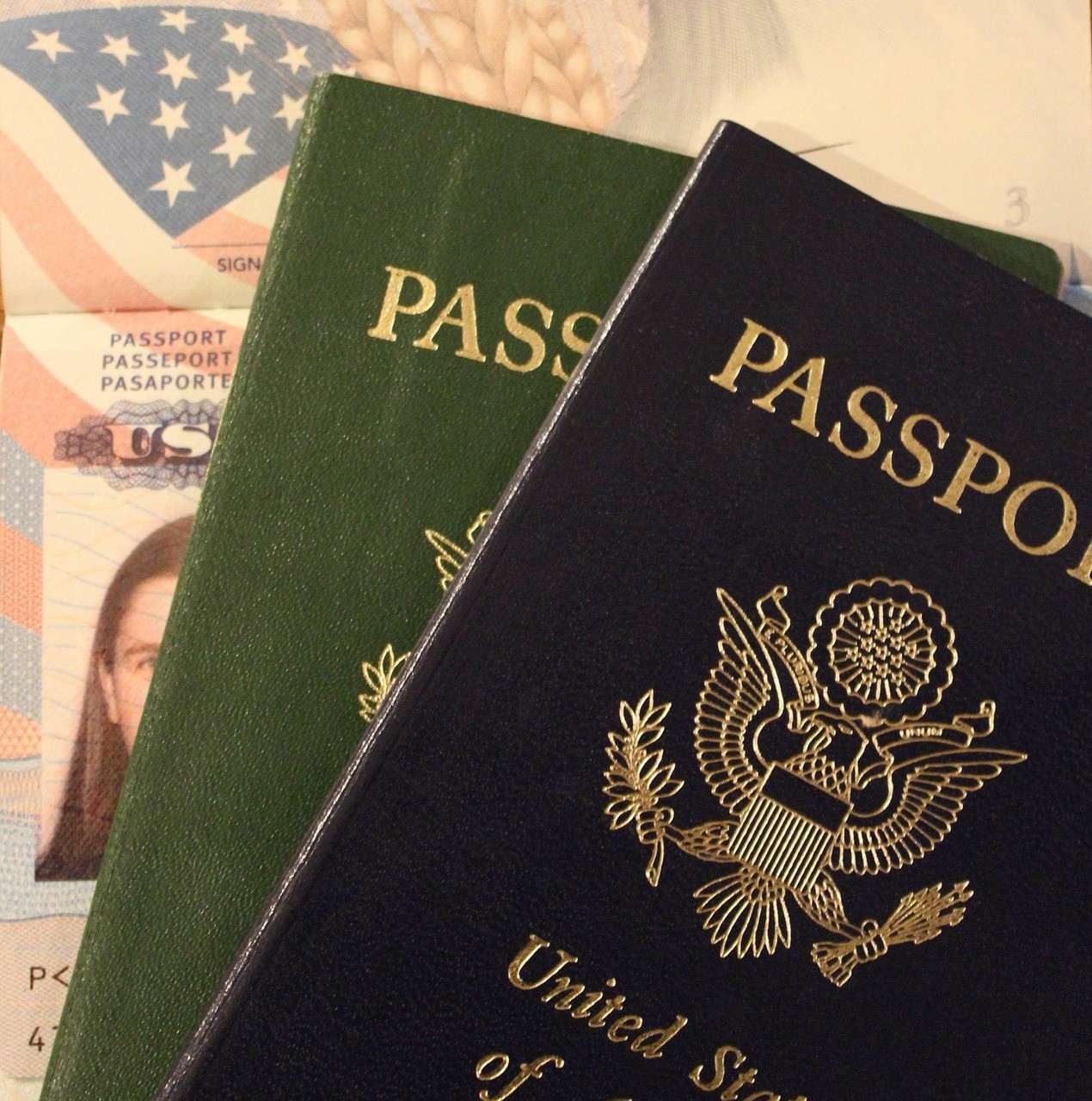
The Immigration and Nationality Act (“INA”) gives an opportunity to US citizens to bring their foreign fiancé(e)s to the United States to get married here. In order to obtain the K-1 fiancé(e) visa, the petitioning US citizen and his/her fiancé(e) must meet certain requirements. The Petitioner Must Be A US Citizen First of all, it should be noted that only US citizens can file K-1 petitions for their foreign fiancé(e)s. Lawful permanent residents cannot bring their fiancé(e)s to the US with a K-1 visa. The petitioning US citizen must submit a proof of his citizenship with the petition for alien fiancé(e). The acceptable evidence of US citizenship includes, but is not limited to, a copy of birth certificate issued by a US civil authority, a copy of certificate of naturalization, and a copy of unexpired US passport. The Petitioner And Fiancé(e) Must Intend To Marry After Fiancé(e)’s Entry To The United States The US citizen petitioner and his/her fiancé(e) must intend to marry within ninety (90) days after fiancé(e)’s entry to the US. Both the petitioner and his/her fiancé(e) shall submit statements of their intent to marry within ninety (90) days after fiancé(e)’s entry to the US. In addition to the statements, the petitioner shall submit any other evidence showing the mutual intention to marry. Once the petitioner and fiancé(e) marry within ninety (90) days after fiancé(e)’s entry to the US, the fiancé(e) may apply for adjustment of status to obtain his/her green card. If the petitioner and fiancé(e) fail to marry within ninety (90) days after fiancé(e)’s entry to the US, the fiancé(e) shall leave the country. A US citizen can file a petition for alien fiancé(e) only if the petitioner and his/her fiancé(e) have met in person within two (2) years prior to filing the petition. The petitioner shall submit evidence of the meeting with his/her fiancé(e) with the petition. Such evidence may include photographs, airplane tickets, stamps in passports, receipts or anything else showing that the petitioner and fiancé(e) have met in person. The requirement of in person meeting can be waived only in two (2) circumstances: (1) if the petitioner can establish that the requirement to meet his/her fiancé(e) in person would result in extreme hardship to the petitioner; or (2) the requirement to meet the fiancé(e) in person would violate strict and long established customs of the petitioner’s or fiancé(e)’s foreign culture or social practice. Both the petitioner and his/her fiancé(e) must be of legal age to marry. Additionally, if the petitioner and/or fiancé(e) have been married before, all prior marriages must be terminated. The petitioner shall submit proof that all previous marriages were legally terminated. Evidence of termination of previous marriages may include judgments of divorce or annulment of marriage or a death certificate issued by a civil authority. If the US citizen petitioner and his/her fiancé(e) meet the requirements outlined above, the US citizen can submit a petition for the fiancé(e). Once the petition is approved, the fiancé(e) can enter the US to marry the petitioner. KAASS LAW is authorized to practice law in California. The above content is intended for California residents only. This content provides only general information on immigration law which may or may not reflect current legal developments. KAASS LAW expressly disclaims all liability in respect to actions taken or not taken based on any of the contents of this website. The above content DOES NOT create an attorney-client relationship. KAASS LAW does not represent you unless you have expressly retained KAASS LAW in person at the KAASS LAW office. KAASS LAW helps clients in: Los Angeles, Burbank, Hollywood, Glendale, Van Nuys, North Hollywood, Studio City, Highland Park, Eagle Rock, Sunland, Tujunga, Sylmar, San Bernardino, La Crescenta, La Canada, Beverly Hills, Westwood, Santa Monica, Brentwood. Pacoima, Montebello, Commerce, Alhambra, Downey, Bell, Maywood, Walnut Park, Vernon, Lynwood, Echo Park, Silverlake, Mission Hills, Northridge, Woodland Hills, Encino, Canoga Park, North Hills, Porter Ranch, Chatsworth, Reseda. FOR A CONSULTATION PLEASE FILL OUT THE FORM BELOW FOR A CALL BACK FROM KAASS LAW: [contact-form to='[email protected]' subject='NEW CLIENT INQUIRY'][contact-field label='Name' type='name' required='1'/][contact-field label='Email' type='email' required='1'/][contact-field label='Phone' type='url' required='1'/][contact-field label='Case Information' type='textarea' required='1'/][/contact-form] https://kaass.com/happens-immigration-visa/ https://kaass.com/happens-child-turns-21-filing-immigration-petition-behalf/
business attorneys
expert economists
Five Common Business Valuation Methods
There are five (5) common business valuation methods, which include the following:
Asset Valuation
Relative Valuation
Historical Earnings Valuation
Future Maintainable Earnings Valuation
Discount Cash Flow Valuation
California Business Purchase Agreement
Upon finalizing the sale of a California business, generally the seller will have his or her business attorney prepare a Purchase Agreement, which will sets forth the terms and conditions for the purchasing of the business in a binding contract. It is highly recommend that you retain a business attorney to review all the details of the purchase agreement to ensure you didn't miss anything throughout the process. Otherwise, you may end up with the shorten end of the stick, which is something you want to avoid, of course. KAASS Law would be happy to assist you with these matters. For the most part a purchase agreement includes details about what you are purchasing with the sale of the business, such as, inventory, customer list, equipment, and any other property.
Do Your Due Diligence Before Buying a Existing Business
Conducting your due diligence prior to purchasing an existing business is critical! Before you commit to anything make sure you do your research on the company from top to bottom, not leaving any loose ends. Often times, business owners quickly jump the gun and fail to investigate and ask questions and find themselves in agony a few months down the line. For instance, a business owner purchase an existing business and is in violation of zoning laws, has judgements against them, or has a pending lawsuit. Other times, a business owner may purchase a business and the office space that was leased with the purchase has reoccurring pipping issues which cause flooding. In cases like these, business owners will find them filing business insurance claims because their unit was damaged due to the flooding, which results in temporary stopping business operations. In such cases, if an owner had conducted their due diligence, they may have discovered that the reoccurring pipping issues.
Spinal Cord Injury Symptoms After Motorcycle Crash
While spinal cord injury symptoms after a motorcycle crash are usually immediate or sometimes symptoms may be delayed as swelling or bleeding occur in or around the spinal cord. Common spinal cord injury symptoms may occur when there is:
Inability to move extremities
Muscle spasms
Pain and numbness
Tingling or burning sensation going down your leg
Inability to feel pressure, heat, or cold
Loss of bladder or bowel control
Headaches
Pain, pressure, stiffness in the back or neck area
Severe Spinal Cord Injury
Often times motorcycle accidents result in severe spinal cord injuries which may require the victim 24-hour-a-day personal care, the use of powered wheelchairs with special controls to move around on their own, or may require complete assistance with activities of daily living, such as eating and dressing. When such injuries occur, medical bills begin to pile up. Thus, it is imperative that motorcycle accident victims speak to a motorcycle accident attorney as soon as possible so that you may preserve your claim. Our Glendale motorcycle attorneys at KAASS LAW can help you get the treatment you need and recover compensation for medical bills, hospital bills, pain and suffering, future treatment, lost wages, loss of income, loss of future income, and other related losses.
The ability to speak is sometimes impaired or reduced.
When all four limbs are affected, this is called tetraplegia or quadriplegia.
Requires complete assistance with activities of daily living, such as eating, dressing, bathing, and getting in or out of bed
May be able to use powered wheelchairs with special controls to move around on their own
Will not be able to drive a car on their own
Requires 24-hour-a-day personal care
Other common motorcycle accident injuries include the following:
Skull fractures
Traumatic brain injuries (TBIs)
Spinal Cord Injury
Hiring a Los Angeles motorcycle accident attorney can help motorcycle accident victims’ preserve their accident claim, increase compensation, and avoid having to deal with the difficulties of insurance companies and insurance adjusters. As experienced motorcycle accident litigators, we have successfully litigated various personal injury cases. KAASS Law understands the mastery it takes to successfully receive fair settlements during the claims stage of a personal injury or accident case. Please call our office at (310) 943-1171 and speak to an experienced Los Angeles motorcycle accident attorney. Give us a call, our attorneys speak English, French, Spanish, Russian, Armenian, and Italian.
Symptoms of Brain Hemorrhaging After Motorcycle Crash
Symptoms of brain hemorrhaging following a motorcycle accident may not be immediately apparent. Brain hemorrhage symptoms may develop over time as the blood accumulates within the brain. Common symptoms of brain hemorrhage injury following a motorcycle crash include:
Headaches that increase in frequency
Vomiting
Slurred speech
Changes in vision
Loss of coordination
Loss of balance
Difficulty speaking or understanding speech
Loss of fine motor skills, such as hand tremors
Tingling or numbness
Fatigue
Confusion
Dizziness
Increase in blood pressure
Loss of consciousness
Lack of energy
Seizures
Other Common Injuries Following Motorcycle Accident
Hiring a Los Angeles motorcycle accident attorney can help victims' preserve their accident claim, increase compensation, and avoid having to deal with the difficulties of insurance companies and insurance adjusters. As experienced motorcycle accident litigators, we have successfully litigated various personal injurycases. KAASS LAW understands the mastery it takes to successfully receive fair settlements during the claims stage of a personal injury or accident case. When you are involved in a motorcycle accident and suffer damages, you are legally entitled to compensation by negligent and responsible parties, or their insurance carriers. We invite you to contact our motorcycle accident attorneys for a free personal injury consultation. We will review your motorcycle accident claim, evaluate the facts surrounding your case, and consult with you on your options. Please call our office at (310) 943-1171 and speak to an experienced Los Angeles motorcycle accident attorney.
Residential Lease Agreements Generally Longer Terms:
Commercial Lease Requires Liability Insurance: Landlords of commercial leases usually require business owners to carry commercial liability insurance in the event someone is injured on your premises or some type of loss occurs. Often times commercial landlords will require that business owner to include their landlord as an named insured on the policy. However, the lease times under liability insurance may not require the landlord to include the business tenant as a insured. It is recommended that you negotiate those terms and request that the landlord also include your business as a named insured on the landlord's insurance policy.
Before signing a commercial lease agreement, it is vital that you review all the terms and ensure that the terms included in the lease agreement will meet the needs of your business. Failure to review the terms thoroughly prior to committing to and signing a lease can lead to unfortunate consequences in the future. Thus, if you are a business owner and wish to enter into a commercial lease agreement it is vital that you have a experienced Glendale business attorney review your commercial lease agreement prior to signing in order to avoid adverse consequences in the future.
Attorneys Fees Clause: Generally in California, Attorney's fees provisions means that in the event of a law suit or dispute each party bears its own attorney’s fees. While there are exceptions to this general rule, if a commercial lease provides that the prevailing party will recover its attorney’s fees and costs, generally that provision is enforceable, assuming that the matter is litigated to judgment. California Civil Code §1717(a) makes attorney fee clauses or provision binds both parties to the clause. Attorney’s fees will be provided to the prevailing party regardless of language limiting the right to one party. In other words, if the lease contains an attorney’s fee clause, a prevailing party/tenant will be awarded attorney’s fees even if the lease only discusses an award of attorney’s fees to the landlord.
These are only a few things a business owner should consider when entering into a commercial lease agreement. Our experienced business law in Los Angeles, CA are available to review for your commercial lease agreement and consult with you on which provisions need changes to ensure you rights are protected. Call (310) 943-1171 and speak with a Los Angeles business law attorney. We are available 24-hours a day.
KAASS LAW is authorized to practice law in California. The above content is intended for California residents only. This content provides only general information which may or may not reflect current legal developments. KAASS LAW expressly disclaims all liability in respect to actions taken or not taken based on any of the contents of this website. The above content DOES NOT create an attorney-client relationship. KAASS LAW does not represent you unless you have expressly retained KAASS LAW in person at the KAASS LAW office. KAASS LAW helps clients in Los Angeles, Burbank, Hollywood, Glendale, Van Nuys, North Hollywood, Studio City, Highland Park, Eagle Rock, Sunland, Tujunga, Sylmar, San Bernardino, La Crescenta, La Canada, Beverly Hills, Westwood, Santa Monica, Brentwood. Pacoima, Montebello, Commerce, Alhambra, Downey, Bell, Maywood, Walnut Park, Vernon, Lynwood, Echo Park, Silverlake, Mission Hills, Northridge, Woodland Hills, Encino, Canoga Park, North Hills, Porter Ranch, Chatsworth, Reseda.
Contact a Glendale Lease Agreement Attorney Today!
Capacity. For a contract to be valid, the parties to the contract must have contractual capacity. For instance, minors, intoxicated persons, or incompetent persons have limited capacity to contract.
What is a Contract?
A contract is a binding agreement between two or more parties. Section 1 of the Restatement defines a contract as ‘‘a promise or a set of promises for the breach of which the law gives a remedy, or the performance of which the law in some way recognizes as a duty.’’
What is Considered an "Offer" in Contract Law?
An "offer" is a manifestation of present contractual intent, communicated to an identified offeree, containing definite and certain terms. The offer element is further analyzed objectively, rather than subjectively. In order other words, for Plaintiff to prove breach of contract, s/he must also prove that the parties intended to enter into a contract.
What Laws Govern or Apply to Contracts/Agreements?
Two laws govern contract law and depending on the type of transaction or agreement parties have entered into the Courts will determine under which law governs the contracts. The two laws which govern contracts law is common law contracts and the Uniform Commercial Code.
Common Law Contracts
Most contracts are governed by state common law, such as employment contracts, service contracts, or the sale of real property.
Uniform Commercial Code Article 2 of the UCC Governs Sales of goods
The uniform commercial code "UCC" governs contracts which involve merchants engaging in the sales of goods. UCC applies to:
Sale the Transfer of Title from Seller to Buyer
Tangible Goods or Personal Property
Breach of Contract or Interference with Contractual Duties
When a party has breached the terms of a contract or interfered with their contractual duties they can be held liable for tort or damages caused to the other party.
Statute of Limitation for Breach of Contract in California
The statute of limitation to bring suit for breach of contract in California depends on the type of contract the parties entered to. Breach of written contract differs from oral contracts.
Breach of a written contract: Four years from the date the contract was broken.
Breach of an oral contract: Two years from the date the contract was broken.
If you are involved in a business dispute or breach of contract matter we invite you to speak to our Glendale business attorney at KAASS Law today! Give us a call or get in touch with us at (310) 943-1171 using the form below; our attorneys speak English, French, Spanish, Russian, and Armenian. [contact-form to='[email protected]' subject='Contract'][contact-field label='Name' type='name' required='1'/][contact-field label='Email' type='email' required='1'/][contact-field label='Phone Number' type='text' required='1'/][contact-field label='Message' type='textarea' required='1'/][/contact-form]
There are many different motorcycle clubs in California that motorcyclists/bikers can join. Some of the following motorcycle/biker clubs in California include:
Iron Warriors MC
The Iron Warriors Motorcycle Club, also known as "IWMC" is a non-profit organization and was founded in 1987 near San Jose, California. The motorcycle club was founded by police officers who owned Harley Davidson motorcycles, and who loved to ride with like-minded people. In order to gain membership to the iron warrior motorcycle club, one must be active and retired law enforcement officers and firefighters. Today, the tradition continues.
The IWMC purpose is to provide assistance and support to the community, members, departments, and families. Many of their efforts are aimed to raise money to support the families of fallen police officers and/or firefighters. The motorcycle club additionally supports military veterans.
American Motorcyclist Association
The American Motorcyclist Association (AMA) is an American nonprofit organization, founded in 1924 and has more than 200,000 members. The AMA motorcyclists organizes many motorcycling activities and campaigns for motorcyclists' legal rights. The AMA mission is "to promote the motorcycling lifestyle and protect the future of motorcycling." For instance, American motorcyclist Association has been at the forefront in stopping the deadly threat of distracted drivers.
Benefits of Joining American motorcyclist Association
There are many benefits of joining AMA, membership benefits include:
AMA Roadside Assistance at No Charge: Coverage for you and all family members that include motorcycles, cars, RVs and trailers is included with our automatic membership renewal.
American Motorcyclist magazine: Dirt or Street edition - Stay informed of the threats to motorcycling and entertained with exciting tours, gear reviews and info, safety tips and more.
Legislative Action Program: Fight against anti-motorcycling laws by using our grassroots tool that allows you to email YOUR federal, state and local government representatives easily and quickly.
Motorcycle Community: Participate in more than 3,000-plus rides, races, clubs and rallies. With more than 1,200 AMA-chartered clubs, you can easily connect with riders in your area.
Discounts and VIP Treatment: Enjoy incredible savings on motorcycle parts, accessories, lodging, bike and car rentals, a special deal at the AMA Motorcycle Hall of Fame Museum, plus a whole lot more.
Ruff Ryders
Ruff Ryders, also known as "RR", is a motorcycle club that has grown through the years and consists of members from all walks of life, such as attorneys, law enforcement, doctors, and military personal. The Ruff Ryders motorcycle club is heavily involved in charity events which support the community such as Cure Violence, Red Cross, Toys For Tots, homeless shelters, and local Boys & Girls Clubs.
Benefits of Joining Ruff Ryders
There are many benefits of joining the Ruff Ryders club, a few benefits include:
Be a member of the largest sports bike organization in the world
The lifelong friendships and the bond of sisterhood and brotherhood
Opportunity to travel
Great network opportunities that is on an international scale
Opportunity to be part of a bigger cause and give back to your community
What Happens if My Child Turns 21 After Filing an Immigration Petition?
The Child Status Protection Act (CSPA) amended the Immigration Nationality Act (INA) qualifications for the term "child" for purposes of an immigrant. This allows beneficiaries to maintain classification as a “child,” even if you reached the age of 21.
What is Age Out?
The CSPA protect immigration classification as a "child" when the person aged out due to excessive processing times. “Child” is defined as an individual who is unmarried and under the age of 21.
What Type of Immigration Applications Preserve "Child" Status?
Under the CSPA,“child” status is protected for:
Family-based immigrants
Employment-based immigrants and
Refugees
Asylum
VAWA
Age-Out Protection for Children of US Citizens
Adjudicators must determine whether the beneficiary qualifies as an immediate relative child based on his age on the date of filing the immigrant visa petition on his behalf. Id. § 201(f)(1). As such, the date when the US citizen parent files the immigration petition for his child, the Form I-130, determines whether the child falls under the category of immediate relatives or not. This means that although the child may turn twenty-one (21) after filing the immigration petition on his behalf, he will always qualify as an immediate relative as long as he is not married. The date of filing the petition is the date when the Form I-130 is filed with the United States Citizenship and Immigration Services.
How Do I Qualify For CSPA Age Out Protection?
Immediate relatives qualify for age out protection if the I-130, Petition for Alien Relative was filed by a U.S. citizen parent for his or her child, the beneficiary’s age “freezes” on the date of filing. If the I-130 petition was filed by a parent that has permanent resident status and received his or her naturalization status before the child turns 21, the child's age “freezes” on the date the petitioner naturalized.
Age-Out Protection for Children of Lawful Permanent Residents
Adjudicators shall determine whether the beneficiary qualifies as a child under twenty-one (21) of a lawful permanent resident by using the following formula: the age of the child on the date on which an immigrant visa number becomes available minus the number of days during which the petition for the child was pending. Id. § 203(h)(1). If the child is under 21 after using this formula he will benefit from the age-out protection provision of INA. The immigration petition is considered to be pending from the date of filing the petition until the date of approval. It should be noted that the beneficiary may benefit from the age-out protection only if he seeks to acquire a status of a lawful permanent resident within one (1) year after the availability of an immigrant visa number. Id. The age-out protection provisions of the INA are intended to protect the children of US citizens and lawful permanent residents who turn twenty-one (21) after filing the immigration petition on their behalf. Hence, if the child of a US citizen or a lawful permanent resident will turn twenty-one (21) soon they should try to file the immigration petition before the child turns twenty-one (21) in order to benefit from the age-out protection provisions.
What is the Eligibility Criteria for CSPA Age Out Protection?
In order to be eligible for CSPA age out protection the "child":
Must have been the beneficiary of a pending or approved visa petition;
Must not have had a final decision on an application for adjustment of status or an immigrant visa before August 6, 2002;
Must “seek to acquire” permanent residence within one (1) year visa becoming available;
As long as the child was unmarried and under 21 at the time of filing the petition and the child was listed on the Form I-589, or I-590, the child will remain a “child” regardless of age and can continue adjustment of status
FOR A FREEDETAILED REVIEW BY OUR AWARD WINNING LOS ANGELES IMMIGRATION ATTORNEYS FILL OUT THE FOLLOWING FORM: [contact-form to='[email protected]' subject='NEW CLIENT - Immigrationt'][contact-field label='Name' type='name' required='1'/][contact-field label='Email' type='email' required='1'/][contact-field label='Phone' type='url' required='1'/][contact-field label='Facts' type='textarea' required='1'/][/contact-form]
The only real reason to lay down your motorcycle is if you are almost certain that you will not be able to stop your bike in time and you have nowhere to swerve to avoid the accident. In other words, if swerving out of the way or hitting your breaks is not an option because you believe that even more serious consequences will results, laying down your motorcycle would be a good choice in this type circumstance.
Motorcycle Safetey Measures Maximize Success Rate for Swerving or Stopping
Successful, rapid stopping is best accomplished by quickly applying both the front and rear brakes at the same time. If doing so results in your front wheel locking, then at that point you have to rapidly disengage the brake before firmly reapplying pressure to the rear brake. On the other hand, if your rear wheel locks up as opposed to the front wheel, then it is best to allow it to remain locked and kee[ applying the brakes until you have completely stopped. Hiring a Los Angeles motorcycle accident attorney and motorcycle accident attorney in Glendale can help motorcycle accident victims preserve their accident claim, increase compensation, and avoid having to deal with the difficulties of insurance companies and insurance adjusters. As experienced motorcycle accident litigators, we have successfully litigated various personal injury cases. KAASS LAW understands the mastery it takes to successfully receive fair settlements during the claims stage of a personal injury or accident case. When you are involved in a motorcycle accident and suffer damages, you are legally entitled to compensation by negligent and responsible parties, or their insurance carriers. We invite you to contact our motorcycle accident attorneys for a free personal injury consultation. We will review your motorcycle accident claim, evaluate the facts surrounding your case, and consult with you on your options. Please call our office at (310) 943-1171 and speak to an experienced Los Angeles motorcycle accident attorney. Give us a call, our attorneys speak English, French, Spanish, Russian, Armenian, and Italian. [su_button url="tel:+1 3109431171" background="#2def58" color="#ffffff" size="9" center="yes" icon="icon: share"]CALL US NOW FOR A FREE CONSULT[/su_button] KAASS LAW is authorized to practice law in California. The above content is intended for California residents only. This content provides only general information which may or may not reflect current legal developments. KAASS LAW expressly disclaims all liability in respect to actions taken or not taken based on any of the contents of this website. The above content DOES NOT create an attorney-client relationship. KAASS LAW does not represent you unless you have expressly retained KAASS LAW in person at the KAASS LAW office. KAASS LAW Motorcycle Accident Collision Lawyers and Attorneys helps clients in: County of Los Angeles, City of Los Angeles, Burbank, West Hollywood, Glendale, Van Nuys, North Hollywood, Studio City, Highland Park, Eagle Rock, Sunland, Tujunga, Sylmar, La Crescenta, La Canada, Beverly Hills, Westwood, Santa Monica, Brentwood. Pacoima, Montebello, Commerce, Alhambra, Downey, Bell, Maywood, Walnut Park, Vernon, Lynwood, Echo Park, Silverlake, Mission Hills, Northridge, Calabasas, Woodland Hills, Encino, Canoga Park, North Hills, Porter Ranch, Chatsworth, Reseda. Pamona FOR A FREEDETAILED REVIEW BY OUR AWARD WINNING LOS ANGELES MOTORCYCLE ACCIDENT ATTORNEYS FILL OUT THE FOLLOWING FORM: [contact-form to='[email protected]' subject='NEW CLIENT - Moto Accident'][contact-field label='Name' type='name' required='1'/][contact-field label='Email' type='email' required='1'/][contact-field label='Phone' type='url' required='1'/][contact-field label='Facts of Accident' type='textarea' required='1'/][/contact-form] https://kaass.com/california-motorcycle-helmet-laws/ https://kaass.com/common-causes-of-motorcycle-accidents/ https://kaass.com/common-traumatic-brain-injury-symptoms/