Tire Accident Defects Causing Wrongful Death
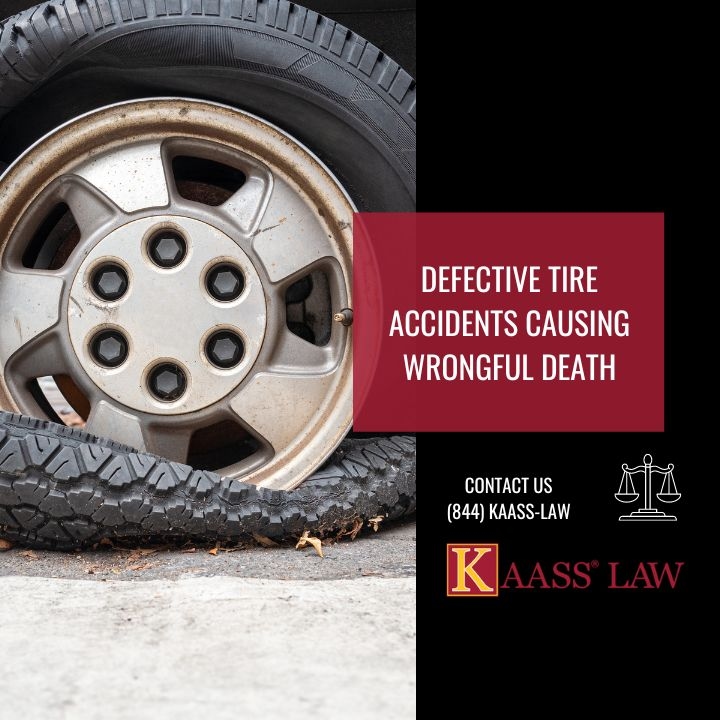
When a tire blows out at high speed, your car may swerve, cross lanes, or collide with another car. Deaths and severe injuries are frequently brought on by tire failure. Sometimes, a defective tire that results in accidents and fatalities may be the fault of the tire manufacturer or another party. Our California tire accident attorneys know the devastation such instances may cause. Defective tires that separate or blow out have a long history in the auto and tire manufacturing industries. You might not know you use hazardous tires due to a broken recall system.
The Most Common Defects that Lead to a Tire Accident
The following are the most prevalent tire flaws:
- Separation of treads
- Manufacturing flaws
- Tires that appear to be new but are actually worn
- Insufficient puncture repair
- Failure to Retread
- Tires that are inappropriate for the vehicle
- Steel belt and tread separation due to the difficulty of connecting steel to rubber
- Tires manufactured without suitable separation prevention design features
- Damaged tires
These flaws pose varied degrees of risk. For example, separating rubber and metal might result in a blowout, which can cause a dangerous loss of control, especially at high speeds.
Who Can Be Responsible For a Defective Tire Accident?
Generally, vehicle owners and workshops that do state inspections are responsible for inspecting their tires. Tire manufacturers are accountable for fatalities and injuries due to product liability litigation in high-profile incidents. Parties held liable for tire failures that result in severe or fatal accidents include:
The Driver
Many motorists neglect to inspect, maintain, and rotate their tires. Tires frequently rot or become under-inflated. Therefore, most tires are labeled with the miles they may be driven safely on. Drivers frequently disregard the labeling.
A Bus or Trucking Company
A trucking company or bus operator is responsible for maintaining its fleet. Both trucking businesses and bus companies are responsible for fleet maintenance and should have strict protocols to examine and maintain tires.
A Tire Manufacturing Company
A design may be defective, or substandard manufacturing may indicate that the design was not followed.
An Auto Service and Repair Facility
Repair shops may install tires poorly or fail to see flaws during service or inspection. For example, you may sue the car shop for negligence.
What Damages Can a Surviving Family Member Recover in a Wrongful Death Case?
In tire defect claims, recoverable damages include:
- Hospital expenses
- Medical expenses.
- Lost earnings
- Distress and suffering
- Property damage
- The loss of consortium of a spouse
- Lost financial and emotional support
- Costs of burial and funeral expenses
In addition to bringing you the money and closure you need after your accident, a successful lawsuit against a tire manufacturer also draws attention to a product that shouldn't be sold. Also, a judge may instruct a manufacturer to implement a tire recall or issue a consumer warning, potentially saving lives.
Hire Experienced California Wrongful Death Attorneys
Manufacturers of tires for vehicles, trucks, buses, and motorbikes have a legal obligation to create and market safe products and to notify motorists of known flaws. Recent recalls have shown that tire manufacturers are reluctant to identify flaws and hazards in their products. Regrettably, many defective tires due to the recall remain on the road because drivers were not notified of the recall. The consequences are frequently severe when tires fail due to a design or manufacturing flaw. Drivers, passengers, and other motorists may pay with their lives. The manufacturers must be responsible for causing death. Our experienced wrongful death lawyers at Kaass Law will help you to recover damages. So, call us now at (310) 943-1171. To see our other services, click on this link.
Related Articles
View All Posts
Learn how cell phone use and texting can contribute to distracted driving accidents, liability, evidence, and injury claims in California.

A Downtown Los Angeles fatal stabbing and vehicle incident raises questions about wrongful death, negligence, and potential civil liability.
What Are California's Clean Car Rules?
Clean Car rules refer to California's vehicle emission standards aimed at reducing air pollution and greenhouse gases. These rules come from the California Air Resources Board (CARB). They require automakers to cut tailpipe emissions and produce zero-emission vehicles like electric or hydrogen-powered cars.
California's program is stricter than federal rules. Over a dozen other states have adopted these standards under Section 177 of the Clean Air Act.
Legal Challenge to Clean Car Standards Gains Traction
Recently, the U.S. Supreme Court allowed a lawsuit against California’s Clean Car rules to move forward. This case was brought by Republican-led states and industry groups. They claim that California's authority to set its own emission rules is unconstitutional.
The main argument revolves around the federal Clean Air Act. It allows California to request a waiver to impose stricter standards. The plaintiffs argue that these waivers create confusion and impose unfair burdens on car manufacturers. Automakers must then meet both federal and California standards.
Supreme Court Declines to Block the Case
The Supreme Court did not rule on the lawsuit’s outcome. Instead, it simply allowed the case to continue in lower courts. This reverses earlier decisions that blocked the case on jurisdictional grounds.
California Attorney General Rob Bonta has promised to defend the rules. Environmental groups also support the Clean Car program, citing public health and climate benefits.
What This Means for Automakers and Consumers
If the challenge succeeds, California might lose its power to enforce stricter emissions rules. Automakers would likely reduce investments in zero-emission vehicles for the California market.
Consumers could see fewer Clean Car options and increased vehicle emissions. If California wins, the state could continue shaping national clean vehicle policy and technology.
Environmental and Health Impacts
Clean Car standards are about more than climate change. They address serious public health concerns. Vehicle emissions worsen smog and trigger asthma and heart conditions, especially in cities.
California suffers from some of the worst air pollution in the U.S. Areas like Los Angeles and the Central Valley are most affected. Clean Car rules aim to reduce the harm caused by millions of vehicles.
To learn more about vehicle pollution and public health, visit the Environmental Defense Fund.
Legal Battle Over State vs. Federal Power
This lawsuit raises big questions about federalism. Should California be able to set stricter rules than the federal government?
The Clean Air Act gives California the right to apply for waivers. That’s because the state has struggled with air pollution for decades.
Opponents argue these waivers give California too much control over national markets. Supporters say they drive innovation and protect public health.
The Trump administration revoked California’s waiver. President Biden later restored it. The back-and-forth has led to legal uncertainty.
Clean Car Standards Drive the Electric Vehicle Future
No matter how this case ends, the shift toward electric vehicles (EVs) is underway. Automakers like Tesla, Ford, and GM are heavily investing in EVs.
Clean Car rules helped build charging infrastructure and encouraged EV adoption. Weakening these rules might slow progress. But market forces and climate goals will likely keep the EV transition moving forward.
KAASS LAW’s Legal Insight
At KAASS LAW, we closely track cases like the Clean Car challenge. Environmental laws affect businesses, consumers, and government entities alike. Our attorneys are ready to help you understand and respond to these legal changes.
Visit our Business Law page to learn how we assist clients with compliance and litigation. We also handle Lawsuits and Litigation in various sectors, including environmental matters.
What Happens Next?
The case returns to lower courts for full litigation. Both sides will present their arguments. A final decision may take years.
Until then, Clean Car standards remain active. Automakers, regulators, and environmental groups will be watching closely. The ruling could reshape national clean air policy.
Conclusion
The Supreme Court’s action allows a high-stakes lawsuit against California’s Clean Car rules to move forward. The outcome will affect state powers, public health, and the auto industry.
Whether you’re a business, consumer, or policymaker, the decisions made in this case could impact you. Contact KAASS LAW to learn how we can help you navigate these evolving legal landscapes.