
An employee showing up on time to work is an important factor in any job. Prompt attendance often determines how an individual will show up for the business or organization for the rest of the day. In addition, setting a good example is crucial for maintaining a healthy workplace environment for yourself and others. When an employee repeatedly arrives late, California employers may face difficult decisions about how to address the behavior while complying with state and federal employment laws. Understanding the applicable laws can help California business owners address attendance concerns while reducing the risk of wrongful termination disputes.
Under California Labor Code Section 2922, employment without a specified term is usually presumed to be at will. This means an employer may terminate an employee for a lawful reason, including repeated tardiness, without necessarily establishing misconduct.
For example, an employee who consistently arrives 20 to 30 minutes late despite receiving reminders or written warnings may be subject to disciplinary action, including termination. However, at-will employment does not permit termination for discriminatory, retaliatory, or otherwise unlawful reasons. As a result, it is important for employers to review employment contracts, collective bargaining agreements, and applicable workplace policies before making termination decisions.
Repeated tardiness may justify disciplinary action when an employee fails to comply with reasonable workplace attendance expectations. Common examples may include, but are not limited to, the following:
California law usually does not require private employers to provide a specific number of warnings before terminating an at-will employee for regular tardiness. In addition, consistent documentation and reasonable disciplinary procedures can help employers explain the business reasons behind their decisions.
Terminating an employee for attendance issues may raise legal concerns when the tardiness is connected to a qualifying medical condition or disability. Under the California Fair Employment and Housing Act (FEHA), Government Code Section 12940, covered employers must comply with disability discrimination and reasonable accommodation requirements.
California employers must also consider whether an employee's late arrival involves legally protected paid sick leave. Under California Labor Code Sections 245–249, eligible employees usually have the right to collect and use paid sick leave for specific purposes.
For example, if an employee arrives late because of a qualifying medical appointment and properly uses available protected sick leave, disciplining that employee for the protected absence may create legal concerns. As a result, employers in Los Angeles and surrounding communities should also review applicable paid sick leave laws, which may provide additional protections.
Certain attendance issues may involve protections under the California Family Rights Act (CFRA) or the federal Family and Medical Leave Act (FMLA). Eligible employees may qualify for protected leave, including intermittent leave, for specified medical or family-related reasons. However, employees remain subject to lawful attendance requirements for absences or late arrivals that are not protected.
A practical disciplinary process may include the following.
Employers should apply attendance policies consistently and avoid treating employees differently because of protected characteristics or activities.
An employee may bring a wrongful termination claim if the termination violated employment laws, contractual obligations, or established public policy. Potential disputes may involve:
Although repeated tardiness may result in termination, employers should evaluate whether additional circumstances create legal exposure.
Seeking legal guidance and support after being involved in an employee termination matter is crucial to understanding your rights, responsibilities, and the necessary steps to take moving forward. Oftentimes, these types of legal conflicts may create various challenges that individuals may not know how to navigate on their own. As a result, speaking to a legal professional may help reduce the risk of additional harm and damage from occurring. Our legal team may review the specific facts of your case, preserve important pieces of evidence, and determine who may be held legally responsible.
Can I fire an employee for being late three times?
Generally, yes, if the termination is otherwise lawful. California does not impose a universal three-warning requirement. However, employers should consider company policies, employment agreements, and protected circumstances.
Can I fire an employee without giving a written warning?
At-will employers generally may terminate employees without a written warning unless a contract, applicable policy, or other legal obligation requires a different procedure.
Can an employee be fired for being late because of childcare responsibilities?
Ordinary childcare scheduling difficulties do not automatically provide protection against termination. However, certain family leave, sick leave, discrimination, or accommodation laws may apply depending on the circumstances.
Can an employer deduct wages when an employee arrives late?
Employers generally do not have to pay nonexempt employees for time they did not work. However, wage deductions must comply with California wage-and-hour laws, including applicable rules for exempt employees.
Repeated employee tardiness can create operational challenges, especially when attendance concerns overlap with California employment protections. The legal team at KAASS LAW may help businesses in California with employment-related legal matters, including workplace policies, employee disciplinary procedures, wrongful termination disputes, and employment litigation.
Our qualified personal injury attorneys may review attendance documentation, assess applicable employment laws, and discuss potential legal considerations before or after an employee termination. Don’t wait. Call KAASS LAW today for a confidential consultation and to learn more about your legal options moving forward.
Former employee sued your business? Learn how California employers can respond, protect records, review insurance, and seek legal help today.
Facing an employment lawsuit after your insurance expires? Learn how EPLI coverage, reporting deadlines, and California law may affect you.
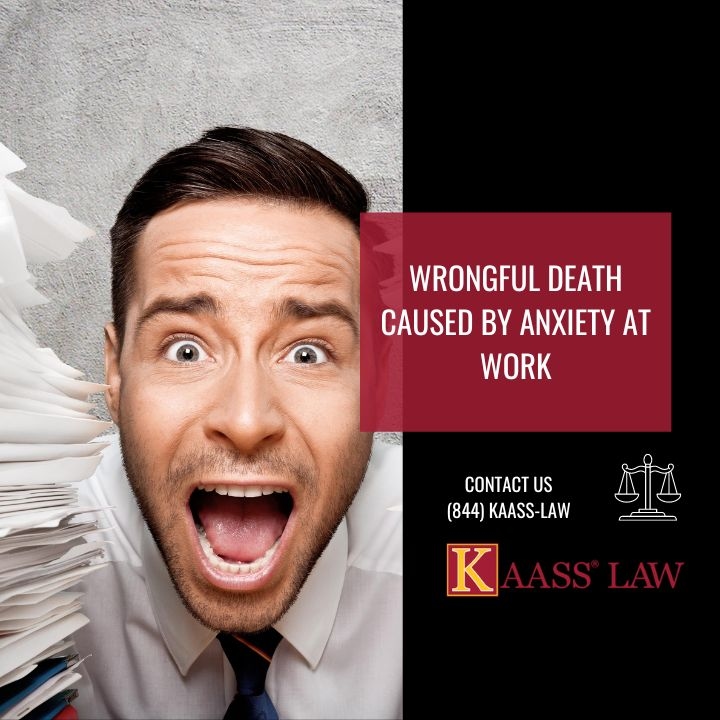
Anxiety can be crippling and have a bad effect on a person's capacity for both domestic and professional performance. However, anxiety at work is a frequent occurrence and, in extreme instances, can result in wrongful mortality. To learn more about the reasons, symptoms, and remedies for wrongful death brought on by workplace worry, read on.
There are many reasons why anxiety can occur in the workplace. For example, some common causes of anxiety at work include:
These elements may combine to create a poisonous workplace that is detrimental to an employee's emotional health and well-being.
Recognizing the early symptoms of workplace anxiety is crucial to preventing it from developing into a serious condition that could result in accidental death. Examples of typical indications of worry at the workplace include:
It is crucial to obtain assistance right away if you or someone you know is going through these signs.
Employers are required by law and morality to give their workers a secure and wholesome working atmosphere. Therefore, managers should take the following actions to avoid wrongful death brought on by worry at work:
The victim's family may have legal options if a company fails to provide a secure and healthy workplace and an employee passes away from anxiety brought on by work-related stress. For negligence or failure to maintain a secure workplace, the employer may be responsible for wrongful death claims. It is crucial in these situations to seek the counsel of a qualified attorney who can help you navigate the court system and secure the recompense you are entitled to. If ignored, workplace anxiety can be a serious disease that results in wrongful mortality. Employers are required by law and morality to give their workers a secure and wholesome working atmosphere. For example, by creating a supportive work environment, managing workloads, addressing harassment and discrimination, providing training, and offering flexible work arrangements, employers can prevent wrongful death caused by anxiety at work.
Further, keep in mind that assistance is accessible and that you are not alone. Seek the counsel of seasoned lawyers who concentrate on these types of cases if you or a loved one has experienced the untimely death of a family member brought on by workplace worry. As a result, at Kaass Law, our lawyers have the knowledge and experience to help you navigate the legal system and secure the settlement you are due. So call us at 310-943-1171 right away to arrange a meeting and find out how we can help you with your situation. One of our many areas of expertise is wrongful death. All things considered, we are devoted to the pursuit of justice and to making bosses liable for their deeds.