
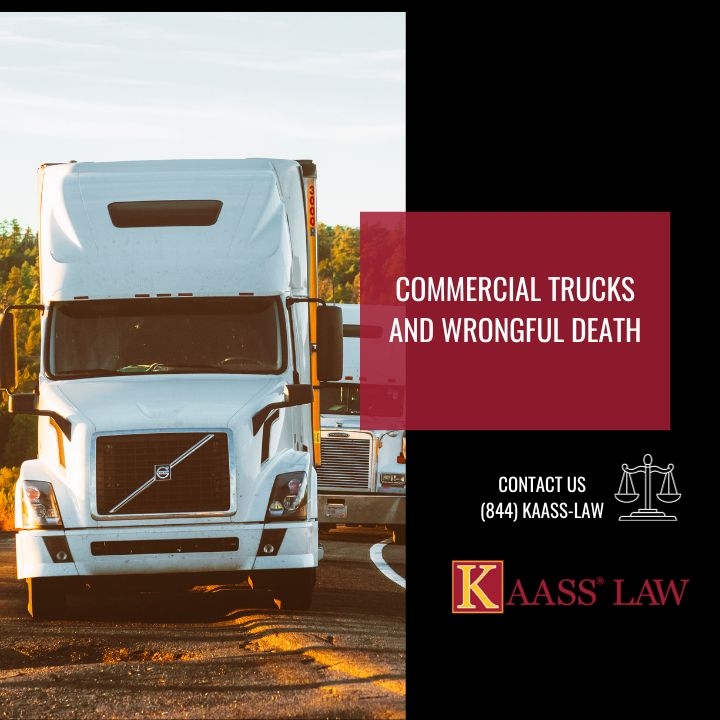
Commercial trucks, the backbone of our economy, are vital for transporting goods across the nation. Their towering presence on the highways is a testament to their significance, but it also masks a somber reality. Therefore, these behemoths are sometimes involved in tragic wrongful death cases. This blog delves into the heart-wrenching incidents where the might of commerce collides with personal loss.
Commercial trucks, with their imposing size, are both a blessing and a curse. Their ability to carry vast amounts of cargo ensures the smooth operation of industries. Also, keeps store shelves stocked, yet their colossal presence can lead to catastrophic accidents. These accidents, while not the norm, can be utterly devastating for the families who lose loved ones. Wrongful deaths caused by commercial truck accidents are sudden, shocking, and often avoidable.
Many wrongful deaths involving commercial trucks are a result of negligence. This negligence can manifest in various ways, but it frequently revolves around inadequate safety measures and violations of traffic regulations. One common form of negligence in trucking accidents is insufficient maintenance. Commercial trucks travel thousands of miles, and when proper maintenance is neglected, mechanical failures can occur, contributing to accidents and loss of life. Driver fatigue is another prevalent issue. Truck drivers often work long hours, and the pressure to meet delivery deadlines can lead to exhaustion. Fatigued drivers are more prone to accidents, posing a significant risk to others on the road. Overloaded trucks are a recipe for disaster. Carrying loads that exceed weight limits makes these vehicles harder to control, leading to accidents and, tragically, wrongful deaths. Reckless driving is a menace.
When wrongful deaths occur, affected families have legal recourse to seek justice. These legal actions are crucial for holding negligent parties accountable and providing a degree of closure to grieving families. Wrongful death claims are a means for families to seek compensation from those responsible for the accident. Trucking companies, drivers, or even manufacturers can be responsible if negligence leads to an accident. In these claims, the burden of proof lies with the plaintiffs. Families must demonstrate that the negligence of the truck driver, the trucking company, or other parties directly caused the accident and the subsequent wrongful death.
While no amount of money can fully compensate for the loss of a loved one, wrongful death claims can provide financial support to affected families. This compensation can cover medical expenses, funeral costs, lost income, and more, helping to ease the financial burden that often follows such tragedies.
One of the most significant impacts of wrongful death claims is their potential to prevent future tragedies. When trucking companies face legal consequences for negligence, they're incentivized to improve safety measures, enforce strict regulations for their drivers, and prioritize the well-being of all road users. In the wake of wrongful death cases, the trucking industry may adopt safer practices, such as better driver training, more rigorous enforcement of rest hours, and diligent maintenance schedules for their vehicles. This collective effort helps hold all responsible parties accountable and, ideally, makes our roads safer for everyone.
If you have questions or require legal assistance regarding wrongful death cases related to commercial trucks, please don't hesitate to contact us today at 310-943-1171. We are here to provide guidance and support, helping you navigate the complexities of these challenging situations and seek justice for your loved ones. Such cases are simply one of our many practices.
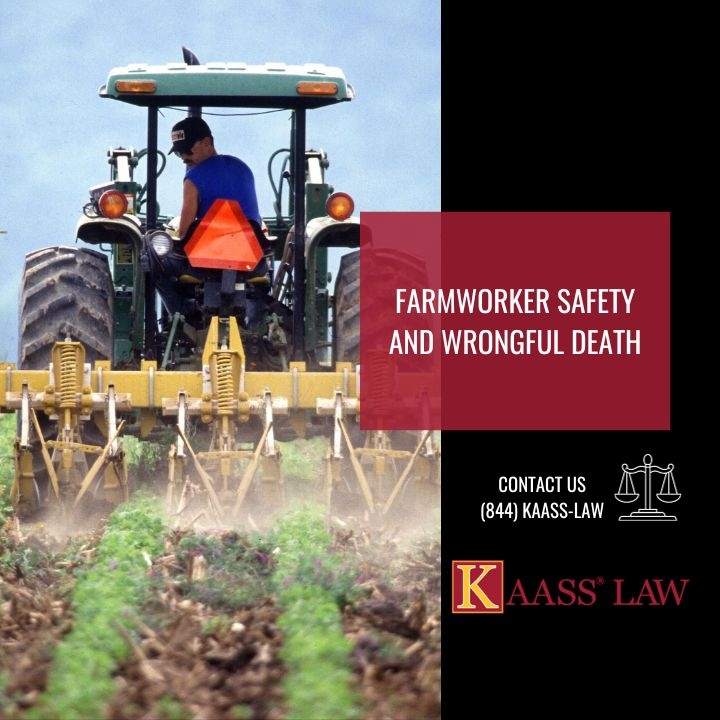
In the heart of rural America, amidst picturesque landscapes and fields of golden crops, lies a group of essential yet often overlooked individuals: farmworkers. These dedicated laborers toil under the sun, planting, tending, and harvesting the food that sustains us all. In this blog, we explore the often-overlooked issue of farmworker safety and the tragic cases of wrongful death in this vital sector.
Farmworkers are the backbone of agriculture, contributing to the production of food and other essential goods. Their work is physically demanding, often involving long hours of labor under diverse weather conditions. These dedicated individuals perform a wide range of tasks, from planting and weeding to operating heavy machinery and handling pesticides. Despite the fundamental role they play in our food supply, farmworkers face unique challenges and dangers that go unnoticed. Factors such as limited access to healthcare, language barriers, and inadequate legal protection make farmworkers vulnerable to accidents and injuries, including fatal ones. Working on a farm is more than just a job; it's a way of life. However, this way of life is not without its share of hazards:
Social media platforms now play a big role in our daily lives—how we share, communicate, and record our experiences. But the use of this data in court cases has changed the landscape of how we pursue justice. In this blog, we will discuss the ramifications and effects of social media evidence in wrongful death lawsuits.
For many people, social media sites like Facebook, Instagram, Snapchat, and Twitter have replaced their physical journals. On these platforms, people share their ideas, feelings, experiences, and even moment-to-moment updates about their life. When it comes to legal cases, this abundance of information can be both a benefit and a liability.
Amusement parks promise exhilarating rides, mouthwatering food, and life-long memories. The grim reality is that wrongful fatalities at amusement parks have been a tragic reality for many families, hidden behind the joy and fun.
In amusement parks, "wrongful deaths" occur due to mishaps, carelessness, or broken rides that are located on park property. These mishaps may involve park patrons, staff members, or even outside contractors doing upkeep and development work. These catastrophic occurrences frequently result from mechanical breakdowns, operator error, insufficient safety precautions, and poor maintenance.
With its wide variety of rides and attractions, the amusement park industry is a complicated one. The multidimensional problem of ensuring visitor safety necessitates strict standards and control. Most importantly, in order to improve security in theme parks, these actions are implemented: 1.Regular Inspections: To make sure amusement park rides adhere to safety regulations, regulatory authorities should carry out frequent and thorough inspections. 2.Employee Training: To manage emergencies and uphold guest safety, park employees in charge of managing rides must undergo thorough training. 3.Maintenance: Routine maintenance and repairs of rides are given first priority to avoid mechanical failures that could cause accidents. 4.Transparency: Parks should maintain transparent records of safety inspections and accidents, which should be easily accessible to the public.
Legal action frequently follows a wrongful death at a theme park. Typically, the victim's family file wrongful death lawsuits in an effort to recover damages for their . These claims may include funeral and medical costs, lost wages, and pain and suffering. However, taking legal action in such situations may be a difficult and drawn-out procedure as park owners and operators frequently have a substantial financial investment and legal counsel to defend against allegations. Legal action frequently follows a wrongful death at a theme park. These claims may include funeral and medical costs, lost wages, and pain and suffering. However, taking legal action in such situations may be a difficult and drawn-out procedure as park owners and operators frequently have a substantial financial investment and legal counsel to defend against allegations. Cases like this can also go to court. The result of these legal cases may establish significant industry precedents and act as a spur to increase safety precautions. Unjustified deaths at amusement parks overshadowed the usually happy and If you have any further questions please contact us at 310.943.1171 or visit
Wrongful death cases are complex legal matters that seek justice and compensation for the loss of a loved one due to someone else's negligence or misconduct. In many such cases, determining fault can be intricate, and this is where the concept of "comparative fault" comes into play. In this blog, we'll explore what the term means, its significance in wrongful death cases, how it affects compensation, and various aspects related to this important legal doctrine.
Comparative fault, also referred to as comparative negligence or shared fault, is a legal principle that civil cases, including wrongful death claims, use to apportion responsibility and determine the degree of fault among parties involved in an incident leading to injury or death. The core idea is that in many situations, more than one party may bear some level of responsibility for an accident or its consequences. Comparative fault acknowledges that rarely is one party entirely to blame, and it aims to assign liability proportionally based on each party's contribution to the accident. In essence, it's a way to ensure that the injured party receives a fair and just amount of compensation considering their own actions or negligence.
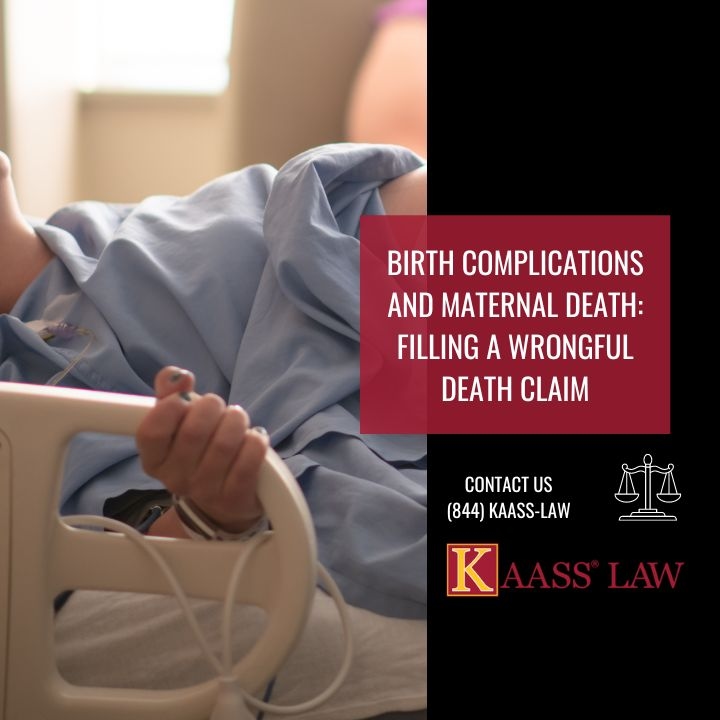
A wrongful death is most simply defined as the intentional or unintentional taking of another person's life. In the case of maternal death during birth or pregnancy, wrongful death can sometimes be caused by medical negligence and thus can constitute a medical malpractice case. A woman's body experiences a great deal of stress during pregnancy, labor, and delivery, as well as frequent trauma. An experienced obstetrician should be on hand to watch for any signs of complications during pregnancy or birth. A smooth delivery can be achieved by ensuring that any problems are adequately tracked and fixed as soon as they arise.
Here are some common reasons for maternal death:
This is when pre-delivery bleeding occurs due to the implantation of the uterus near the top of the cervix. An ultrasound helps to detect placenta previa. If a doctor fails to recognize the warning signs and diagnoses the problem, it could result in massive hemorrhaging and shock. Alcohol consumption during pregnancy, c-section delivery, and maternal age over 30 are all risk factors.
The extensive system of highways in our countries is essential to commerce because it guarantees that goods arrive at their destinations on time. The unsung heroes of the transportation business are the truck drivers who operate the enormous trucks that travel these roadways. The psychological effects on truck drivers is generally disregarded, despite the fact that they play a crucial role in maintaining the momentum of our economies. But this error has far-reaching effects, adding to the epidemic of unreported fatalities on our roads.
The solitude that comes with being a truck driver is one of their biggest sources of stress. Long distances from friends and family result from long travel days. Feelings of alienation and loneliness brought on by solitude can exacerbate mental health conditions like anxiety and depression which become the huge psychological impacts on truck drivers that can potentially cause a wrongful death.
The demands of the profession place truck drivers on strict timetables. Drivers' mental health may be compromised by this high-stress atmosphere, which could affect their ability to make wise decisions while driving. Drivers may occasionally turn to dangerous habits like speeding or driving for extended periods of time without stopping, which greatly raises the risk of and unintentional deaths.
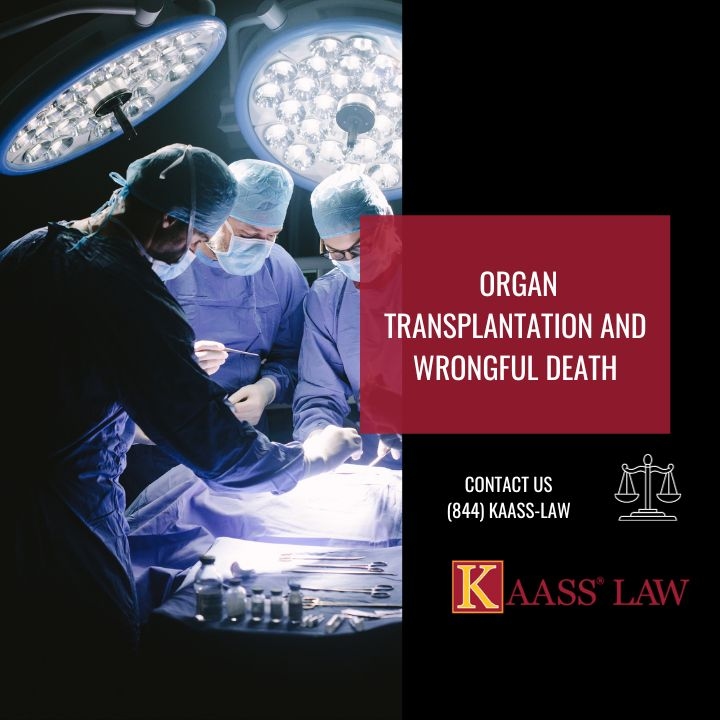
Organ transplantation stands as a glimmer of hope within the realm of modern medicine, extending a vital thread of life to those grappling with life-threatening conditions. So as, it offers the promise of a fresh start, a renewed lease on life. Nonetheless, within the sphere of organ transplants, there exists a shadowed underbelly. Wrongful death cases linked to organ transplantation issues, including organ trafficking and medical negligence, expose the intricate and delicate facets of this life-preserving field. Therefore, this blog embarks on an exploration of the intricate landscape of wrongful death cases in the context of organ transplantation, illuminating the complex challenges and ethical dilemmas that surface.
Organ transplantation is a medical marvel that has saved countless lives. This then brings together organ donors, recipients, and healthcare practitioners in the noble endeavor of granting a second chance at life. However, this promise of renewal is also accompanied by ethical and logistical challenges.
The allocation of organs for transplantation raises profound ethical questions. The demand for organs significantly outstrips the supply, leading to difficult decisions regarding who receives these life-saving gifts. These decisions have far-reaching consequences and weigh heavily on the medical community.
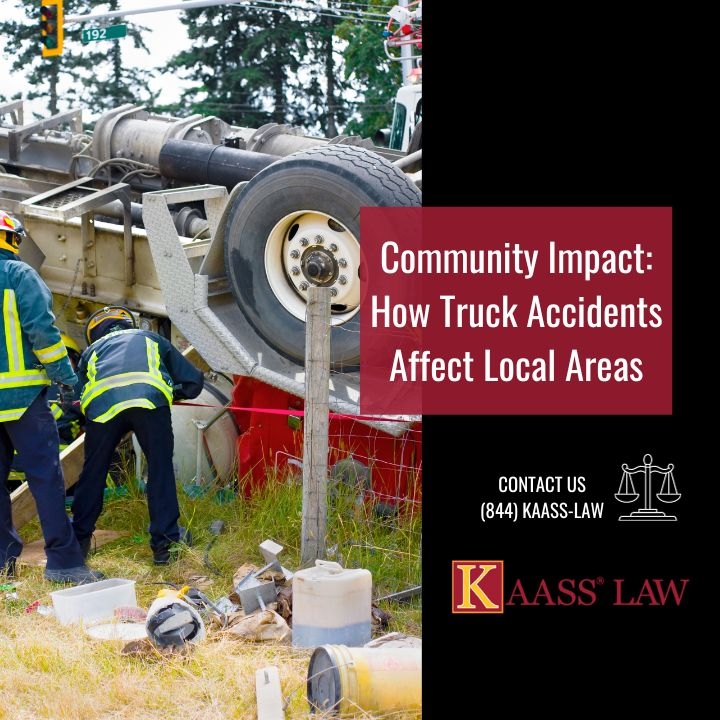
The effects of an occurrence spread far beyond the site across the huge web of interrelated communities that comprise our planet. A truck collision is one such incident that has broad ramifications. These occurrences have a long-lasting effect on the communities they affect in addition to posing an immediate risk to life and property. We will examine the community impact as a result of truck accident in this blog.
The immediate effect of a truck collision is frequently felt in the disruption that it creates to local transportation and traffic patterns. There may be temporary closures or restrictions on highways, roads, and streets, which may cause commuter traffic bottlenecks and delays. When emergency services are called to the scene, resources from other possible emergencies are redirected. These disturbances have the potential to swiftly become serious problems for both locals and businesses in heavily populated areas. The safety risks connected to vehicle accidents are also very serious. Witnesses and community members experience trauma alongside those directly affected, facing the potential for injury or even fatalities. A community's collective memory of the aftermath of such events may remain for a while, creating a sense of vulnerability and unease.
Wrongful deaths among farmworkers are, sadly, not uncommon. These cases involve the tragic loss of life due to preventable circumstances in the workplace. The agricultural sector is inherently dangerous, but there are instances where better safety measures could have saved lives. Let's explore a few notable examples:
The safety and well-being of farmworkers are essential aspects of the agricultural industry that deserve more attention. The wrongful deaths among these dedicated individuals highlight the need for safety measures, improved training, and better legal protections. Farmworker jobs play an indispensable role in putting food on our tables. It is our collective responsibility to ensure their safety and well-being while they do so. Additionally, view our other website for more information of other cases we can help in.
There are numerous formats available for evidence in wrongful death cases. Posts with written annotations and status updates can provide insight into the relationships, pursuits, and mental state of the departed individual before the incident.
The use of social media evidence in wrongful death cases can have a significant impact on the legal process. An important effect on the legal process can result from the use of social media evidence in wrongful death cases. Facts are supported by social media evidence, which gives a more accurate account of the incidents and circumstances leading up to the wrongful death.
2.Effect on Settlements: Solid social media proof may persuade wrongful death case participants to settle out of court rather than going to trial. 3.Privacy Issues: There are issues with privacy because of high social media usage. So, it is difficult to strike a balance between one's privacy and the need for evidence.
Social media evidence has become a double-edged sword in wrongful death cases. While it can be a valuable tool for establishing timelines, corroborating facts, and understanding the circumstances leading up to a tragedy, it also raises questions about privacy, authenticity, and the potential for manipulation. Contact KAASS Law to get professional assistance from experienced wrongful death attorneys.
The application of comparative fault varies depending on the jurisdiction and its specific laws.
Comparative fault is vital in wrongful death cases, shaping compensation for surviving family members. After a wrongful death, the plaintiff seeks compensation for various losses, including medical, funeral, and emotional damages. If the court finds the deceased partly at fault, it weighs their degree of responsibility when awarding damages. If the deceased contributed partially to the accident, compensation may be reduced proportionally. This triggers complex legal discussions and negotiations to determine the exact extent of the deceased's responsibility and its impact on compensation.
Firstly, examine the evidence. The court diligently reviews all available evidence, including witness accounts, expert testimonies, accident reports, and relevant documents. Secondly, negligence plays a pivotal role. It centers on the extent of negligence or recklessness displayed by each party. That includes whether they took reasonable precautions to prevent the accident. Thirdly, assess contributory actions. Scrutinize the actions of both the deceased individual and the defendant. Examine any actions by the deceased that may have contributed to the accident. Finally, consider state laws as a vital factor. These are the specific statutes in the state. Some states follow a pure comparative fault approach, while others use modified models with varying thresholds.
In wrongful death cases, the allocation of responsibility significantly affects case outcomes and compensation for surviving family members. Both plaintiffs and defendants should understand these implications. Collaborating with experienced legal counsel who are knowledgeable about relevant statutes is essential for navigating this complex legal landscape effectively. Ultimately, this approach serves the broader goal. It ensures a fair and impartial final judgment by considering the actions and liabilities of all parties involved. Visit our other website for more information on related matters.
This is a common problem associated with previous uterine scarring. It is possible that it will happen during labor and delivery. Uterine rupture can occur if a medical team puts too much pressure on the mother's stomach or fails to use labor-inducing drugs properly.
Cardiac arrest can occur during labor due to blood flow and pressure changes. When high blood pressure is not monitored and controlled, it can cause cardiac arrest, which is fatal.
This is bleeding that occurs before the baby is born. Left undiagnosed or untreated, it can cause placenta previa, placental abruption, and uterine rupture.
Postpartum Hemorrhage is bleeding that occurs after childbirth. Lacerations sustained during childbirth are the most common cause. If the doctors fail to treat the mother, she may lose too much blood, which can be fatal.
Placental abruption occurs when the placenta separates prematurely from the uterus, resulting in bleeding. Placental abruption can occur anytime during pregnancy, but it is most common after 30 weeks or during labor. The medical team should also closely monitor women shortly after delivery for any signs of excessive bleeding, such as blood loss caused by tearing or following a c-section. Pregnant women are also at risk for various other complications as their bodies adjust to the demands of pregnancy. This includes cardiac arrest, blood clots, preeclampsia, or dangerously high blood pressure. Doctors must constantly evaluate all risk factors and potential signs and symptoms to provide effective treatment.
It's possible that doctors, nurses, or other medical staff members were negligent when a mother suffered catastrophic injuries or passed away after giving birth. In these circumstances, if a woman passes away, her family may sue those responsible for medical misconduct on her behalf. They could be eligible to file a lawsuit to recover damages for funeral costs, anguish and suffering, and other costs associated with the decedent's passing. Every mother and kid should receive the best possible care. Medical providers should be liable when they neglect to pay close attention to a mother's condition or fail to handle any bad medical issues promptly and completely. Kaass Law maternal death lawyers have extensive experience representing victims' families in court.
To be sure, no amount of money or resources can ever compensate for losing a loved one. However, you can get compensation for many costs. Here are a few specific examples of what a family member can receive in a claim for maternal death:
You need an experienced lawyer for a wrongful death who will give you the right direction and help to reach a fair settlement.
You can get compensation if you lost a loved one due to medical malpractice. While this will not compensate for your loss, it will alleviate any financial burden caused by the death of a family member. Please contact one of our wrongful death attorneys to schedule your initial case evaluation. Call us at (310) 943-1171. We are here to assist you. Take a guide through this link to view our other practices.
Truck drivers frequently suffer from chronic exhaustion and sleep deprivation as a result of their rigorous and unpredictable schedules. It is impossible to exaggerate the significance of getting enough sleep for cognitive function and response time. Drivers who lack sleep are more likely to experience concentration problems, sluggish reactions, and poor judgment. Mental Illness Distress: Even while truck drivers clearly encounter psychological difficulties, the business as a whole still stigmatizes mental health. Mental health problems that go untreated can worsen and increase the likelihood of mishaps and unintentional deaths. In order to foster a supportive environment where drivers feel comfortable seeking help, it is imperative that the stigma associated with mental health in the trucking business be eradicated.
It's common for truck drivers to lack the assistance and training they need to handle the psychological components of their jobs. Drivers' mental toughness is frequently overlooked, despite the fact that technical proficiency and safety procedures receive a lot of attention. Entire training courses that tackle the psychological aspects of the work and offer coping skills can significantly reduce the number of accidents brought on by mental illness.
To mitigate the psychological impact on truck drivers and reduce the incidence of wrongful deaths, a multifaceted approach is required. First and foremost, industry stakeholders must prioritize mental health by implementing comprehensive training programs, destigmatizing mental health discussions, and providing access to counseling services. Additionally, fostering a sense of community among truck drivers can help combat the isolation that often accompanies the profession. Initiatives that encourage communication, support networks, and camaraderie can contribute to a healthier mental state for drivers, reducing the risk of accidents caused by impaired mental health. The startling number of wrongful deaths on our highways is mostly due to the psychological effects on truck drivers, a factor that is crucial but frequently disregarded. The loneliness, stress, and exhaustion that come with the job can have a detrimental effect on mental health, endangering the safety of other road users as well as drivers. If you have any further questions, please contact us at 310.943.1171 or visit this link.
One of the darker aspects of organ transplantation is the issue of organ trafficking. However, the severe shortage of organs worldwide has given rise to a nefarious black market that exploits the vulnerable. This illicit trade often leads to wrongful deaths and is facilitated by lax regulations in some regions. In a deeply moving scenario, the relentless pursuit of a kidney drove an individual to be ensnared in a clandestine network engaged in organ trafficking. In this case, this heart-rending tale serves as a poignant reminder of the immediate necessity for worldwide initiatives to combat organ trafficking and safeguard those most at risk.
Wrongful death cases within the realm of organ transplantation are not limited to organ trafficking. Medical negligence plays a significant role in such cases. Surgical errors, mismanagement of post-transplant care, and lapses in donor screening contribute to these devastating outcomes. Patient safety is non-negotiable in organ transplantation. Afterward, medical professionals must adhere to the highest standards of care, from the initial screening of donors to post-transplant follow-up, to ensure the well-being of patients.
The significant disparity in organ availability across the globe has given rise to transplant tourism. Individuals travel across borders in search of life-saving organs. However, this practice is fraught with dangers, including the risk of receiving organs from questionable sources.
The world of organ transplantation is a realm where the balance between life and death is delicately maintained. Wrongful death cases linked to organ transplantation, be it due to organ trafficking or medical negligence, reveal the multifaceted challenges and ethical quandaries that define this domain. To advance and secure the ongoing success of organ transplantation, it is imperative to prioritize ethics, transparency, and rigorous regulations. Patient safety stands as the paramount concern, upholding both the benevolence of organ donors and the expertise of medical professionals.
If you or a loved one is facing challenges related to organ transplantation or wrongful death, please do not hesitate to contact us at 310-943-1171. Our experienced legal team is here to provide guidance, and support, so as legal representation. Your journey toward justice and accountability begins here. Also, you can visit the following link for our other practices.
Beyond the immediate expenses of rescue efforts and property damage, truck accidents have a significant economic impact. Road closures or restricted access may negatively impact local businesses, causing financial losses. For example, supply chain disruptions can result in shortages and financial losses for small enterprises that depend on just-in-time inventory systems. In addition, truck accidents frequently lead to legal action, insurance claims, and heightened regulatory monitoring. Rising insurance costs are a result of these variables for both individuals and businesses in the impacted area. Significant long-term economic repercussions may have a huge community impact on total prosperity.
Truck accidents can result in significant property damage, particularly if hazardous materials are involved. Buildings, infrastructure, and public spaces may be affected, leading to costly repairs. The environmental impact can be severe, especially if the accident involves the spillage of hazardous substances. Chemical spills or leaks from trucks can contaminate soil, water sources, and air, posing health risks to residents. The cleanup efforts required to mitigate environmental damage can be protracted and expensive, affecting the quality of life for everyone in the community. Additionally, the long-term consequences of environmental contamination may impact property values and the desirability of the affected area for residential or commercial purposes.
When faced with such challenges, communities usually demonstrate resilience and the strength of their support systems. Local emergency services, including the police, fire department, and ambulance, must respond to truck accidents. Their actions improve the general security and welfare of the community. Assistance from volunteers, nonprofits, and neighborhood groups is also crucial for those affected by truck accidents. These groups offer a range of services to aid in the process of healing and rehabilitation, including organizing fundraising events for victims and offering counseling. The bonds that establish during trying times can strengthen communities and promote a sense of togetherness.
To mitigate the community impact of truck accidents on local areas, it is essential to focus on preventive measures and community involvement. This includes stricter enforcement of safety regulations for trucking companies, regular maintenance checks for vehicles, and investments in advanced safety technologies. Education and awareness campaigns can also empower communities to be proactive in promoting road safety. Moreover, community members can actively engage in local initiatives aimed at improving infrastructure, implementing traffic management solutions, and advocating for stricter safety standards. By participating in these efforts, individuals contribute to the collective well-being of their community, creating a safer and more resilient environment.
Truck accidents have far-reaching consequences that extend beyond the immediate scene of the incident. From disrupting daily life and commerce to causing economic setbacks and environmental damage, the community impact is significant. However, through collaborative efforts, communities can build resilience, support systems, and preventive measures to minimize the repercussions of truck accidents. As we reflect on the one-year anniversary of this blog, let us continue to prioritize safety, community engagement, and proactive measures to create safer and more resilient local areas. In addition, our firm specializes in a variety of practices aside from wrongful death. Feel free to contact our office at 310.943.1171