When starting a new business or launching a startup, one of the most important steps to protect your brand is to file a trademark for your business. This process requires time, effort, and creativity, but with the right approach, you can navigate it easily. In this guide, we’ll walk you through the steps of filing for a trademark, explain the importance of prior research, and offer tips to improve your chances of approval by the United States Patent and Trademark Office (USPTO).
Why You Should File a Trademark for Your Business?
A trademark is a unique symbol, word, or phrase that identifies your goods or services. It helps distinguish your brand from others. Whether it’s your business name, logo, or tagline, securing a trademark protects your brand and prevents competitors from using similar marks. Filing a trademark for your business does more than just protect your identity. It also:
Provides Legal Protection: It grants you exclusive rights to use the mark across the country.
Prevents Infringement: A registered trademark stops competitors from using a similar mark.
Adds Value to Your Brand: Trademarks can increase the value of your business.
While the process may take time, the legal protection it offers is worth it.
Conduct a Trademark Search Before You File a Trademark for Your Business
Before filing your application, perform a trademark search. It’s vital to ensure no one else has registered a similar mark. If another trademark exists, your application will be rejected, and you’ll lose the filing fee. You can search the USPTO’s database using the Trademark Electronic Search System (TESS). TESS allows you to search for existing trademarks. If a similar mark appears, your application will likely be denied. Consider working with a trademark attorney for a comprehensive search.
Choose the Right Trademark Class When You File a Trademark for Your Business
The USPTO organizes trademarks into 45 different classes. Each class corresponds to a specific category of goods or services. When you file a trademark for your business, you must select the correct class for your goods or services. Choosing the right class ensures proper protection. For example, if you are filing a trademark for clothing, choose the class for apparel. If you are also offering retail services, you may need to file under a different class. Incorrectly selecting a class could lead to a rejected application.
Step 3: Prepare and File a Trademark for Your Business
Once you’ve done your research and chosen your class, prepare and file your application with the USPTO. Your application will include:
Your name and address.
A description of the goods or services.
A representation of your trademark (such as a logo or wordmark).
You’ll also need to indicate whether you’re already using the trademark in commerce or plan to do so. If you're using it, provide evidence such as product packaging, advertisements, or a website that shows your goods or services. File your application online through the USPTO’s Trademark Electronic Application System (TEAS). The fee typically ranges from $225 to $400 per class.
Step 4: Wait for Examination and Approval
After submission, the USPTO will review your application. This process can take several months. During this time, they’ll check for any issues or conflicts with existing trademarks. If the USPTO finds any problems, they’ll send you an Office Action outlining what needs to be fixed. You’ll have a limited time to address the issue. If all goes well, your trademark will be published in the USPTO’s Official Gazette, allowing others to object if they think it conflicts with their trademark. Here is the USPTO trademark search page to guide you in conducting a trademark search.
Step 5: Maintain Your Trademark
After your trademark is registered, it’s important to keep it active. You’ll need to file documents and pay fees periodically. Trademarks must be renewed every 10 years. Additionally, you may need to submit proof that your trademark is still in use. Failing to maintain your trademark could result in losing your registration.
Importance of Trademark Research
Researching prior trademarks before you file your application minimizes costs and time. If you skip this step and your trademark is rejected, you won’t get your filing fees back. Proper research ensures your mark doesn’t infringe on someone else’s intellectual property, which helps avoid future legal disputes. Working with a trademark attorney can streamline the process and ensure you meet all the requirements.
Final Thoughts and How KAASS Law Can Help
Filing a trademark for your business is essential to protect your brand. By conducting thorough research, selecting the correct classes, and following the right procedures, you can increase your chances of approval. If you need help with the trademark process, contact the experienced business startup attorneys at KAASS Law. We specialize in intellectual property law and can assist you in protecting your business. Get in touch with us today to start securing your trademark and protecting your brand!
In California, a Motion to Quash Service of Summons allows a defendant to challenge improper service and contest the court's personal jurisdiction. This motion argues that the Plaintiff did not serve the Summons and Complaint correctly, and as a result, the court lacks authority over the defendant. Understanding how this motion works and its potential consequences is crucial if you’re involved in a lawsuit.
What is a Motion to Quash?
A Motion to Quash contests the method of service of legal documents. California’s Code of Civil Procedure Section 418.10 governs this motion. Defendants use it when they believe the service of process does not meet legal standards. After a defendant files this motion, the plaintiff must prove that the service was proper. Until the plaintiff provides evidence, the defendant has no obligation to respond to the complaint. The Bolkiah v. Superior Court (1999) case illustrates this. It established that defendants are not required to respond until the plaintiff proves that service was valid. However, this strategy carries risks. Even if the service is faulty, failing to act may lead to a .
Ride-Sharing services in California could be revolutionized by a new Senate bill introducing stricter insurance requirements. Learn how these changes may impact Uber, Lyft, and other ride-sharing companies.
Proposed Insurance Requirements in Ride-Sharing
Under Assemblywoman Bonilla’s proposed legislation, every ride-share driver would be required to obtain $750,000 in commercial liability insurance just for being logged into the app and driving around. Additionally, when a driver picks up a passenger through a ride-sharing service, they would need to have $1 million in coverage. This proposal aims to ensure that drivers are fully insured during all phases of their ride-share activity.
Potential Impact on Ride-Sharing Businesses
The implementation of these insurance requirements could lead to a sharp increase in operational costs for ride-sharing companies. The added expense of such comprehensive insurance could force many drivers to reconsider their involvement with platforms like Uber and Lyft. For smaller companies or those with tight margins, these costs might even threaten their ability to remain in business. The ride-sharing industry, which relies heavily on its current model of relatively low operational costs, may struggle to absorb these new financial burdens. Critics argue that the increased costs could lead to higher fares for consumers, reduced earnings for drivers, and a potential decrease in the overall availability of ride-sharing services.
Governor Jerry Brown signed the “kill switch” bill on Monday, August 25, 2014. This bill will require that all smartphones come with a feature that will completely “kill” the phone, rendering it unusable, if it is lost or stolen. State Senator Mark Leno introduced the bill in response to the growing number of cell phone thefts in the state. "California has just put smartphone thieves on notice," stated Leno on Monday. This law will go into effect on July 1, 2015. Any retailer who knowingly sells a smartphone without the “kill switch” feature will be subject to a penalty of $500-$2,500. The law applies to all smartphones, but does not apply to other devices. Check us out on the map for our location, directions, and other information about our law firm!
Have you ever had your phone stolen by a thief? Currently, cell phone theft accounts for more than half of all crimes committed in California.
California senator, Mark Leno, wants to solve this issue. His bill would require adding a “kill switch” to all smartphones sold in California. This “kill switch” would render the stolen phone inoperable, making it difficult to be sold in the black-market. Leno’s bill passed in the Senate on August 11, 2014.
The bill will now go to Governor Jerry Brown for his signature. If signed, all smartphones sold in California, beginning in July 2015, will have to feature the “kill switch” function.
Fair Isaac Corp. (FICO) is changing how it calculates credit scores by revising its current credit-scoring system. The revisions could save U.S. Consumers billions of dollars when borrowing for mortgages or auto loans.
The two main criteria being closely examined are overdue medical bills and payments sent to collection agencies. In the past, situations like these could easily affect someone's credit score, quickly putting them in a "lower tier" for borrowing. Now, the revision plans to look closer at these two situations and reduce the negative impact on consumers' credit scores.
Low credit scores result from overdue medical bills and payments sent to collections. Still, if the only criteria lenders are looking at is that credit score number, many consumers will be denied mortgage or auto loans. Even if consumers have paid off these bills, they will still see an impact on their credit scores. With the new criteria set by FICO, lenders will now examine those transactions, looking beyond the actual credit score number and more into whether they have met their obligations.
These are 5 things NOT to do after an auto accident. Automobile accidents are no fun. Everything from dealing with insurance companies to recovering from injuries can be stressful. Although they can be a pain in the neck, auto accidents are inevitable. Knowing what to do after an accident can help minimize the stress. However, it is also crucial to know what NOT to do.
1. Do not leave the scene of the accident
It is important to exchange information with all the parties involved. Leaving the scene will result in unneeded stress and can get you in trouble with the authorities.
2. Do not get angry or upset
Accidents happen, and there is no need to get overly upset about them. Doing so not only stresses you out at the moment but can also contribute to future stress. When people get upset, they tend to say or do things they do not mean subconsciously. Something as simple as saying, “I’m so sorry, that was my bad,” or “Sorry, I was not paying attention,” can hurt your case and possibly make you liable for the accident.
What Is a Court Judgment? Understanding Court Judgments in California Learn what a court judgment is, how it can impact you, and the steps you can take if a judgment is entered against you in California. Get expert legal help at KAASS LAW.
What Is a Court Judgment?
A court judgment is the formal decision made by a court to resolve legal disputes. Whether in a criminal or civil case, a court judgment determines the rights and obligations of each party involved. If a court judgment is entered against you, understanding your options and responding promptly is crucial, especially in California’s complex legal landscape. In California, court judgments are a key part of the legal system, and they can have a lasting impact on your life. The judgment may order you to pay money, stop a specific activity, or take a specific action. The judgment will become legally binding once issued, and failing to comply with it could result in further legal actions, such as wage garnishment, property liens, or even contempt of court charges.
People operating businesses or startups probably have so much on their plate that they don’t spend much time worrying about the legal issues they may face.
It would be wise to familiarize yourself with some of the common legal issues that small business owners are occasionally faced with.
The Most Common Legal Issues Small Business Owners Face
Employment Discrimination: Several laws prohibit employment discrimination, and discrimination lawsuits can be very costly. It is important to have strict anti-discrimination policies in place at your business and ensure they are strictly enforced. There should be a zero-tolerance policy regarding harassment and discrimination by any of your employees.
Wage and Hour Disputes: It is required by law that all employees are paid at least the minimum wage. Failure to comply with the minimum wage can lead to lawsuits by employees, in which they may be able to collect back pay and other compensations.
Under the Americans with Disabilities Act, employers are required to make “reasonable accommodations” for employees with physical disabilities. For example, if an employee can only work from home due to limited mobility, then the employer must provide reasonable accommodations. However, this is contingent upon the type of position and nature of occupation. Failure to comply may lead to costly lawsuits.
Exercise Your Rights: Victims of Credit Card Fraud Need to Know That the Truth in Lending Act Has Your Back.
With today’s technology, keeping your credit and debit card accounts safe is harsh. If you have been a victim of credit card fraud, you should be aware of your rights as a consumer. Many laws protect consumers from fraudulent activities; today, we will discuss the Truth in Lending Act.
Truth in Lending Act protects you in fraudulent situations. You are liable for only $50.00 in unauthorized credit card charges. However, you must write a letter to the furnisher within 60 days of the first bill containing the fraudulent charge.
If someone uses your credit card number fraudulently but does not use the physical card, you have no personal liability for the fraudulent charges.
on debit or ATM cards differ from credit card fraud. Regarding unauthorized charges, debit or ATM cards are not as simple as credit cards. The amount you are liable for depends on how quickly you report the loss. Always double-check all charges and vendors that charge your cards. Act quickly. If you notice any suspicious activity in your bank account or credit card statements, report it immediately. Under the , furnishing your social security number is voluntary, so don’t be bullied by aggressive sales tactics.
Default Judgment
The Risk of Default Judgment
Failure to respond, even to a defective Summons and Complaint, can result in a Default Judgment. If the court rules in favor of the plaintiff, it may allow them to collect the judgment. This could include actions to seize assets, causing significant harm to the defendant. Therefore, even when questioning service validity, it’s crucial to take action and respond in some way.
Why File a Motion to Quash?
If you were served with a Summons and Complaint in a defective manner, filing a Motion to Quash can protect you from the court’s jurisdiction. This motion is considered a special appearance, meaning it contests service but does not submit to the court’s authority. Defendants submit to jurisdiction only when they file a general appearance, such as answering the complaint or filing a demurrer.
Steps for Filing a Motion to Quash
To file a successful Motion to Quash, you must follow specific steps:
Prepare the Motion: Clearly explain why the service was improper. The motion must be based on legal arguments and evidence, not just general claims.
File Supporting Declarations: Attach declarations that support your claim. The declarations must be detailed, as vague or general statements won’t suffice. The court will closely review these statements.
Meet Deadlines: California law requires defendants to respond to a complaint within 30 days of being served. If the service is contested through a Motion to Quash, the defendant may delay the response until the court resolves the service issue.
Common Issues in Service of Summons
Several common issues can lead to a successful Motion to Quash, including:
Improper Service: The service could have been made incorrectly or to the wrong person.
Lack of Notice: If the defendant was not properly notified, the service may be invalid.
Wrong Address: Sometimes, the Summons and Complaint are delivered to the wrong address or individual.
Pitfalls When Challenging Service
Challenging service isn't always straightforward. For example, if the defendant was properly served but failed to respond, they could waive their right to contest the service. This makes timing critical. Even if the court grants a Motion to Quash, the plaintiff might be allowed to re-serve the defendant correctly. If this happens, the defendant must respond within the new timeline.
Key Considerations
Court Procedures: Different courts may have different processes for filing a Motion to Quash. Be sure to check the local rules for compliance.
Seek Professional Help: Due to the complexity of this process, consulting with an experienced attorney is often the best option. An attorney can guide you through the requirements and ensure that deadlines are met.
Changes Under California Section 430.41 (Effective January 1, 2016)
Under California Section 430.41, any party filing a demurrer must first attempt a "meet and confer" process. This process requires parties to discuss the objections to the complaint and try to resolve them without court intervention. If the defendant and plaintiff cannot resolve the issue, the defendant must file a declaration stating that the "meet and confer" attempt took place. This step may apply when challenging a pleading in addition to or after filing a Motion to Quash.
Conclusion
Filing a Motion to Quash Service of Summons is a powerful tool if you believe you were served improperly. However, it comes with risks. You must respond to the complaint, even if you question the service. Failing to do so could result in a Default Judgment. Always seek legal advice from an experienced attorney to ensure the best outcome. If you need assistance with filing a Motion to Quash Service of Summons, contact us at KAASS LAW. Our skilled attorneys can help you navigate this process and protect your rights. Don’t wait—take action today!
The proposed bill aims to reshape the ride-sharing business model, which currently blurs the lines between personal and commercial use. Many drivers use ride-share apps as a supplementary income source while continuing their regular personal activities. The legislation seeks to address this overlap by imposing stricter insurance requirements that more closely align with commercial use. This shift is designed to create a clearer distinction between personal and business use of vehicles. By enforcing commercial insurance requirements, the bill aims to ensure that drivers who use their vehicles primarily for ride-sharing are adequately covered for the risks associated with providing these services.
Impact on Traditional Transportation
The proposed legislation reflects a broader trend of increased regulation in the transportation sector. Traditional forms of public transportation, such as taxis, buses, and trains, have long been subject to rigorous insurance and liability standards. Historically, taxi drivers have had to carry substantial commercial insurance to cover their operations. In contrast, ride-share drivers have not been subject to the same level of insurance requirements. This discrepancy has led to concerns that ride-sharing companies enjoy an unfair advantage. The introduction of Bonilla’s bill aims to level the playing field by ensuring that ride-share drivers meet similar insurance standards.
Insurance Gaps and Liability Issues
Current insurance coverage for ride-share drivers often fails to fully address the complexities of commercial use. Personal auto insurance policies typically do not cover the range of liabilities that can arise from operating a vehicle as part of a ride-sharing service. This gap leaves drivers exposed to potential financial risks and liabilities. Uber and Lyft argue that the proposed insurance requirements do not account for the existing coverage provided by their platforms. They believe the new regulations could impose significant financial strain on drivers and make their services less affordable. They also warn that increased costs might lead to fewer drivers on the platforms, reducing ride-sharing options for consumers. Industry Reactions and Future Outlook The industry has responded strongly to the proposed legislation, expressing concerns about its potential impact. Uber has warned that the new insurance requirements could dramatically affect their business model. ("California lawmakers propose new insurance requirements for ride-sharing companies like Uber and Lyft"). This placement provides readers with an authoritative source for further information while aligning with the blog's discussion of the industry's reaction.
Contact experienced Kaass Law attorneys today!
The proposed insurance requirements in Assemblywoman Susan Bonilla’s bill could bring major changes to the ride-sharing industry in California. While the intent is to enhance coverage and protection for drivers and passengers, the potential financial impact on businesses and drivers could be significant. As the Senate deliberates, stakeholders should stay informed about these developments. Understanding how this legislation might affect the ride-sharing industry is crucial for drivers, consumers, and industry observers alike. For expert guidance on how this legislation might affect you or your business, contact KAASS LAW. Our experienced attorneys are here to provide insights and support tailored to your needs. Don’t wait—reach out today to ensure you're prepared for any legal changes ahead.
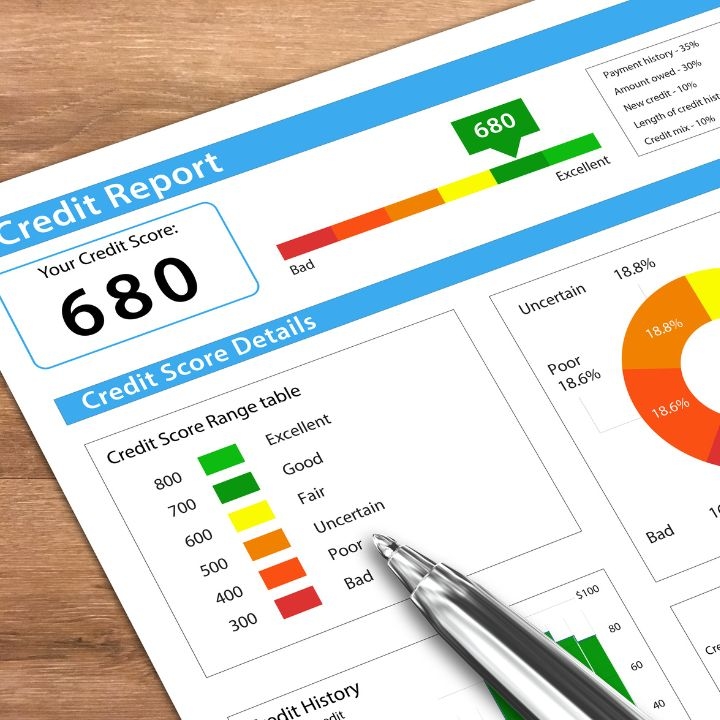
This new, comprehensive method of analyzing consumer credit reports will make borrowing easier for consumers. Their scores could improve by about 25 points. While this revision will enhance the position of those with previously poor credit scores, it does not guarantee approval. Instead, it will influence the terms of the approval.
This revision to the nation's dominant credit report system may improve the borrowing position of millions of U.S. consumers. Although it will be very beneficial, it may take a while for lenders to transition to this system. In addition to these changes, FICO's revision will prioritize more recent financial behaviors. For example, if a consumer has financial troubles but has since established a consistent pattern of paying bills on time, that positive behavior will carry more weight. This shift reflects a more realistic understanding of financial hardships and recovery, giving consumers a fairer opportunity to prove their creditworthiness over time. This shift also underscores the importance of financial literacy in navigating the evolving credit system. By understanding how factors like medical debt and payment history are now assessed, individuals can make more informed decisions about their finances.
While these updates are encouraging, consumers should remain mindful of their credit health. Maintaining good financial habits, such as paying off debts and low credit utilization, remains essential. As FICO implements these new criteria, it's important to remember that every lender has its unique approach to assessing creditworthiness. However, these revisions mark a significant step towards a more compassionate and accurate credit scoring system.
We intend this content for educational purposes only.
Our lawyers at KAASS LAW, located in Glendale, Los Angeles, California, practice law exclusively in California.
Having the police present to take a report helps ensure you receive all the information you need.
4. Do not refuse to go see a doctor
You may not experience pain at the moment, but oftentimes, pain may gradually appear after some time. Seeing a doctor can help ensure that you will not suffer from pain in the future.
5. Do not talk to the insurance company or the other driver’s attorney
It is important to consult your attorney before stating the accident. An experienced attorney can help ensure you are not wrongfully blamed for an accident for which you were not liable.
Common Types of Car Accident Injuries
Car accidents can result in a wide range of injuries, varying from minor cuts and bruises to more severe, life-altering conditions. The type and severity of injuries often depend on factors such as the speed of the vehicles involved, the use of seatbelts, the point of impact, and the overall health of the individuals involved. Understanding the common types of car accident injuries can help you recognize the importance of seeking prompt medical attention and ensure you take the necessary steps for recovery. Here are some of the most common injuries people sustain in car accidents:
1. Whiplash
Whiplash is one of the most frequent injuries in car accidents, especially in rear-end collisions. It occurs when the head and neck are suddenly jolted forward and then snapped back, causing strain or damage to the soft tissues, including muscles, ligaments, and tendons in the neck. Symptoms of whiplash may include neck pain, stiffness, headaches, and dizziness, and they can sometimes take hours or even days to manifest fully.
2. Traumatic Brain Injuries (TBI)
Traumatic Brain Injuries can occur when the head strikes an object, such as the steering wheel, dashboard, or window, or from a violent jolt that causes the brain to collide with the skull. TBIs range from mild concussions to severe brain damage that can result in long-term cognitive, physical, and emotional impairments. Symptoms may include headaches, confusion, memory loss, dizziness, and changes in behavior or personality.
3. Broken Bones
The impact of a car accident can easily result in broken bones, particularly in the arms, legs, ribs, and collarbone. The force exerted on the body during a collision can cause bones to fracture or break completely. Depending on their severity, these injuries may require immobilization, surgery, and extensive rehabilitation.
4. Spinal Cord Injuries
Spinal cord injuries are among the most serious outcomes of a car accident, potentially leading to partial or complete paralysis. Damage to the spinal cord can occur if the vertebrae are fractured or dislocated, compressing or severing the nerves that run through the spine. Immediate medical attention is crucial for anyone suspected of having a spinal cord injury, as prompt treatment can significantly impact the outcome.
5. Soft Tissue Injuries
Beyond whiplash, car accidents often result in other soft tissue injuries, such as sprains, strains, and contusions. These injuries involve the muscles, tendons, and ligaments and can lead to pain, swelling, bruising, and limited mobility. While they might not be as immediately apparent as more severe injuries, soft tissue injuries can cause chronic pain and require physical therapy for full recovery.
6. Internal Injuries
Internal injuries, including damage to organs such as the liver, spleen, or lungs, are often life-threatening and may not be immediately noticeable. The force of a collision can cause internal bleeding, organ rupture, or other critical conditions that require emergency medical intervention. Symptoms might include abdominal pain, dizziness, fainting, and shortness of breath.
7. Cuts and Lacerations
Broken glass, metal, and other debris can cause cuts and lacerations during a car accident. While some cuts may be minor and only require basic first aid, others can be deep and necessitate stitches or more extensive medical treatment. Severe lacerations can also lead to scarring or infection if not properly cared for.
Different cases lead to different types of court judgments. Here are some common types:
Monetary Judgments: A judgment requiring one party to pay a specific amount of money to another. This is the most common type of judgment in civil cases.
Declaratory Judgments: A judgment clarifying the legal rights of the parties involved. These judgments do not necessarily result in any action but simply define rights and obligations.
Injunctions: A court order requiring a party to do or stop doing something. Injunctions can be temporary or permanent.
Default Judgments: A judgment entered when one party fails to respond or appear in court, often resulting in a ruling in favor of the other party.
Criminal Cases
In criminal cases, court judgments often result in penalties like imprisonment, fines, or probation. These judgments can have serious long-term consequences, affecting not only your criminal record but also future employment prospects. For example, a conviction for a crime such as theft, assault, or driving under the influence (DUI) can lead to significant legal penalties and a permanent criminal record. A criminal court judgment typically includes sentencing, such as the length of prison time, probation, or a fine. These penalties can also include restitution, which requires the defendant to pay back the victim for any losses incurred as a result of the crime.
Civil Cases
In civil cases, court judgments typically involve financial compensation or other remedies. For example, if you’re sued for a breach of contract, the court may order you to pay the plaintiff a certain amount of money. Civil court judgments can also apply in cases of personal injury claims, property disputes, or family law matters such as divorce and child custody. Monetary judgments in civil cases may include not only compensation for damages but also interest and court costs. If you lose a civil case, the court judgment may require you to pay these amounts, and failure to do so may result in further legal actions, such as asset seizure or wage garnishment.
What to Do If a Court Judgment Is Entered Against You
If a court judgment is entered against you, it’s important to take action. Here’s how you can respond:
Consult an Experienced Attorney: A skilled attorney can help you understand the court judgment and evaluate your options. Having legal guidance is essential when navigating the complexities of court judgments in California.
Consider Filing an Appeal: If you believe the court made a mistake, you may file an appeal. Be mindful of the deadlines for filing appeals in California, as they are typically quite strict. A successful appeal could result in the judgment being overturned or modified.
Request a Release of Judgment: If the judgment involves monetary compensation and you’ve paid the required amount, you can request a release of judgment to improve your credit score. This shows that the debt has been satisfied, and the judgment is no longer outstanding.
Challenge a Default Judgment: If a default judgment was issued because you didn’t appear in court, you may have the option to set it aside. This is possible if you can prove that you were not properly notified about the case or that there were other valid reasons for your absence.
How Court Judgments Impact Your Credit
Unpaid court judgments can severely affect your credit score, making it more difficult to secure loans, credit, or rental housing. A judgment can remain on your credit report for up to seven years, which could influence potential lenders and landlords. Paying off the judgment or negotiating a settlement can help resolve the matter and improve your credit report. If you fail to pay the judgment, the creditor may take further steps to collect the debt, such as placing a lien on your property or garnishing your wages. This can complicate your financial situation and prevent you from obtaining new credit or loans.
The Importance of Acting Quickly
Time is crucial when dealing with court judgments. Failing to act within the deadlines for filing appeals or requests may make the judgment final, limiting your ability to contest it. If you miss deadlines, you may lose the opportunity to appeal or challenge the judgment, and the debt may become much harder to resolve. If you fail to act, the judgment could also trigger more serious actions, such as wage garnishments, liens, or asset seizures. The earlier you seek legal assistance, the better your chances of resolving the matter in your favor. For more information on what to do after receiving a judgment, check out the California Courts website.
Contact KAASS LAW for Legal Assistance
If you’ve received a court judgment in California, it’s essential to understand your rights and options. At KAASS LAW, our team of experienced attorneys is here to help you navigate the complexities of court judgments, whether you're filing an appeal, challenging a default judgment, or seeking a release of judgment. Time is critical, so contact us today to schedule a consultation.
Employees vs. Independent Contractors: Some employers will simply label their employees as independent contractors for the tax benefits, but then treat them as employees for all practical purposes. Such misclassification of employees can have serious legal consequences for employers.
Intellectual Property Disputes: All businesses hinge on intellectual property to conduct commerce. For example forms and client sheets may be considered intellectual property worth a great amount of money for the business. You need to consider how to protect this from competitors and sometimes even your own staff.
Startup vs Small Business
A startup is a company in the early phases of its development, known for its innovative business model and potential for quick expansion. Often technology-driven, it encourages high levels of creativity and innovation. On the other hand, a small business is usually operated by its owner. They adhere to a more conventional business model, concentrating on offering products or services to a particular local market.
Business Model
Startups aiming to disrupt the industry frequently look to alter the current situation. They emphasize creating new technologies or products that can be rapidly expanded. Conversely, small businesses usually stick to a more conventional business model, focusing on delivering products or services to a particular local market.
Growth Potential
Startups typically have a greater capacity for growth compared to small businesses. They often concentrate on creating a product or service that can be expanded rapidly and has substantial market opportunities. Conversely, small businesses generally have restricted growth potential, focusing on a specific local market.
Legal Structure
Startups and small businesses can have different legal structures. To protect liability and attract funding, startups are frequently organized as corporations or LLCs. In contrast, small businesses are commonly organized as sole proprietorships or partnerships.
Taxes
Startups and small businesses should also consider taxes. Startups might qualify for tax incentives or credits to promote expansion and progress. While small businesses might have a simpler tax framework as they concentrate on a particular local market.
Team Size
The number of team members in startups is usually smaller than that in small businesses. Startups tend to concentrate on creating innovative technologies or products, necessitating a compact group of highly proficient personnel. Conversely, small companies generally employ a larger workforce to deliver products or services to a local market.
Time to Profitability
Startups take longer to become profitable than small businesses because they are dedicated to developing new technologies or products, which may require longer to bring to market and expand. In contrast, small businesses generally achieve profitability more quickly because they concentrate on a specific local market and can generate revenue rapidly. Do not hesitate to contact KAASS LAW if you have questions about California Startup or Small Business laws or discuss your case confidentially with one of our experienced attorneys.
Federal law caps your liability at $50 if someone steals your credit card, regardless of the unauthorized charges. Additionally, federal law protects you from liability for any unauthorized charges if you report the theft of your physical card or credit card account number before any charges occur. It's essential to thoroughly review the terms and conditions outlined in your cardholder agreement. As a responsible cardholder, promptly inform the issuer if your credit card is lost or stolen. This quick response can help prevent additional unauthorized expenditures. This advance notice will provide the issuer with the opportunity to assist you in the following ways:
Confirm whether and where fraudulent activity has taken place.
Eliminate unauthorized charges from your credit card account.
Terminate your account to prevent any future fraudulent charges.
Provide you with a new card and account number.
The Fair Credit Billing Act is a powerful tool for consumers. It allows you to dispute a charge with your card issuer within 60 days of receiving your credit card bill. The charge must exceed $50 to qualify for dispute and may be unauthorized, have an incorrect date or amount, or contain calculation errors. You can also dispute charges for undelivered goods or services. Once a complaint is received, the issuer must acknowledge it within 30 days and complete the investigation within two billing cycles. During this period, the issuer cannot attempt to collect the payment, charge interest on it, or report it as late to credit bureaus. However, these restrictions only apply to the disputed payment; other charges made in the same billing cycle may still accrue interest and be reported as late if unpaid.
Conclusion
If your bank refuses to cover your losses in the event of fraudulent activity, it may be breaking the law. Additionally, it may break the law if it submits the fraudulent account for collection against you or reports it negatively to the Credit Reporting Agencies.
If you suspect a violation of your consumer rights, contact an experienced consumer protection attorney at KAASS LAW for more information.