Parking Lot Accidents: Who Is Responsible for the Collision?
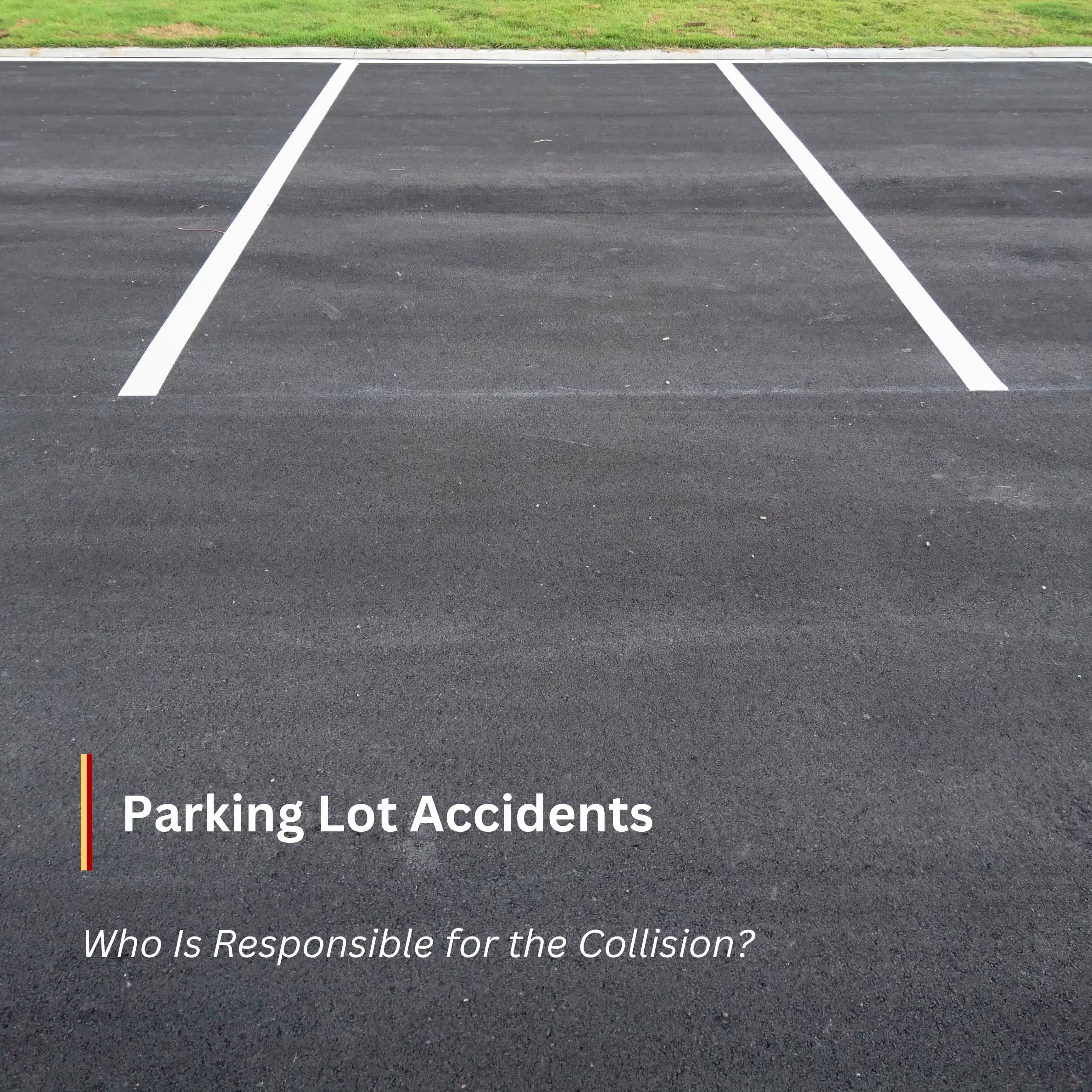
Parking lots may seem safer than busy streets because vehicles usually travel at lower speeds. However, parking lots create their own set of hazards. Drivers may be backing out of spaces, searching for parking, turning through narrow lanes, or watching for pedestrians at the same time. Limited visibility and vehicles moving in multiple directions can quickly lead to a collision. Understanding common parking lot accident scenarios can help drivers know what information may be important after a collision.
Who May Be at Fault?
Fault in a parking lot accident usually depends on the specific circumstances surrounding the collision. Investigators, insurance companies, and attorneys may consider where each vehicle was located, which direction each vehicle was traveling, whether either vehicle was backing up, and whether traffic signs or pavement markings were present. In addition, drivers have a responsibility to operate their vehicles with reasonable care. Even when a driver has the right-of-way, that does not necessarily eliminate the responsibility to use reasonable care to avoid a collision.
How A Parking Lot Accident May Occur
Parking lot collisions can happen in many different ways. Some of the most common situations may include, but are not limited to, the following.
A Driver Backs Into a Moving Vehicle
A driver backing from a parking space should check the surrounding area and determine whether it is reasonably safe to proceed. Depending on the circumstances, a backing driver who enters the path of another vehicle may be found responsible for causing the collision.
Two Vehicles Back Out at the Same Time
These accidents can be more complicated because both drivers may have had a responsibility to observe their surroundings before and while backing. Evidence such as surveillance footage, witness statements, vehicle damage, and photographs may help determine how the collision occurred.
A Vehicle Pulls Out of a Parking Space
The driver entering the travel lane should look for approaching vehicles before proceeding. Additionally, a driver traveling through the parking lot should remain alert for vehicles, pedestrians, shopping carts, and other potential hazards.
Accidents at Parking Lot Intersections
Drivers should pay attention to posted signs, pavement markings, and surrounding traffic. When determining responsibility after an intersection collision, the location of the impact and the movements of both vehicles may be important.
Pedestrian Accidents in Parking Lots
Drivers should watch carefully for pedestrians while entering, exiting, and traveling through parking areas. Pedestrians should also remain alert because drivers may have limited visibility while backing out.
Comparative Fault
California follows a comparative negligence system, meaning responsibility for an accident may potentially be divided among multiple parties. For this reason, parking lot accident claims should be evaluated based on their individual facts rather than assuming one driver is automatically responsible.
Important Pieces of Evidence
Since parking lot collisions often involve disagreement about who moved first or who had the right-of-way, collecting evidence can be important. Useful information may include, but is not limited to, the following.
- Photographs of the vehicles and surrounding area
- Video recordings
- Witness contact information
- Insurance information
- Incident reports
- Documentation of vehicle damage
The Steps to Take after A Parking Lot Accident
After a collision, it may be crucial to first decide whether anyone needs medical assistance. If necessary, victims should also consider contacting emergency services. When it is safe to do so, individuals should exchange contact information, driver's license, vehicle, and insurance information with the other driver. Take photographs of the vehicles before they are moved if doing so can be accomplished safely. It may also be beneficial to take photos showing where the vehicles were positioned, nearby parking spaces, traffic signs, and lane markings. If witnesses saw the collision, consider obtaining their names and contact information. When an accident results in injuries, significant property damage, or disagreement about responsibility, additional legal or insurance issues may also occur.
Types of Injuries
Although parking lot collisions often happen at relatively low speeds, injuries are still possible. Depending on the circumstances, occupants or pedestrians may experience neck or back injuries, soft-tissue injuries, fractures, head injuries, or other conditions. Some symptoms may not be immediately obvious. Anyone experiencing pain or other concerning symptoms after an accident should consider seeking appropriate medical evaluation. Medical records may also document the nature and timing of injuries associated with the collision.
Seeking Legal Support
A parking lot accident can involve questions about negligence, insurance coverage, property damage, injuries, and comparative fault. Determining responsibility may require reviewing more than the drivers' statements. An attorney evaluating a parking lot accident may review photographs, surveillance footage, witness statements, medical documentation, insurance information, vehicle damage, and other available evidence.
The Legal Team at KAASS LAW
KAASS LAW can assist individuals with personal injury matters, including parking lot accidents. When evaluating a parking lot accident, the firm can review the circumstances of the collision and available evidence to help determine what legal options may be available. Call KAASS LAW today to discuss your potential options moving forward.
Related Articles
View All Posts
Learn about common causes of car accidents, frequently reported injuries, and legal considerations for people injured in California crashes.
Learn about common causes of distracted driving accidents, potential injuries, liability issues, and legal options available in California.
Learn about common rear-end collision injuries, possible causes, liability issues, and legal options available after a California crash.