Intersection Accidents: Who May Be Liable for Your Injuries?
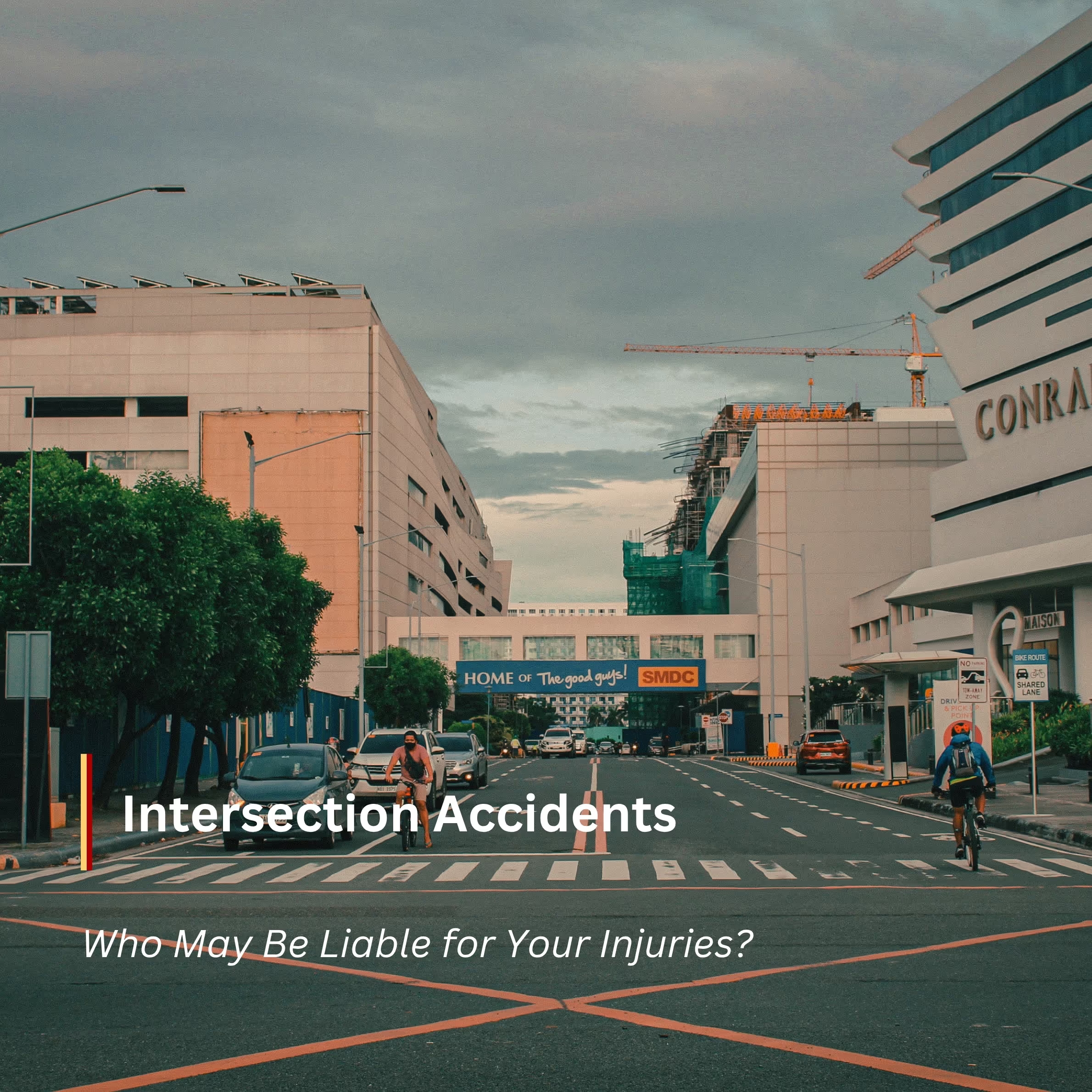
Intersections are among the most challenging areas of the road for drivers, pedestrians, and cyclists. Drivers who may be distracted or speed through intersections can cause significant harm to themselves and those around them. Understanding how fault is evaluated can help injured individuals make informed decisions about their legal rights and available options.
What can cause an Intersection Accident?
Some common causes of an intersection accident may include but are not limited to the following.
- Running red lights: Drivers who enter an intersection during a red light may collide with vehicles traveling through
- Failing to yield: Drivers who break right-of-way rules may cause accidents involving other vehicles, pedestrians, or cyclists
- Distracted driving: Using a cellphone, adjusting navigation systems, or engaging in other distractions can prevent drivers from noticing traffic signals or approaching vehicles
- Unsafe left turns: Drivers making left turns may misjudge the speed or distance of oncoming traffic
- Speeding: Excessive speed can reduce reaction time and make it more difficult to stop when traffic conditions change
- Impaired driving: Alcohol, drugs, and certain medications can affect judgment, coordination, and reaction time
Some vehicle collisions also involve obstructed visibility, malfunctioning traffic signals, or poorly maintained roadways. Identifying the circumstances surrounding an accident is an important part of determining potential liability.
Who May Be Held Accountable after an Intersection Accident?
Liability usually depends on whether a person or entity acted negligently and whether that behavior contributed to the accident and injuries.
1. A Driver Who Violated Traffic Laws
A driver who runs a red light, ignores a stop sign, or fails to yield may be responsible for an intersection collision. Violating a traffic law may be important evidence when determining negligence.
2. A Distracted or Reckless Driver
Drivers have a responsibility to operate their vehicles with reasonable care. A driver who texts while driving, travels at an unsafe speed, or fails to observe surrounding traffic may contribute to a collision. Evidence such as witness statements, available video footage, and vehicle information may help establish whether the driver's overall behavior contributed to the accident.
3. Multiple Drivers
Some intersection accidents involve more than one negligent driver. In these situations, liability may be divided based on each party's contribution to the collision. California follows a comparative negligence system, meaning an injured person's compensation may be reduced according to their percentage of responsibility.
4. Government Entities Responsible for Road Conditions
In certain situations, a dangerous roadway condition may contribute to an intersection accident. Examples may include malfunctioning traffic signals, obstructed visibility, or unsafe intersection designs.
Preserving Important Pieces of Evidence and Documentation
Establishing fault often requires examining several types of evidence. These may include, but are not limited to, the following.
- Police reports
- Witness statements
- Traffic camera footage
- Dashcam recordings
- Photographs and videos
Types of Injuries After an Intersection Accident
Intersection accidents can cause many types of injuries, especially when vehicles hit each other from the side or at higher speeds. Common injuries may include, but are not limited to, the following.
- Whiplash and other neck injuries
- Back and spinal injuries
- Broken bones and fractures
- Head injuries and traumatic brain injuries
- Shoulder, hip, and knee injuries
- Internal injuries and soft tissue damage
Types of Compensation
Individuals injured because of another party's negligence may be eligible to pursue compensation under California law. Depending on the circumstances, recoverable damages may include but are not limited to the following.
- Medical expenses
- Future treatment costs
- Lost income
- Reduced earning capacity
- Property damage
- Pain and suffering
It is important to understand that the availability and amount of damages depend on factors such as the nature of the injuries, supporting evidence, and applicable insurance coverage.
The Important Steps to Take After an Intersection Accident
Taking appropriate steps after a collision may help protect your health and preserve important information. Victims should consider the following after being involved in an intersection accident.
- Seek medical attention when necessary and contact emergency services if anyone is injured
- Photograph the vehicles, roadway, traffic signals, and surrounding intersection
- Obtain contact and insurance information from all parties and identify any witnesses
- Keep copies of medical records, repair estimates, insurance information, and other documents related to the accident
- Avoid making assumptions about fault before the necessary facts are established
Seeking Legal Support and Guidance
After an intersection accident, victims should consider speaking to a personal injury attorney to better understand their rights and responsibilities moving forward. Oftentimes, intersection vehicle collisions may present unique legal and insurance challenges that may be difficult to understand alone.
The Qualified Personal Injury Attorneys from KAASS LAW
The legal team at KAASS LAW is ready to help individuals who have suffered injuries from an intersection accident. We may review the facts surrounding your case, speak to insurance companies, and preserve important pieces of evidence moving forward. If you have been involved in an intersection accident, you are not alone. Call KAASS LAW today for a confidential consultation and to discuss your potential options.
Related Articles
View All Posts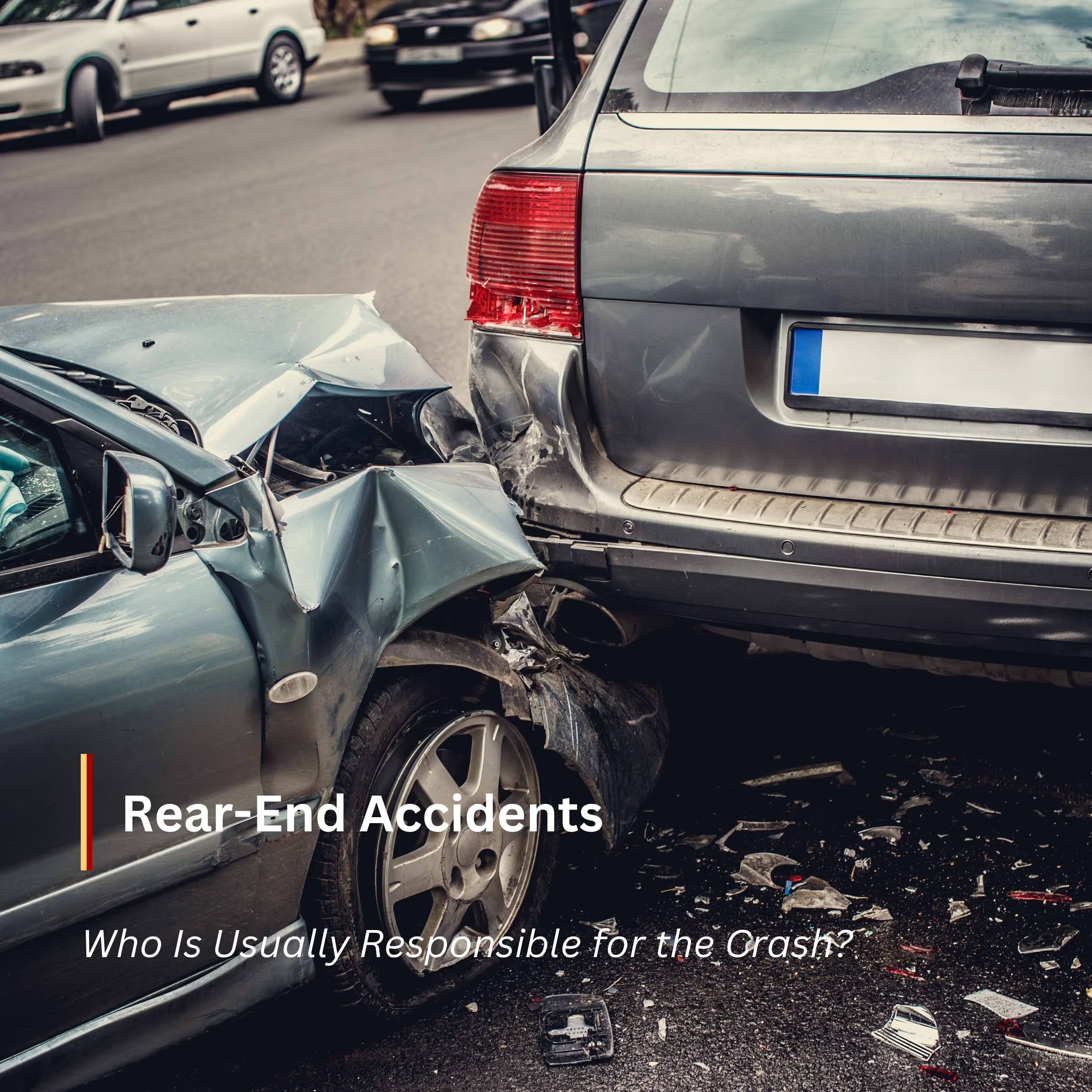
Learn who may be responsible for rear-end accidents in California, when fault may be shared, and what injured drivers should know about liability.
Learn who may be responsible for parking lot accidents in California, how fault is determined, and what evidence may help after a collision.
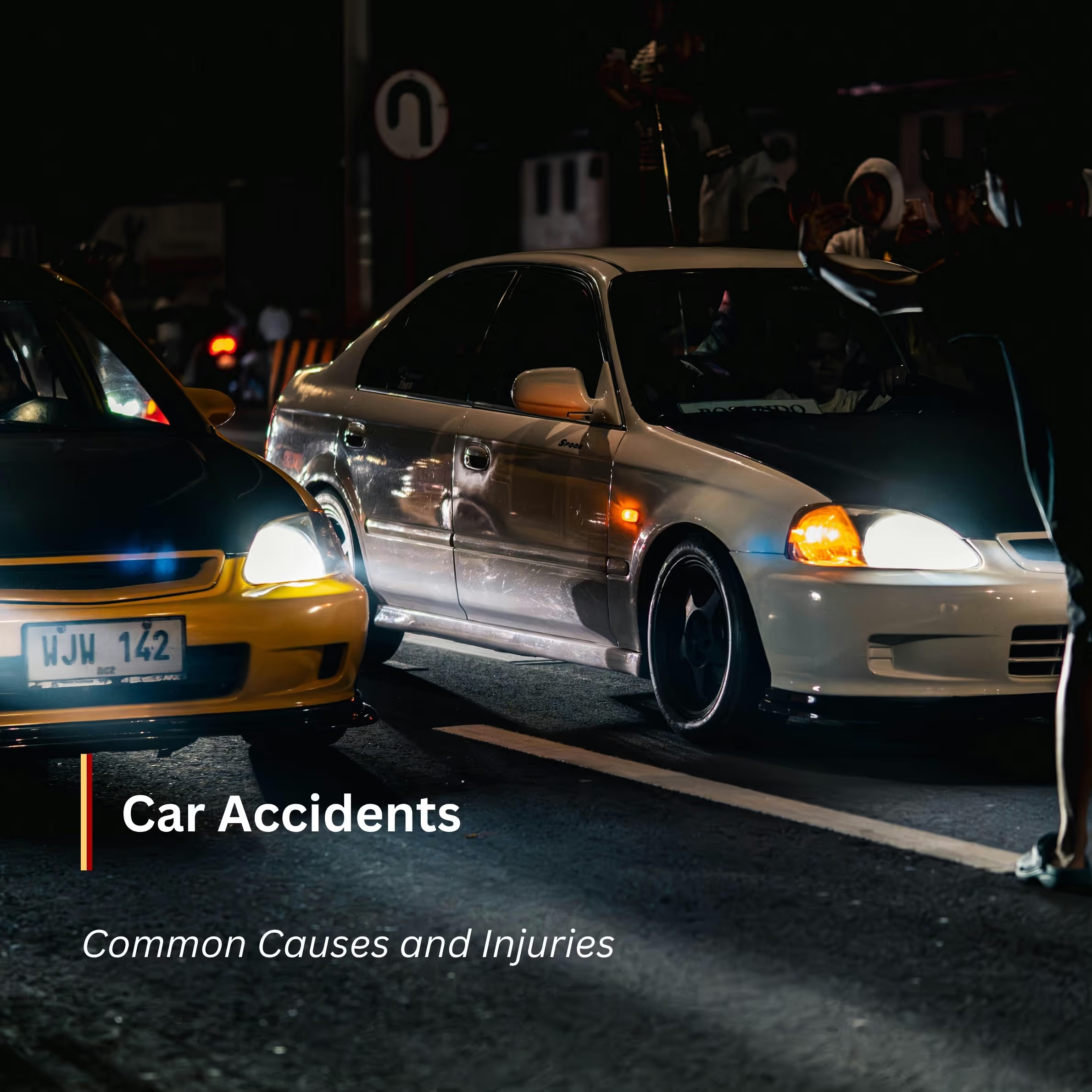
Learn about common causes of car accidents, frequently reported injuries, and legal considerations for people injured in California crashes.