Car Accidents: Common Causes and Injuries
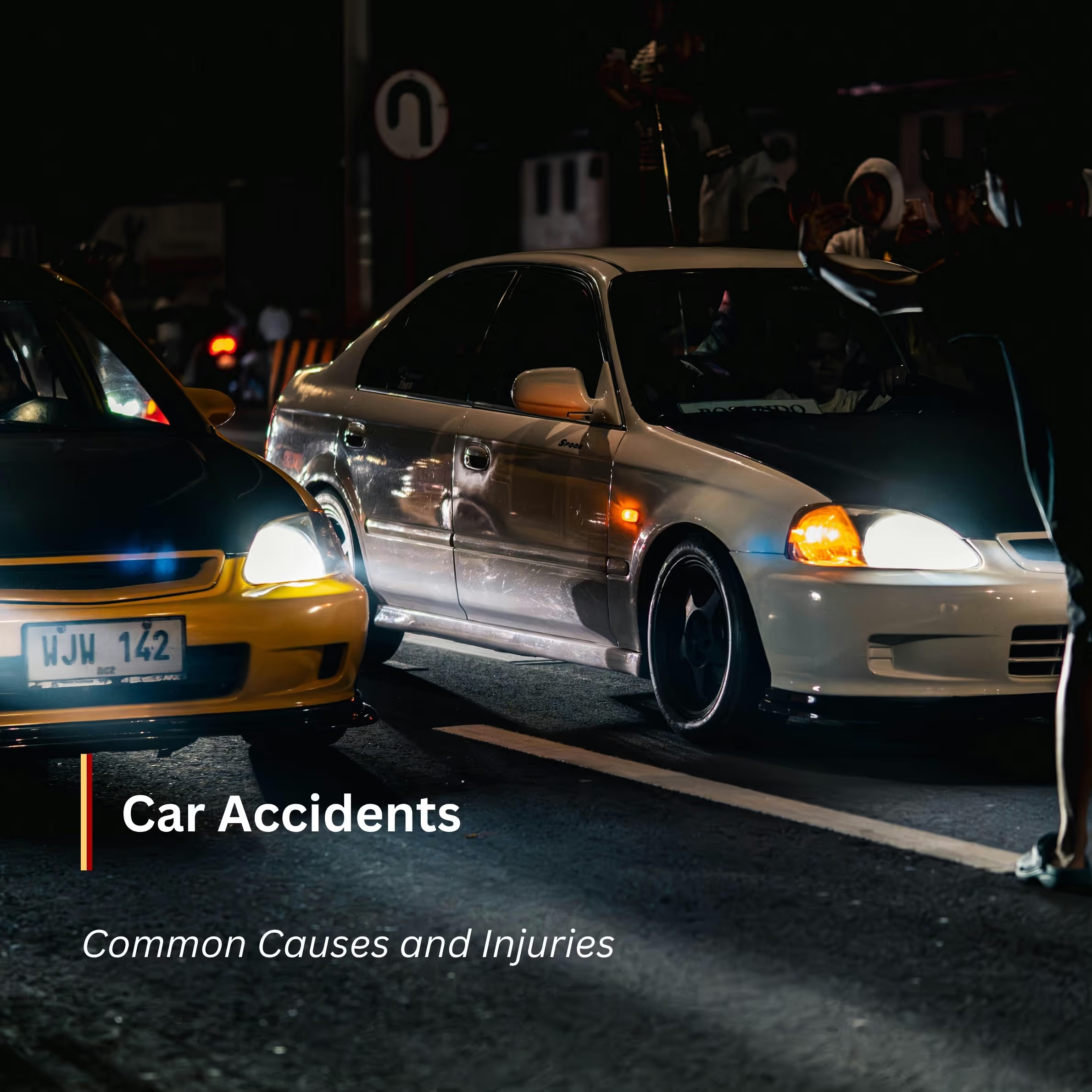
Car accidents can happen in a matter of seconds, but their effects may last long after the vehicles leave the scene. A collision may result in physical injuries, vehicle damage, medical expenses, time away from work, and questions about insurance and legal responsibility. Even accidents that initially appear minor can sometimes lead to symptoms that become noticeable hours or days later. Understanding the common causes of car accidents and the types of injuries associated with them can help drivers recognize hazards on the road and make informed decisions after a collision.
How a Car Accident Can Occur
Car accidents occur for many reasons, and more than one factor may contribute to a collision. The California Department of Motor Vehicles identifies driver distraction, unsafe speed, improper turns, failure to follow right-of-way rules, failure to obey traffic signals and signs, driving on the wrong side of the road, and traveling at a speed inconsistent with the flow of traffic among common causes of collisions.
Distracted Driving
Distracted driving happens when a driver's attention is taken away from safely operating the vehicle. Texting, using a phone, adjusting navigation, eating, and interacting with passengers can all reduce a driver's ability to react to changing traffic conditions.
Speeding and Unsafe Speed
Driving too fast can reduce the amount of time available to respond to hazards. It can also increase the force involved in a collision. In addition, unsafe speed does not always mean exceeding the posted speed limit. Depending on the circumstances, a driver may need to travel below the posted limit because of heavy traffic, poor visibility, weather, construction, or road conditions.
Failure to Yield
Right-of-way violations may contribute to accidents at intersections, crosswalks, freeway entrances, and parking areas. A vehicle collision may occur when a driver fails to yield while making a turn, entering traffic, or approaching a pedestrian or another vehicle with the right of way.
Improper Turns and Lane Changes
Drivers are expected to check their surroundings before turning or changing lanes. Failing to check mirrors or blind spots, turning from the wrong lane, or changing lanes without enough space may contribute to a car accident.
Driving Under the Influence
Alcohol and drugs can affect judgment, coordination, reaction time, and perception. A driver whose ability to safely operate a vehicle is impaired may have difficulty staying in a lane, recognizing hazards, or responding appropriately to traffic conditions.
Fatigued Driving
A tired driver may have slower reaction times and reduced concentration. Fatigue can be especially concerning during long trips, overnight driving, or situations in which a driver has not had adequate rest.
Weather and Road Conditions
Rain, debris, poor lighting, construction, damaged pavement, and other roadway conditions can increase accident risks. Drivers usually need to adjust their speed and driving behavior for the specific conditions they come across.
Types of Injuries after a Vehicle Collisions
The injuries associated with a car accident vary significantly depending on factors such as the direction and force of impact, vehicle type, seat belt use, airbag deployment, and the health and age of the occupants. The following injuries may occur after a vehicle collision.
- Neck and whiplash injuries
- Back and spinal injuries
- Head and brain injuries
- Broken bones
- Soft-tissue injuries
- Cuts and bruising
- Psychological effects
The Necessary Steps to Take After an Accident
Safety should be the immediate priority following a collision. If someone is injured, emergency assistance may be necessary. When circumstances permit, drivers should exchange identifying and insurance information and document relevant details about the accident. Photographs of vehicle damage, roadway conditions, traffic signs, and the surrounding area may also help document what occurred. Contact information for witnesses may be useful when there is disagreement about how the accident happened. Individuals experiencing pain or other symptoms should consider seeking appropriate medical attention.
Who is Liable after a Car Accident?
Liability depends on the specific facts of each collision. Evidence may include, but is not limited to, the following.
- Police reports
- Witness statements
- Medical records
- Video footage
- Vehicle damage
- Traffic laws
- Other available information
In some accidents, more than one person may share responsibility. California law recognizes comparative fault principles and how the percentage of fault can affect responsibility for certain damages. California law also recognizes economic damages, such as medical expenses and lost earnings, and noneconomic damages such as pain, suffering, inconvenience, and emotional distress.
Speaking to a Legal Professional
After an accident, an injured person may have questions about insurance coverage, medical expenses, vehicle repairs, lost income, or responsibility for the incident. Legal deadlines may also apply. Since the applicable deadline can depend on the parties involved and the nature of the claim, individuals with questions about their specific circumstances may wish to seek legal guidance as soon as possible.
The Legal Team at KAASS LAW
KAASS LAW may help victims and their loved ones understand the steps to take after suffering injuries from a car accident. Our legal team is determined to help individuals understand the complexities of the claims process. We may also be able to communicate with insurance companies, preserve necessary pieces of evidence, and explain legal options that may be available under California law. If you have been involved in a car accident, you are not alone. Call KAASS LAW today for a confidential consultation and to discuss your potential options.
Related Articles
View All Posts
Learn who has the right of way in California left-turn accidents, how fault is determined, and what legal options may be available after a crash.
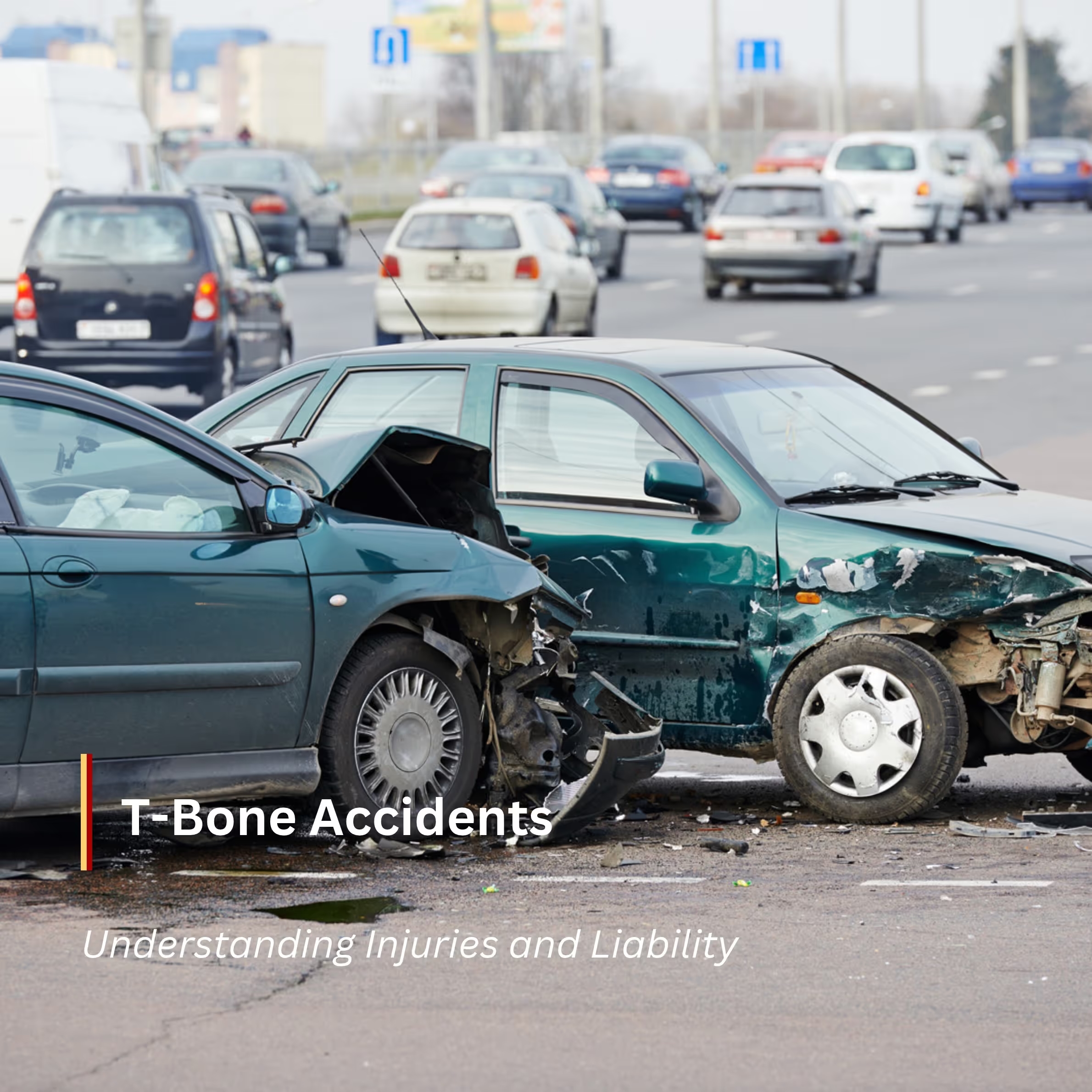
Learn how T-bone accidents happen, common injuries, who may be liable, and what legal options may be available after a California crash.
Learn how defective tires can cause highway crashes, who may be liable for resulting injuries, and what legal options California drivers may have.