A Truck Accident That Caused Wrongful Death
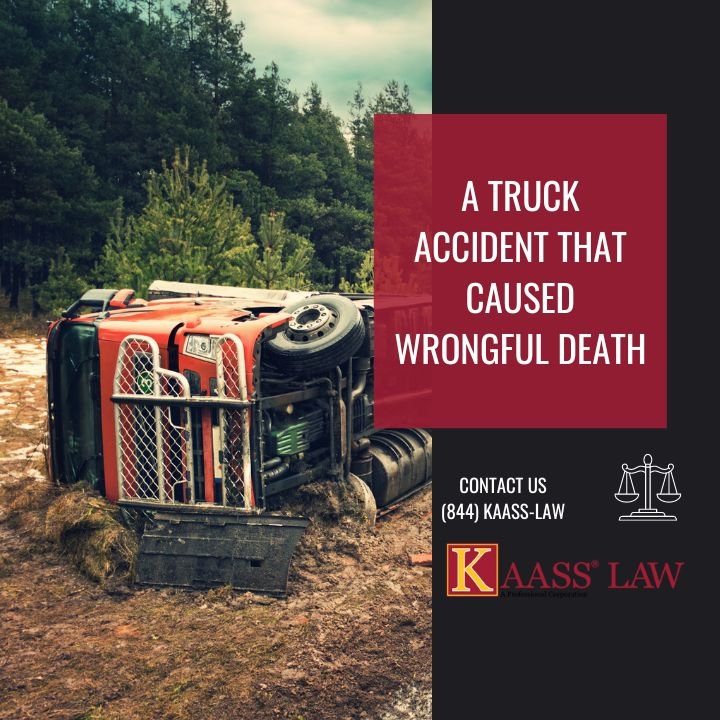
Truck accidents frequently cause fatalities and extremely serious injuries. The weight of a fully loaded commercial vehicle can reach 40 tons, which is 20 to 30 times heavier than the typical modern car. In brief, the size and weight of a tractor-trailer, semi-truck, box truck, or other large freight-bearing vehicle are just insurmountable for passenger cars. Smaller cars sometimes sustain severe injuries when they meet in an accident with a big truck or bus. It's critical to get the advice of an attorney with experience in large truck accidents. The legal team at KAASS Law Firm has decades of experience and the expertise you need to pursue justice for the deceased person.
Common Fatal Truck Accident Types
Nine percent of all heavy truck crashes involve a rollover, which accounts for more than half of all truck driver fatalities. Rollover accidents are highly dangerous for both truck drivers and other road users. Semi-trucks and tractor-trailers are more likely to topple onto their sides. For example, their heavy weight and high center of gravity, turn too rapidly or drive too fast. Blind spots on these cars can potentially result in collisions. The blind spot of a truck is the area that the driver cannot see in their mirrors or with their eyes without rotating their head and looking away from the road in front of them. Of course, the size of a vehicle's blind spot will increase with size. When attempting to merge, pass, or cut in front of traffic, blind spots make it difficult for drivers to detect smaller cars, which can result in collisions or push the smaller vehicle off the road entirely.
Large Truck Accidents and Injuries: Common Causes
Law enforcement and organizations that oversee commercial transportation may launch an investigation after a fatal commercial vehicle accident. These deadly truck accidents frequently have similar pre-accident patterns, which most likely influenced how they turned out. For example, these include:
- Driver Exhaustion
- Driver Omissions
- DUI
- Issues With Load and Freight
- Speeding
- Inadequate Vehicle Maintenance
How Is Liability Established in a Wrongful Death Case Involving a Truck?
Anyone who, through their careless or malicious behavior, led to the victim's death may be included as a defendant in a wrongful death lawsuit. Multiple defendants are frequently included in large truck accident wrongful death lawsuits, including:
- The vehicle's driver
- The transport business
- Owner of the truck
- A person who loads or manufactures freight
- Cargo owner
- Maintenance firm for trucks
- The maker of a damaged automotive component
- A tavern that provided a truck driver with excessive alcohol service
Your lawyer will handle the insurance company negotiations, the accident investigation, and the wrongful death lawsuit.
What Losses Are Covered by Commercial Vehicle Insurance?
A wrongful death lawsuit may provide for the recovery of economic, non-economic, and punitive damages. These damages cover things like the price of pre-death medical care, lost financial support, funeral and burial costs, and more. Your lawyer can propose suing for the following things if the dead was the head of the household and the other occupants depended on their wages to survive:
- Loss of future earnings projections
- Loss of advantages like health insurance or a pension plan
- Loss of inheritance as a result of a person's premature passing
Economic damages may also include the cost of products and services, such as child care, that the victim would have provided for the family if they had survived. Non-economic damages can make up for the victim's suffering before death, the survivors' emotional suffering, and loss of consortium, which is the breakdown of a relationship as a result of one party's passing.
Contact Our Wrongful Death Lawyers for Truck Accidents
To conclude, allow your lawyer to represent you. Honoring the memory of the departed by pursuing a wrongful death claim may even assist in stopping future mistakes of those responsible. Such cases are simply one of our many practices. To begin with, a free consultation, get in touch with the team at KAASS Law right away. Call us now at 310.943.1171.
Related Articles
View All Posts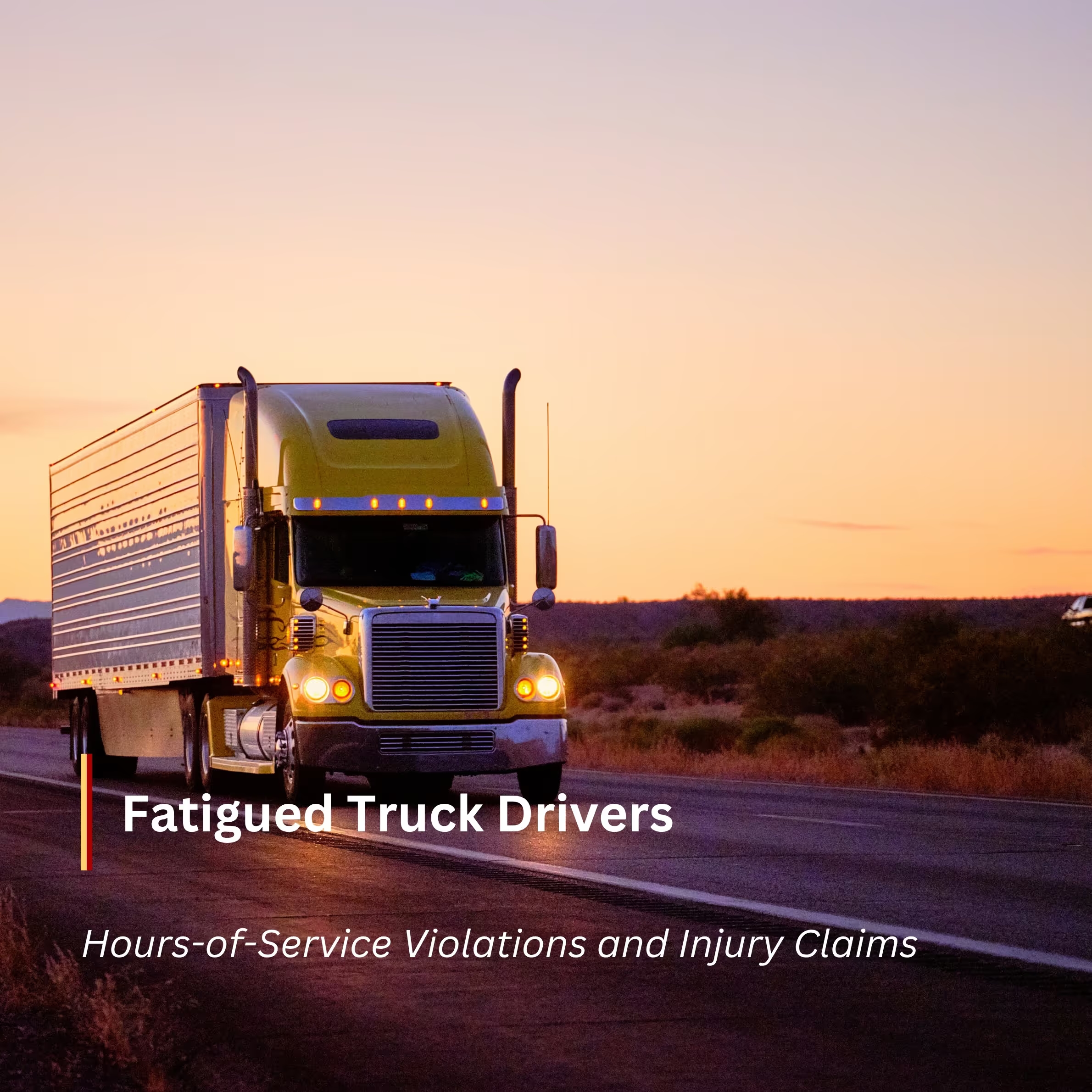
Learn how fatigued truck drivers and hours-of-service violations may affect truck accident injury claims and liability in California.
A Downtown Los Angeles fatal stabbing and vehicle incident raises questions about wrongful death, negligence, and potential civil liability.
What Are California's Clean Car Rules?
Clean Car rules refer to California's vehicle emission standards aimed at reducing air pollution and greenhouse gases. These rules come from the California Air Resources Board (CARB). They require automakers to cut tailpipe emissions and produce zero-emission vehicles like electric or hydrogen-powered cars.
California's program is stricter than federal rules. Over a dozen other states have adopted these standards under Section 177 of the Clean Air Act.
Legal Challenge to Clean Car Standards Gains Traction
Recently, the U.S. Supreme Court allowed a lawsuit against California’s Clean Car rules to move forward. This case was brought by Republican-led states and industry groups. They claim that California's authority to set its own emission rules is unconstitutional.
The main argument revolves around the federal Clean Air Act. It allows California to request a waiver to impose stricter standards. The plaintiffs argue that these waivers create confusion and impose unfair burdens on car manufacturers. Automakers must then meet both federal and California standards.
Supreme Court Declines to Block the Case
The Supreme Court did not rule on the lawsuit’s outcome. Instead, it simply allowed the case to continue in lower courts. This reverses earlier decisions that blocked the case on jurisdictional grounds.
California Attorney General Rob Bonta has promised to defend the rules. Environmental groups also support the Clean Car program, citing public health and climate benefits.
What This Means for Automakers and Consumers
If the challenge succeeds, California might lose its power to enforce stricter emissions rules. Automakers would likely reduce investments in zero-emission vehicles for the California market.
Consumers could see fewer Clean Car options and increased vehicle emissions. If California wins, the state could continue shaping national clean vehicle policy and technology.
Environmental and Health Impacts
Clean Car standards are about more than climate change. They address serious public health concerns. Vehicle emissions worsen smog and trigger asthma and heart conditions, especially in cities.
California suffers from some of the worst air pollution in the U.S. Areas like Los Angeles and the Central Valley are most affected. Clean Car rules aim to reduce the harm caused by millions of vehicles.
To learn more about vehicle pollution and public health, visit the Environmental Defense Fund.
Legal Battle Over State vs. Federal Power
This lawsuit raises big questions about federalism. Should California be able to set stricter rules than the federal government?
The Clean Air Act gives California the right to apply for waivers. That’s because the state has struggled with air pollution for decades.
Opponents argue these waivers give California too much control over national markets. Supporters say they drive innovation and protect public health.
The Trump administration revoked California’s waiver. President Biden later restored it. The back-and-forth has led to legal uncertainty.
Clean Car Standards Drive the Electric Vehicle Future
No matter how this case ends, the shift toward electric vehicles (EVs) is underway. Automakers like Tesla, Ford, and GM are heavily investing in EVs.
Clean Car rules helped build charging infrastructure and encouraged EV adoption. Weakening these rules might slow progress. But market forces and climate goals will likely keep the EV transition moving forward.
KAASS LAW’s Legal Insight
At KAASS LAW, we closely track cases like the Clean Car challenge. Environmental laws affect businesses, consumers, and government entities alike. Our attorneys are ready to help you understand and respond to these legal changes.
Visit our Business Law page to learn how we assist clients with compliance and litigation. We also handle Lawsuits and Litigation in various sectors, including environmental matters.
What Happens Next?
The case returns to lower courts for full litigation. Both sides will present their arguments. A final decision may take years.
Until then, Clean Car standards remain active. Automakers, regulators, and environmental groups will be watching closely. The ruling could reshape national clean air policy.
Conclusion
The Supreme Court’s action allows a high-stakes lawsuit against California’s Clean Car rules to move forward. The outcome will affect state powers, public health, and the auto industry.
Whether you’re a business, consumer, or policymaker, the decisions made in this case could impact you. Contact KAASS LAW to learn how we can help you navigate these evolving legal landscapes.