
Amusement parks promise exhilarating rides, mouthwatering food, and life-long memories. The grim reality is that wrongful fatalities at amusement parks have been a tragic reality for many families, hidden behind the joy and fun.
In amusement parks, "wrongful deaths" occur due to mishaps, carelessness, or broken rides that are located on park property. These mishaps may involve park patrons, staff members, or even outside contractors doing upkeep and development work. These catastrophic occurrences frequently result from mechanical breakdowns, operator error, insufficient safety precautions, and poor maintenance.
With its wide variety of rides and attractions, the amusement park industry is a complicated one. The multidimensional problem of ensuring visitor safety necessitates strict standards and control. Most importantly, in order to improve security in theme parks, these actions are implemented: 1.Regular Inspections: To make sure amusement park rides adhere to safety regulations, regulatory authorities should carry out frequent and thorough inspections. 2.Employee Training: To manage emergencies and uphold guest safety, park employees in charge of managing rides must undergo thorough training. 3.Maintenance: Routine maintenance and repairs of rides are given first priority to avoid mechanical failures that could cause accidents. 4.Transparency: Parks should maintain transparent records of safety inspections and accidents, which should be easily accessible to the public.
Legal action frequently follows a wrongful death at a theme park. Typically, the victim's family file wrongful death lawsuits in an effort to recover damages for their loss. These claims may include funeral and medical costs, lost wages, and pain and suffering. However, taking legal action in such situations may be a difficult and drawn-out procedure as park owners and operators frequently have a substantial financial investment and legal counsel to defend against allegations. Legal action frequently follows a wrongful death at a theme park. These claims may include funeral and medical costs, lost wages, and pain and suffering. However, taking legal action in such situations may be a difficult and drawn-out procedure as park owners and operators frequently have a substantial financial investment and legal counsel to defend against allegations. Cases like this can also go to court. The result of these legal cases may establish significant industry precedents and act as a spur to increase safety precautions. Unjustified deaths at amusement parks overshadowed the usually happy and If you have any further questions please contact us at 310.943.1171 or visit this link.
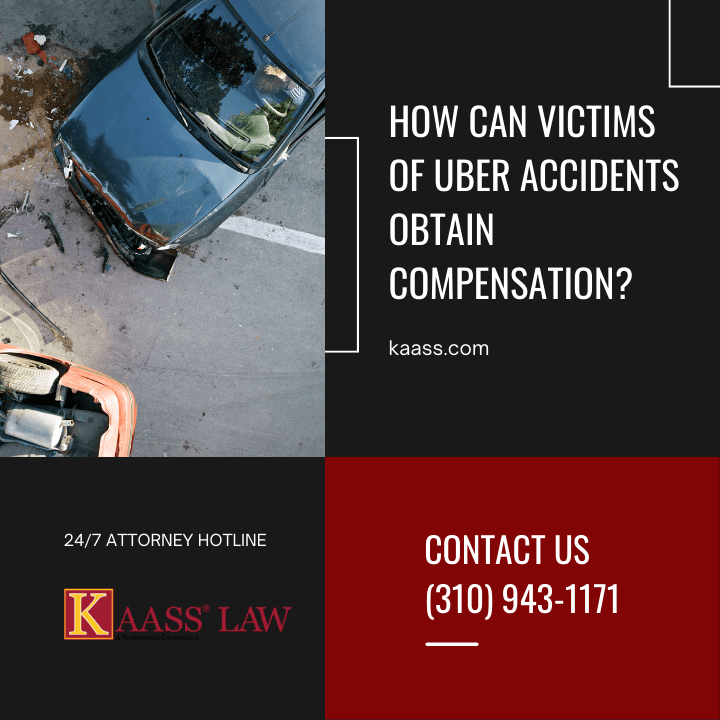
At any moment, a person can be involved in an auto accident. An injured person might not have been a passenger in an Uber car at the time of the accident. Instead, the victim might have been rear-ended by the driver or been injured as a bicyclist, pedestrian, or motorcyclist. An injured victim can file a claim with the Uber driver's insurance policy. Furthermore, an injured party can also file an Uber accident claim with Uber's insurance policy.
In California, the drivers with ridesharing companies are required to carry $50,000 per person and $100,000 per accident in liability insurance along with $30,000 in property damage. The rideshare company also carries $200,000 in extra coverage. The insurance is applicable as long as the driver is logged into the app and looking for a customer request. When the driver accepts a ride and is en route to pick up the customer, the $1 million insurance kicks in.
After the accident's victim must immediately take the following steps to preserve the right to compensation:
The extensive system of highways in our countries is essential to commerce because it guarantees that goods arrive at their destinations on time. The unsung heroes of the transportation business are the truck drivers who operate the enormous trucks that travel these roadways. The psychological effects on truck drivers is generally disregarded, despite the fact that they play a crucial role in maintaining the momentum of our economies. But this error has far-reaching effects, adding to the epidemic of unreported fatalities on our roads.
The solitude that comes with being a truck driver is one of their biggest sources of stress. Long distances from friends and family result from long travel days. Feelings of alienation and loneliness brought on by solitude can exacerbate mental health conditions like anxiety and depression which become the huge psychological impacts on truck drivers that can potentially cause a wrongful death.
The demands of the profession place truck drivers on strict timetables. Drivers' mental health may be compromised by this high-stress atmosphere, which could affect their ability to make wise decisions while driving. Drivers may occasionally turn to dangerous habits like speeding or driving for extended periods of time without stopping, which greatly raises the risk of and unintentional deaths.
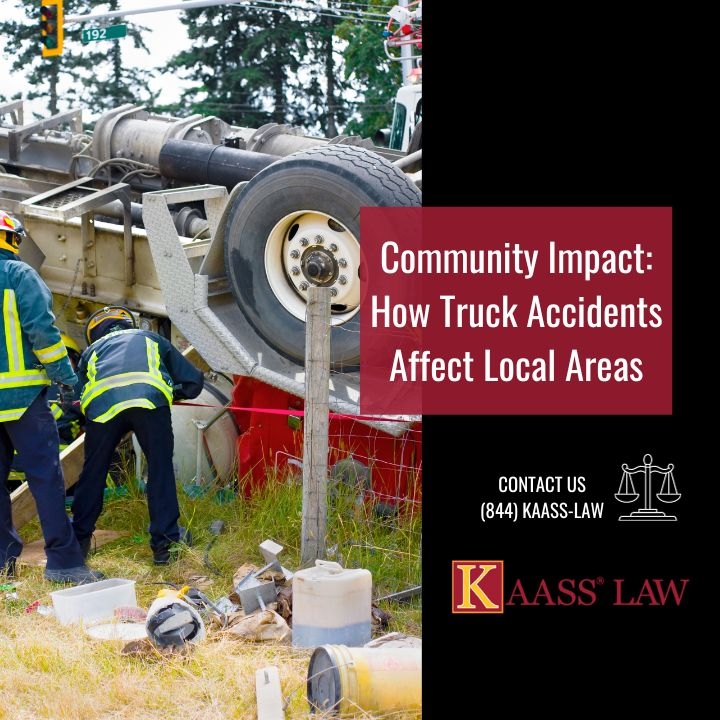
The effects of an occurrence spread far beyond the site across the huge web of interrelated communities that comprise our planet. A truck collision is one such incident that has broad ramifications. These occurrences have a long-lasting effect on the communities they affect in addition to posing an immediate risk to life and property. We will examine the community impact as a result of truck accident in this blog.
The immediate effect of a truck collision is frequently felt in the disruption that it creates to local transportation and traffic patterns. There may be temporary closures or restrictions on highways, roads, and streets, which may cause commuter traffic bottlenecks and delays. When emergency services are called to the scene, resources from other possible emergencies are redirected. These disturbances have the potential to swiftly become serious problems for both locals and businesses in heavily populated areas. The safety risks connected to vehicle accidents are also very serious. Witnesses and community members experience trauma alongside those directly affected, facing the potential for injury or even fatalities. A community's collective memory of the aftermath of such events may remain for a while, creating a sense of vulnerability and unease.
Uber is typically considered a technology company that provides a service of connecting people who want a ride with people who want to drive them around. Using an app is often convenient, quick, and cheaper than using a taxi.
Thus, Uber drivers are not considered employees of the company, rather, they are independent contractors. This is problematic for passengers who are injured in an accident since employers are generally liable for the actions of their employees. Although, it is to be noted that California Assembly Bill AB5 is hoping to provide protection to employees of gig app sharing economy companies such as Uber and Lyft.
If a passenger was hurt in an accident, he must seek prompt medical attention. Even if the passenger doesn’t have pain right away, he can experience symptoms several days after the accident. Under California law, victims of car accidents have a right to recover compensation equal to the full value of caused damages. Passengers can recover for both monetary losses and intangible, noneconomic damages.
An injured passenger involved in an Uber accident may be entitled to the following compensation:
Rooftop wrongful deaths can happen at any moment, often when we least expect them. Some accidents result in minor injuries, while others have catastrophic consequences. Falling from a rooftop is one such example that can lead to wrongful death. In this blog, we will explore the heartbreaking reality of rooftop accidents and the devastating impact they can have on families and communities.
Although rooftops are a common sight, they can be unexpectedly dangerous if not handled with extreme caution. There is always a chance of danger, whether you're a guest taking in the view from the rooftop, a resident doing maintenance, or a builder. Construction Workers: When it comes to accidents on rooftops, construction workers are among the most vulnerable populations. Whether they are constructing new buildings or maintaining and repairing old ones, they frequently have to work at great heights. These kinds of falls can cause fatalities or very serious injuries. Homeowners and Do-It-Yourselfers: Although construction workers receive training on how to work safely at heights, homeowners and do-it-yourselfers might not possess the same degree of skill.
Whenever there is a deadly rooftop accident, issues of liability and legal accountability frequently come up. There are several variables that can have contributed to the disaster, making it difficult to determine who is at fault.

Legal Perspectives on Trucking Wrongful Deaths are as intricate and intensely personal injury law-related as those involving other accidents. Commercial vehicles are incredibly heavy and large, which increases the risk of catastrophic collisions that have terrible repercussions for the victims and their families. We examine important facets of liability, rules, and the difficulties in pursuing justice as we examine the legal viewpoints surrounding trucking wrongful deaths in this blog post.
In any wrongful death lawsuit, determining liability is an essential first step; this also applies to trucking accidents. In these situations, a number of parties may be accountable, including the truck driver, the trucking business, manufacturers, maintenance teams, and even the governments in charge of designing and maintaining the roads. The negligence of the driver is one of the main factors in determining responsibility. Because truck drivers may be involved in accidents, they are subject to stricter regulations than other drivers. Traffic rule infractions, driver weariness, distracted driving, and speeding are common causes of trucking accidents. Examining the driver's logbooks, electronic monitoring systems, and other data that can point to a duty breach are common methods for proving carelessness. In these situations, trucks and their operators are also important players. They might be accountable for the deeds of their drivers, particularly if they neglected to adequately vet, acquaint, or oversee them. Inadequate maintenance or malfunctioning equipment might also indicate carelessness on the part of the trucking firm. Another aspect to think about is product . The manufacturer or distributor may be liable if a malfunctioning truck component or system caused the accident. In these situations, proving culpability might necessitate expert witness testimony and a careful examination of the vehicle's construction and design.
The phrase "wrongful death" conjures up images of bereavement and injustice. When a person's life is brutally cut short owing to the negligence or misbehavior of another party, a wrongful death claim may be filed. There are industry challenges in wrongful death cases. They occur in a variety of industries, each with its own set of obstacles. In this blog, we'll look at wrongful death in certain industries, offering insight on the conditions that persons seeking justice face.
The healthcare industry, which should be synonymous with care and compassion, is not immune to wrongful death in specific industries. Misdiagnoses, surgical mishaps, and medication problems are just a few instances of how things may go horribly wrong in this industry. Families who have lost a loved one may wish to file a wrongful death lawsuit against healthcare providers. These circumstances, however, can be exceptionally difficult.
The necessity to prove fault is sometimes a source of difficulty in healthcare-related wrongful death lawsuits. Medical personnel must adhere to a specific standard of care, and establishing that they did not do so might be difficult. Expert witnesses frequently come upon to assist in establishing that a healthcare provider's activities departed from acceptable norms, resulting in a violation.
Due to their ability to transport persons, equipment, and cargo with ease, work trucks are an essential component of many businesses. The foundation of the construction, transportation, and other industries is made up of these tough vehicles. However, work vehicle accidents are a hidden menace that lurks beneath their sturdy exteriors and practical uses. We'll explore the several facets of work truck accidents in this blog, including their causes, effects, and preventative methods.
Contrary to popular belief, work truck accidents occur often. Numerous types of vehicles, such as delivery vans, dump trucks, tow trucks, and many more, might be involved in these collisions. According to the National Highway Traffic Safety Administration (NHTSA), there are about 5,000 fatal work-related incidents in the US each year. Among these, work trucks account for a sizable fraction, which worries businesses and safety experts.
Developing preventative solutions for work truck accidents requires an understanding of their causes. Among the most typical causes are:
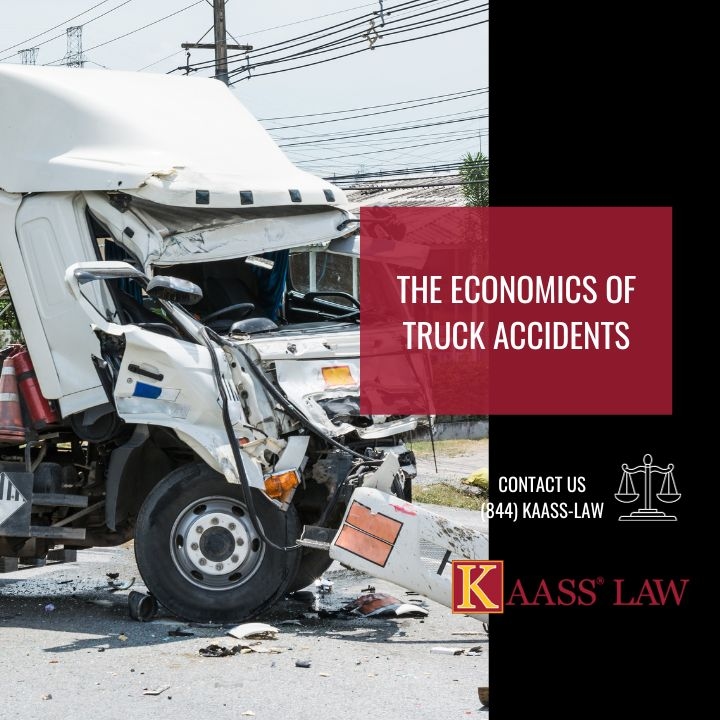
Transporting goods over long distances to satisfy the needs of both businesses and consumers, the trucking industry is essential to the global economy. But along with this vital function comes the possibility of truck accidents, which are not only dangerous for people's lives but also have serious economic repercussions. We examine the expenses incurred, the compensation programs in place, and the overall effects on the trucking industry as we delve into the complex web of economics around truck accidents in this blog post.
Not only do truck accidents cause terrible injuries to people involved, but they also have a negative impact on the economy. There are numerous financial implications, including costs for medical care, property damage, legal fees, and insurance premiums. A major truck collision is expected to cost more than $120,000 on average, according to a report from the Federal Motor Carrier Safety Administration (FMCSA). This startling amount includes both long-term expenses like rehabilitation and missed production as well as immediate costs like emergency response, towing, and medical care. One of the primary contributors to these high costs is the sheer size and weight of commercial trucks. There is a much greater chance of serious injuries and considerable damage to smaller vehicles when there is an accident. This, in turn, leads to more significant medical bills, property repair costs, and potential legal liabilities.
A victim can be entitled to the damages for:
A lawsuit can be the victim’s best bet if the insurance company refuses to approve the claim, fails to extend a fair settlement offer, or if the victim’s injuries are particularly severe.
Victims can file a personal injury lawsuit against a negligent Uber driver. In this case, the injured victim must prove that the Uber driver breached the obligation to keep him safe. The amount of recovery will be limited by what the driver can pay.
Accidents aren’t always caused by Uber drivers. Other drivers, motorcyclists, pedestrians, bicyclists, and even companies responsible for defective products can cause an accident on the road. In California, a victim can recover compensation from anyone who contributed to his injury.
Recovering compensation from Uber through a personal injury lawsuit can be problematic because the Company has fought to ensure that the drivers are independent contractors rather than employees. As drivers aren’t Uber’s employees, it is more difficult to hold Uber personally liable for drivers’ negligence.
If you or a loved one has was injured in an Uber accident, we invite you to contact our Los Angeles Uber accident lawyer at (310) 943-1171 today for a free consultation.
Truck drivers frequently suffer from chronic exhaustion and sleep deprivation as a result of their rigorous and unpredictable schedules. It is impossible to exaggerate the significance of getting enough sleep for cognitive function and response time. Drivers who lack sleep are more likely to experience concentration problems, sluggish reactions, and poor judgment. Mental Illness Distress: Even while truck drivers clearly encounter psychological difficulties, the business as a whole still stigmatizes mental health. Mental health problems that go untreated can worsen and increase the likelihood of mishaps and unintentional deaths. In order to foster a supportive environment where drivers feel comfortable seeking help, it is imperative that the stigma associated with mental health in the trucking business be eradicated.
It's common for truck drivers to lack the assistance and training they need to handle the psychological components of their jobs. Drivers' mental toughness is frequently overlooked, despite the fact that technical proficiency and safety procedures receive a lot of attention. Entire training courses that tackle the psychological aspects of the work and offer coping skills can significantly reduce the number of accidents brought on by mental illness.
To mitigate the psychological impact on truck drivers and reduce the incidence of wrongful deaths, a multifaceted approach is required. First and foremost, industry stakeholders must prioritize mental health by implementing comprehensive training programs, destigmatizing mental health discussions, and providing access to counseling services. Additionally, fostering a sense of community among truck drivers can help combat the isolation that often accompanies the profession. Initiatives that encourage communication, support networks, and camaraderie can contribute to a healthier mental state for drivers, reducing the risk of accidents caused by impaired mental health. The startling number of wrongful deaths on our highways is mostly due to the psychological effects on truck drivers, a factor that is crucial but frequently disregarded. The loneliness, stress, and exhaustion that come with the job can have a detrimental effect on mental health, endangering the safety of other road users as well as drivers. If you have any further questions, please contact us at 310.943.1171 or visit this link.
Beyond the immediate expenses of rescue efforts and property damage, truck accidents have a significant economic impact. Road closures or restricted access may negatively impact local businesses, causing financial losses. For example, supply chain disruptions can result in shortages and financial losses for small enterprises that depend on just-in-time inventory systems. In addition, truck accidents frequently lead to legal action, insurance claims, and heightened regulatory monitoring. Rising insurance costs are a result of these variables for both individuals and businesses in the impacted area. Significant long-term economic repercussions may have a huge community impact on total prosperity.
Truck accidents can result in significant property damage, particularly if hazardous materials are involved. Buildings, infrastructure, and public spaces may be affected, leading to costly repairs. The environmental impact can be severe, especially if the accident involves the spillage of hazardous substances. Chemical spills or leaks from trucks can contaminate soil, water sources, and air, posing health risks to residents. The cleanup efforts required to mitigate environmental damage can be protracted and expensive, affecting the quality of life for everyone in the community. Additionally, the long-term consequences of environmental contamination may impact property values and the desirability of the affected area for residential or commercial purposes.
When faced with such challenges, communities usually demonstrate resilience and the strength of their support systems. Local emergency services, including the police, fire department, and ambulance, must respond to truck accidents. Their actions improve the general security and welfare of the community. Assistance from volunteers, nonprofits, and neighborhood groups is also crucial for those affected by truck accidents. These groups offer a range of services to aid in the process of healing and rehabilitation, including organizing fundraising events for victims and offering counseling. The bonds that establish during trying times can strengthen communities and promote a sense of togetherness.
To mitigate the community impact of truck accidents on local areas, it is essential to focus on preventive measures and community involvement. This includes stricter enforcement of safety regulations for trucking companies, regular maintenance checks for vehicles, and investments in advanced safety technologies. Education and awareness campaigns can also empower communities to be proactive in promoting road safety. Moreover, community members can actively engage in local initiatives aimed at improving infrastructure, implementing traffic management solutions, and advocating for stricter safety standards. By participating in these efforts, individuals contribute to the collective well-being of their community, creating a safer and more resilient environment.
Truck accidents have far-reaching consequences that extend beyond the immediate scene of the incident. From disrupting daily life and commerce to causing economic setbacks and environmental damage, the community impact is significant. However, through collaborative efforts, communities can build resilience, support systems, and preventive measures to minimize the repercussions of truck accidents. As we reflect on the one-year anniversary of this blog, let us continue to prioritize safety, community engagement, and proactive measures to create safer and more resilient local areas. In addition, our firm specializes in a variety of practices aside from wrongful death. Feel free to contact our office at 310.943.1171
Uber Driver’s Policy: A driver who drives for Uber is required to carry his own car insurance, which usually covers injuries of passengers as a result of the accident. The insurance requirement is imposed by California law and affects any person who has and operates a motor vehicle, regardless of whether he drives for companies like Lyft or Uber. Though, it’s important to know that the driver’s insurer can deny the claim in case the driver was engaged in commercial activity at the time of the accident. The amount of money a passenger can recover is limited to the driver’s policy maximum. In California, most drivers usually purchase minimum coverage, which may not be enough to cover the full extent of the injuries. Third-Party Policy: In case a negligent third party is responsible for causing an accident, the passenger can file a claim with that driver’s personal insurance company. Uber Insurance Policy: Uber carries its own insurance policy in case the drivers are involved in an accident and insures its drivers with a $1 million policy. The coverage which applies is based on the driver’s activity at the time the accident happened. Under this insurance policy, Uber is responsible for all damages up to the difference between the at-fault driver’s policy limit and Uber’s $1 million policy limit. Particularly in case, an at-fault driver’s insurance policy covers $30,000 in damages, Uber is liable for a maximum of $970,000 if such a payout is required. An Uber driver is carrying a passenger This is the case when the $1 million policy can kick in. In case the Uber driver is carrying a passenger, the driver and passenger are covered under the liability insurance policy. Additionally, if a third party was injured, such as a pedestrian or cyclist, the third party was covered by Uber’s insurance policy when the driver was carrying a passenger. Though, if Uber denies coverage, the Uber passenger and driver and can still be denied by the driver’s personal insurance policy since the driver was driving for pay when the accident happened.
Actually, Uber’s insurance policy is dedicated to helping avoid paying out as many claims as possible. It is common for accident claims to be denied by Uber’s carrier. As mentioned above, drivers are not considered Uber employees, and this makes it more difficult for passengers to get compensation in case the driver was driving recklessly or was drunk and distracted. Victims can respond to a denial by suing Uber directly or can seek payment from the driver’s personal insurance company. Suing the driver directly can limit the number of damages that can be received. Are you in need of assistance with resolving your case? A Los Angeles uber accident lawyer from KAASS LAW can provide you with all the legal help you require! Don't hesitate to let a trained professional help you out!
Every rooftop mishap that ends in wrongful death has a heartbreaking backstory of sorrow and loss. The effects on the victims' relatives are incalculable. It is impossible to fill the gap left by losing a loved one.
Preventing rooftop incidents from occurring in the first place is the best way to handle them. The following are important actions that people and organizations may do to improve safety:
Rooftop accidents resulting in wrongful death are a tragic reality that impacts countless families and communities. By understanding the dangers associated with working at heights and taking proactive measures to prevent accidents, we can mitigate the risks and save lives. It is our collective responsibility to ensure that rooftops are safe spaces for everyone, whether they are workers, homeowners, or visitors. If you have any further questions please visit our website.
A thorough regulatory structure aimed at ensuring the safety of drivers and other road users applies to the trucking business. These rules, which include a variety of trucking operations topics such driver qualifications, hours of duty, maintenance, and vehicle safety standards, are established and enforced by the Federal Motor Carrier Safety Administration (FMCSA). In the event of a trucking accident, lawyers frequently investigate the trucking company's adherence to these rules when pursuing a wrongful death lawsuit. Inadequate maintenance procedures or drivers exceeding the maximum number of hours permitted to drive are examples of violations that might bolster the case against the guilty parties. Technological developments have brought important instruments for the investigation of trucking accidents. Electronic logging devices (ELDs) and event data recorders (EDRs), sometimes called "black boxes," can offer important details about the moments before a collision. EDRs provide information about the events leading up to, during, and following an accident by recording a variety of data points, including as engine RPM, brake usage, and vehicle speed. Electronically tracking a driver's hours of service, ELDs can help determine whether fatigue or exceeding the legal driving limit was a factor. It can be difficult to get and understand data from these devices, though. In order for legal teams to adequately present the evidence in court, they must navigate intricate technical intricacies. Trucking businesses may be reluctant to release this information. Furthermore, disparities may occur between electronic records and real-world occurrences.
A trucking accident wrongful death claim may present a number of difficulties. The impacted families may endure protracted and emotionally taxing legal battles. The trucking companies' insurance companies may use forceful methods to reduce their liability; therefore, it is critical to have an experienced legal team to combat these tactics. Furthermore, because trucking accidents are so complex, it is necessary for multiple experts to work together, such as engineers, medical professionals, and accident reconstruction specialists. Careful planning and a thorough comprehension of the complexities involved are necessary to coordinate these experts and present their findings coherently. Wrongful deaths in the trucking industry bring special difficulties for the legal system. These cases require a thorough and methodical approach, from determining liability to managing intricate regulations and technological subtleties. It is crucial for families to work with seasoned attorneys who have a thorough understanding of the nuances surrounding trucking accidents because they must navigate a complicated web of legalities in order to seek justice for their loved ones. Technology developments and a dedication to maintaining safety standards can help create a more fair and responsible trucking industry as legal battles play out, which will ultimately reduce the frequency of such tragic incidents. If you have any further questions, please contact us at 310.943.1172 or visit this link.
In the transportation industry, wrongful death cases in specific industries are commonly tied to car accidents, truck accidents, railroad derailments, and aircraft events. The nature of these events can make determining responsibility difficult. In such circumstances, accident reconstruction specialists, maintenance records, and assessments of driver or pilot conduct may be working in investigations.
Furthermore, in the transportation business, wrongful death cases may involve several culpable parties, including as vehicle owners and even manufacturers. This complication frequently needs lengthy investigations and expert testimony to establish liability.
Construction sites are inherently risky areas, and wrongful death accidents are not uncommon. Falls from great heights, structural breakdowns, and equipment malfunctions can all have tragic effects. When it comes to wrongful death claims in the construction business, determining responsibility is frequently the most difficult task. Construction sites sometimes involve a large number of subcontractors, and the lines of accountability can become hazy. In such circumstances, determining who was accountable for ensuring a safe working environment and whether any party failed in that role is critical. Furthermore, state-specific laws and regulations governing workers' compensation may impact the legal choices accessible to the deceased's family.
The manufacturing and industrial sectors are also subject to wrongful death claims. Accidents in factories, warehouses, and industrial plants can be deadly. Because of the complexity of the machinery and the presence of hazardous materials, it is critical to demonstrate culpability when seeking justice for the deceased's family. Determining whether the tragedy was caused by equipment failure or human mistake is one of the issues in manufacturing and industrial wrongful death lawsuits. Expert testimony is frequently necessary to determine the cause of an accident and establish liability. Furthermore, if a defective product played a role in the accident, product liability issues may arise.
Shipping and fishing, as well as oil and gas extraction, are all part of the marine and offshore business. Working in these environments can be dangerous, and incidents can happen for a variety of reasons, including equipment failure, adverse weather conditions, or human error. Wrongful death lawsuits in the maritime and offshore industries become complicated by differences in maritime law . The Jones Act, for example, gives seamen who are injured or killed on the job special legal rights. Establishing culpability and managing the complexities of maritime law frequently necessitate legal competence and a full knowledge of the industry's laws.
Wrongful death cases in certain industries provide obstacles, ranging from establishing blame in the construction, manufacturing, and maritime sectors to showing negligence in healthcare. These are emotionally and legally complicated situations that necessitate a thorough understanding of the industry dynamics. Expert witnesses and attorneys are frequently indispensable in establishing liability, and seeking justice for the families affected by these incidents. Finally, these incidents illustrate the importance of accountability and, in some cases, systemic changes in these businesses to prevent future wrongful deaths. For a free consultation contact us at 310.943.1171. Visit our website for other practices.
The ramifications of work vehicle accidents are extensive and extend beyond the immediate financial and bodily losses. Among these unintended outcomes are:
In industries that depend significantly on work trucks, accidents involving these vehicles are a serious problem. It is essential to comprehend the causes and effects of work truck accidents in order to create successful preventative measures. Businesses can lower the frequency of work vehicle accidents and lessen their unintended consequences by giving priority to driver training, maintenance, safety procedures, and wellness initiatives. In the end, any firm that uses work trucks should prioritize creating a culture of safety since it not only safeguards people and property but also maintains the company's good name and financial stability. If you have any further questions, please contact this website.
In the aftermath of a truck accident, compensation becomes a critical aspect in addressing the economic fallout. Various stakeholders, including victims, insurance companies, and the trucking companies themselves, play roles in the compensation process.
In order to lessen the financial impact of accidents, commercial trucking companies are to maintain a significant level of insurance coverage. Liability coverage, which pays for victims' medical bills, property damage, and other losses, is usually included in this insurance. Nevertheless, insurance coverage sufficiency varies and may not be sufficient to pay all expenses in the event of catastrophic events.
Following the economics of truck accidents, legal measures are often initiated to determine guilt and apportion blame. Legal action against the truck driver, the trucking firm, or other relevant parties may be pursued by victims. The financial fallout from truck accidents might become more complicated due to the possibility of settlements or court-ordered compensation.
Not only do truck accidents affect the people directly involved, but they also have a ripple effect on insurance costs in the sector. Insurance companies may change rates for trucking firms generally as a result of higher compensation from accidents. Thus, the industry as a whole may see an increase in operating expenses.
The transportation business, as a fundamental component of international trade, has close ties to many other economic sectors. Therefore, truck accidents have the potential to reverberate across the industry, impacting overall state of the economy.
Operations of the trucking company that is involved in the accident may be disrupted. Transport delays can impact supply chains and have a knock-on effect on the economy due to vehicle breakdowns, legal actions, and investigations. In industries where just-in-time inventory systems are used, these disruptions may be particularly noticeable.
Regulators frequently examine truck accidents and take action to raise safety standards. Even if these steps are crucial to averting accidents in the future, trucking businesses may have to pay more for compliance. Tighter rules may force spending on infrastructure for compliance, driver education, and safety technologies, which would hurt the bottom line of the sector even more.
The economics of truck accidents can damage the trucking industry's reputation in addition to having an immediate negative financial impact. Notoriety accidents attract media interest and may cause harm to the companies concerned in terms of reputation. Businesses may experience difficulties luring and keeping consumers as public scrutiny grows, which would exacerbate the financial consequences.
Beyond the initial incident, a complicated web of expenses, reimbursement plans, and industry-wide effects are all part of the economics of truck accidents. As important as the human cost of these accidents is, stakeholders—from trucking companies and insurers to legislators and the general public—must comprehend the financial implications as well. For commercial transportation to become safer, it is critical to address the economic effects of truck accidents. If you have any further questions, please visit this link.