In a significant move toward safeguarding public health and environmental protection, California has taken a bold step to ban toxic "forever chemicals" from artificial turf. Per- and poly-fluoroalkyl substances (PFAS) have been a growing concern due to their persistence in the environment and potential health risks. In this blog post, we will delve into California's recent efforts to regulate PFAS in artificial turf, the reasons behind this decision, and the broader implications for environmental law and public safety.
California's Trailblazing Legislation: Banning 'Forever Chemicals' in Turf
Understanding the PFAS Problem PFAS are a group of human-made chemicals used in various products for their water and grease-resistant properties. PFAS are commonly found in various items, including non-stick cookware, firefighting foam, and even food packaging. They have earned the nickname "forever chemicals" due to their inability to naturally break down in the environment. This persistence raises significant concerns about their bioaccumulation in humans and wildlife.
California's Fight Against Toxic " Forever Chemicals' in Artificial Turf
The use of PFAS in artificial turf has gained attention in recent years. This is because of the potential for exposure when players come into contact with the turf or when rainwater runoff carries these chemicals into local ecosystems. California's decision to address PFAS in artificial turf is a response to these concerns. It also reflects a recognition of the need to protect public health and the environment.
PFAS in Artificial Turf
On May 25, 2023, California made headlines by taking a decisive step toward addressing the PFAS problem in artificial turf. The California State Legislature passed a groundbreaking bill that imposes strict regulations on the use of PFAS in synthetic grass products. This legislation, which is the first of its kind in the United States, aims to reduce the risks associated with PFAS exposure among athletes, children, and the general public. California’s decisive action on PFAS in artificial turf is supported by growing scientific research linking these chemicals to serious health issues. Studies have shown that PFAS exposure may contribute to cancer, liver damage, immune system disruption, and developmental problems in children. Even at low levels, these substances can be harmful over time. The U.S. Environmental Protection Agency (EPA) has highlighted the persistent and bioaccumulative nature of PFAS, which makes them especially dangerous. By banning their use in synthetic turf, California is taking a vital step toward reducing public exposure and preventing long-term environmental contamination. For more information, visit the EPA’s official PFAS resource.
The Battle Against 'Forever Chemicals' in Turf
Key provisions of the bill include:
Banning PFAS in Artificial Turf: The bill imposes a prohibition on the use of PFAS in the manufacturing and installation of synthetic grass products. These products are typically intended for use in sports fields, playgrounds, and other recreational areas.
Mandatory Reporting: Companies involved in the manufacturing or installation of synthetic grass have a requirement under this legislation. Companies must adhere to two important requirements. Firstly, they must disclose the presence of any PFAS in their products. Secondly, they must provide information about alternatives that do not contain these harmful chemicals.
Strict Testing Requirements: Synthetic grass products will be subject to rigorous testing for PFAS content to ensure compliance with the new regulations.
Protecting Health and the Environment: California's Historic Ban on Toxic Turf PFAS
California's move to ban PFAS in artificial turf sets a precedent for other states and countries to follow. It sends a clear message that protecting public health and the environment takes precedence over the convenience of using these chemicals in consumer products.
From Fields to Playgrounds: California's War on Harmful Chemicals in Turf
This development is part of a broader trend in environmental law and regulation. Governments worldwide are becoming increasingly proactive in addressing emerging environmental threats, including PFAS contamination. As more research sheds light on the potential risks associated with these chemicals, we can anticipate the implementation of additional regulations and bans. These measures may affect their use in various industries. California's decision to ban toxic "forever chemicals" in artificial turf marks a significant milestone. It reflects the ongoing effort to protect public health and the environment from the harmful effects of PFAS. This action not only highlights the state's commitment to environmental stewardship but also sets an example for others to follow. As the global community becomes more aware of the risks associated with PFAS, we can expect further measures aimed at reducing their presence in everyday products. It is a crucial step toward a safer and more sustainable future.
Contact Experienced Attorneys Today!
Are you concerned about environmental issues or need legal guidance in California? Contact our experienced lawyers at Kaass Law today to discuss your rights and explore your options. Don't wait – take action now to protect your interests and contribute to a cleaner, safer future. You can additionally explore our supplementary website for further insights into how we can be of assistance.
Throughout filmmaking years, many top celebrities have undergone several astonishing stunt performances throughout their careers. Stunt doubles are used as reflections of the movie or show character, instead of the actor or actress. Actors and actresses are less likely to jeopardize their lives for a stunt they must do on set. Stunt doubles are also trained professionals who undergo series of physical tests to be able to meet the standards of filmmaking.
The Idea Behind Stunt Doubles
The idea behind stunt doubles is to persuade the audience that they are the character. Stunt doubles step into the shoes of the A-list actors and actresses, performing risky, physically demanding stunts in their place. From daring high falls to car chases and combat scenes, these talented individuals make it all look effortless, but the truth is far from it.
The Glamour and Grit
While there is undeniable glamour associated with the film industry, the lives of stunt doubles are a stark contrast. Their daily grind involves rigorous physical training, developing specialized skills, and enduring a level of danger that most people can hardly fathom. The glamour may lie in the final product, but the grit is in the preparation and execution. They rehearse tirelessly, often in adverse conditions, and push the boundaries of human capabilities. Stunt doubles are consummate professionals, but their job carries a significant risk that is not always visible to the public.
Whether we know it or not, batteries are a part of our everyday lives. Batteries are in our cellphones, computers, and cars. With the use of them, we have a great deal of functionality for the daily lives of ours. Batteries are great, until one of them malfunctions, which can result in death. Such defects may result in tragedy.
The Pervasiveness of Batteries
People have used batteries for hundreds of years. What was originally invented for electrical storage has now become today's leading versatile portable energy storage solution. From powering your smartwatch to storing renewable energy for the grid, batteries quietly empower our technology-driven world.
The Unseen Threat
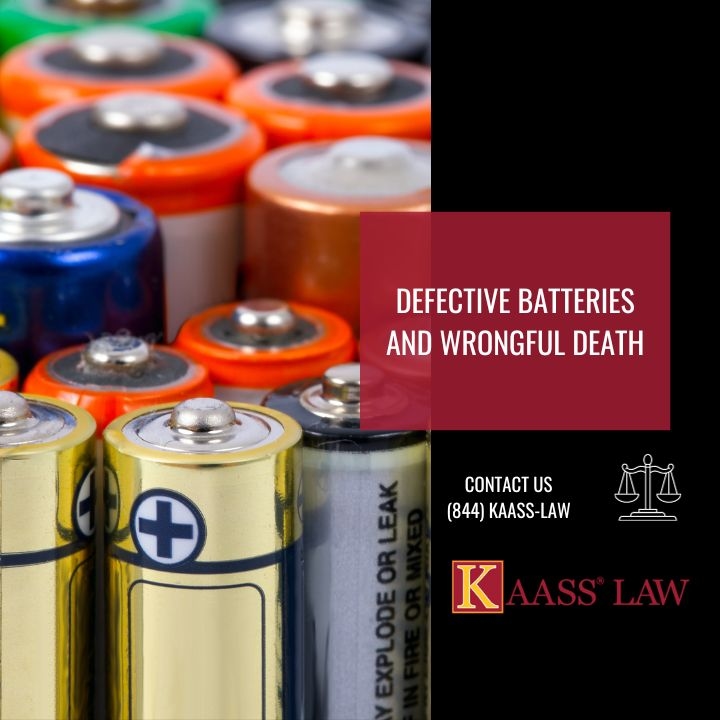
Beneath their everyday utility, batteries can pose a substantial threat, particularly when they are flawed. A defective battery can malfunction in various ways, from overheating to spontaneous combustion and even outright explosions. When these malfunctions occur, the consequences can be devastating, occasionally leading to wrongful death.
Varieties of Defective Batteries
There are several varieties of defective batteries that may lead to physical injury or, worse, death. Find the list below of such defects in batteries:
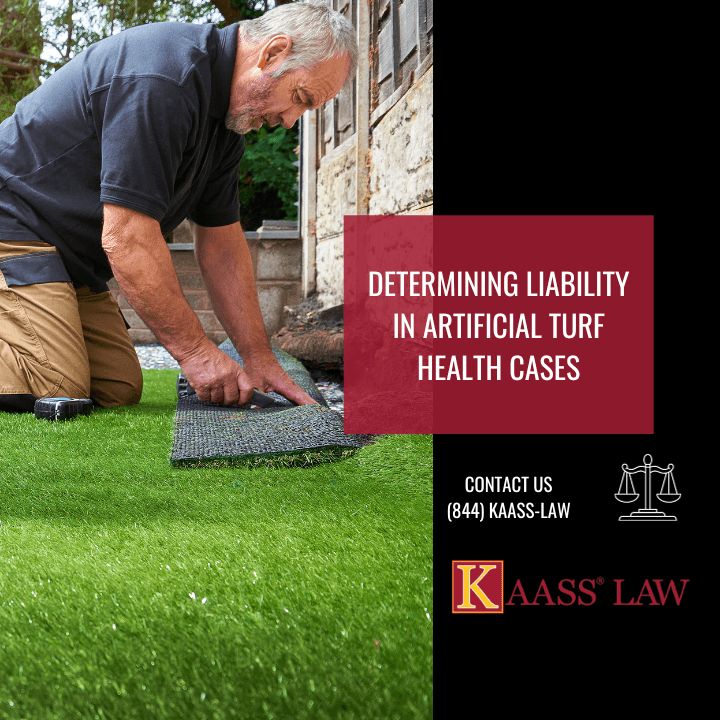
Artificial turf has witnessed a substantial surge in popularity across California, finding extensive use in a variety of settings, including sports facilities and landscaping projects. This synthetic grass alternative is appreciated for its low maintenance requirements and aesthetic appeal. However, the growing concerns surrounding potential health impacts, particularly the apprehensions related to cancer risks associated with certain components of artificial turf, have ignited a significant discourse within the legal sphere. These concerns have led to a multitude of questions about the intricate process of determining liability in instances where individuals may have suffered harm as a result of their exposure to or interaction with artificial turf.
Who Can Be Liable in Artificial Turf Health Cases?
Determining liability in artificial turf health impact cases can be multifaceted. Several parties may potentially share responsibility:
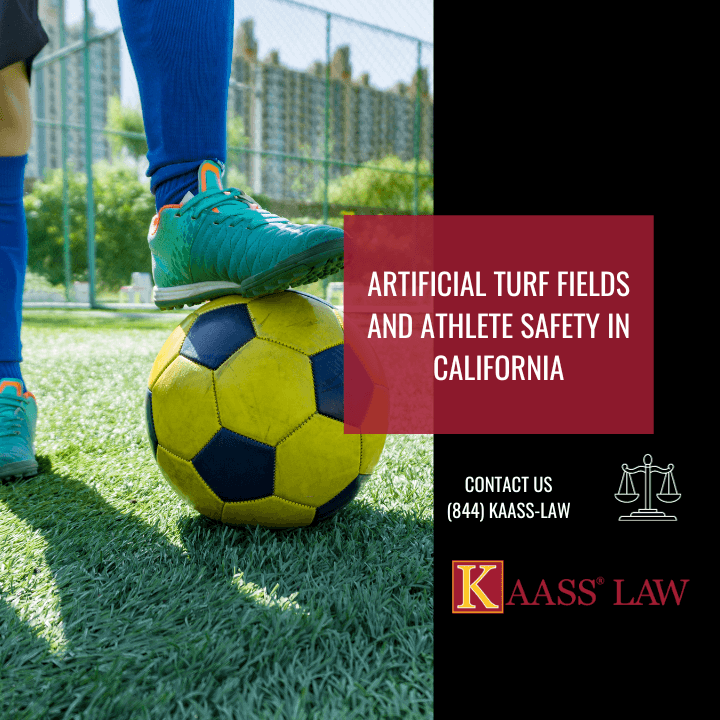
As the popularity of artificial turf fields continues to grow in California, the intersection of sports and law has never been more important. These synthetic surfaces, known for their durability and cost-efficiency, have become a staple in sports and recreational facilities across the state. However, the paramount concern of athlete safety on artificial turf fields has raised significant legal questions and considerations. It is essential to unravel the legal intricacies, ensuring athletes' well-being while engaging in sports on artificial turf fields.
Understanding Athlete Safety Risks
Surface Hardness: One of the foremost concerns raised regarding artificial turf is its inherent surface hardness. The synthetic nature of these fields creates a firm and unforgiving surface, potentially leading to an elevated risk of injuries, particularly those related to impacts and falls. Athletes may experience a range of injuries, from minor abrasions and contusions to more severe trauma, such as concussions.
Heat-Related Issues: California's warm climate can exacerbate the heat retention properties of artificial turf. These fields often become excessively hot, resulting in discomfort and an increased risk of heat-related illnesses for athletes, including heat exhaustion and heatstroke.
Educational settings are designed to provide secure havens where students can absorb knowledge, evolve personally, and lay the foundation for their forthcoming journeys. Yet, there are instances when misfortune strikes, resulting in the loss of life owing to negligence, lack of attentiveness, or insufficient safety precautions. The occurrence of wrongful death within educational settings stands as a deeply distressing truth, casting illumination on the imperative of elevating the significance of safeguarding students' welfare and security. Within this blog, we will meticulously explore the factors that give rise to such unfortunate incidents, delve into the ramifications they entail, and outline proactive measures aimed at averting wrongful deaths in educational contexts.
Grasping Wrongful Death in Educational Settings
The concept of wrongful death encompasses the heart-wrenching scenario of life being prematurely extinguished due to an individual's negligence, deliberate harm, or the violation of their duty. When such tragic episodes unfold within an educational backdrop, they have the potential to involve students, educators, administrative personnel, and even visitors. Wrongful deaths manifest across a spectrum of educational settings, spanning from elementary and secondary institutions to higher education establishments, vocational centers, and even supplementary extracurricular pursuits.
Soccer is an integral part of California's sporting culture, with thousands of athletes taking the field every year. However, the safety of playing on artificial turf has come under intense scrutiny, owing to concerns surrounding potential health risks, including the risk of cancer. In this detailed blog, we will delve into the health impacts on soccer players and discuss the intricate legal aspects related to artificial turf and its associated cancer risks in the state of California.
Health Impacts of Artificial Turf and Its Complex Components
Artificial turf, extensively used in soccer fields, is composed of a multifaceted assembly of components:
Synthetic Grass Blades: These innovative grass-like fibers are typically crafted from polyethylene or polypropylene. They aim to replicate the look and feel of natural grass while providing the convenience of low maintenance.
Infill Material: Infill serves a dual purpose by providing structural support and cushioning for athletes. Common infill materials include crumb rubber, sand, or organic alternatives like cork and coconut husks.
This essential layer serves as the foundation, anchoring the grass blades and infill together. It is frequently manufactured using polyurethane or latex.
Artificial turf has become a popular choice for landscaping, sports fields, and playgrounds due to its low maintenance and year-round green appearance. However, in recent years, concerns have arisen regarding potential health risks associated with the materials used in some artificial turf products, including the presence of potential cancer-causing agents. This blog post aims to shed light on these concerns and provide information for residents of California, where the use of artificial turf is widespread.
Artificial Turf and its Components
Synthetic grass, commonly referred to as fake grass, comprises several components, including:
Synthetic Grass Blades: These are the fibers that mimic natural grass and create the green appearance of the turf. They are typically made from materials like polyethylene or polypropylene.
Infill Material: Infill serves as a support structure and adds cushioning to the turf. Common infill materials include crumb rubber, sand, and organic infills like coconut husks or cork.
Backing Material: This is the layer that holds the grass blades and infill in place. It is often made from materials like polyurethane or latex.
Artificial turf has proliferated across California's sports fields, playgrounds, and recreational spaces, primarily due to its durability and low maintenance requirements. Alongside its popularity, a growing concern has emerged surrounding the potential health risks associated with this synthetic playing surface, particularly the alleged link to various health issues, including cancer.
Health Concerns Surrounding Artificial Turf
In recent times, however, concerns have arisen regarding the safety of artificial turf, particularly in relation to the potential health risks it may pose. Some of the key considerations include:
Exposure to Harmful Chemicals: Artificial turf is typically made from a combination of synthetic fibers, rubber infill, and other materials. Critics argue that these materials can contain potentially harmful chemicals. These chemicals may include carcinogens and endocrine disruptors. They have the potential to leach into the environment and pose health risks.
Heat-Related Issues: In California's hot climate, artificial turf fields can become extremely hot during summer, potentially leading to heat-related injuries among athletes.
International wrongful death lawsuits often involve emotionally charged legal disputes aimed at achieving fairness and accountability when a loved one's passing is a result of negligence or deliberate harm. While these cases are inherently intricate in their respective legal domains, the complexity magnifies when the tragedy spans international borders. Global wrongful death cases bring forth a distinctive array of legal, cultural, and practical obstacles that warrant meticulous contemplation. Within this article, we plunge into the nuances of such cases, uncovering the barriers encountered by families in their pursuit of justice for their bereavement.
Navigating Legal Boundaries Across International Wrongful Death Cases
A primary hurdle in international wrongful death cases revolves around the concept of jurisdiction. Deciphering which nation's laws are relevant and which judicial system possesses authority can prove to be a formidable undertaking. Elements such as the circumstances of the demise, the parties involved, and the location of the incident collectively shape the choice of the appropriate jurisdiction. The absence of a standardized framework for resolving wrongful death cases that traverse international boundaries can result in protracted legal battles and disagreements over jurisdiction.
Cultural and Legal Differences
A Risky Business
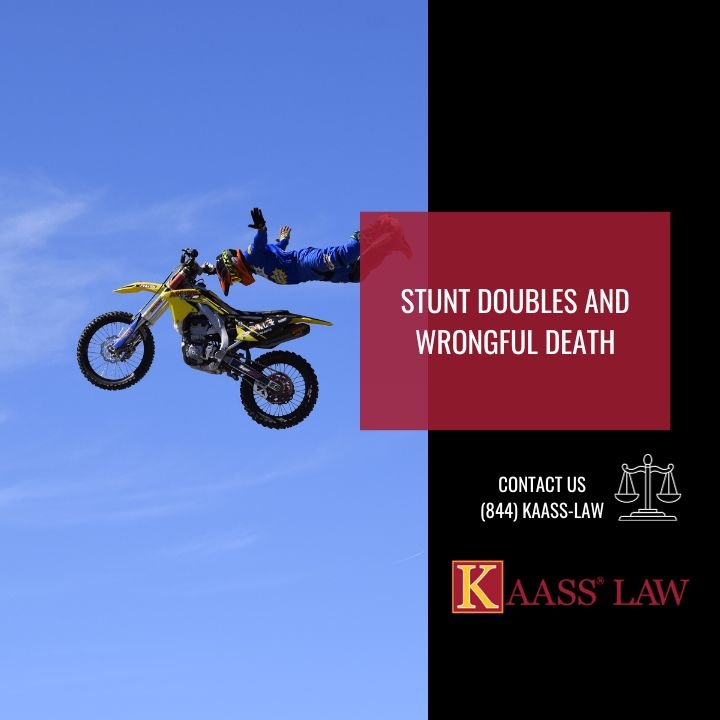
Performing stunts is inherently risky. While safety measures are rigorously enforced, accidents can and do happen. Stunt doubles are often in precarious positions, performing feats that can lead to severe injury or even death. Falls, crashes, and explosions are just some of the many hazards they face.
The Inherent Dangers of Stunt Work
High falls are one of the most iconic stunt scenes involves high falls, which require precise calculations and expert timing. Mistakes can lead to fatal consequences. Car stunts such as car chases, crashes, and flips are standard fare in action movies. Even with protective measures, such as roll cages and helmets, the risk of injury remains. Combat scenes including hand-to-hand combat and fight scenes may look choreographed, but they involve genuine physical contact, and even a slight miscalculation can result in injury. Explosions with pyrotechnic stunts are both visually stunning and dangerous. The coordination of explosions and stunts is critical to avoiding harm. Water stunts like underwater scenes come with their own set of challenges, including the risk of drowning and entanglement.
Wrongful Deaths in Stunt Work
Tragically, the world of stunt work has seen its share of wrongful deaths. These are accidents that occur on set and result in the loss of a stunt performer's life. While the film industry has made great strides in improving safety measures, the risks remain. One of the most notable cases of wrongful death in stunt work occurred during the filming of the 1982 film "Twilight Zone: The Movie." Actor Vic Morrow and two child actors, Myca Dinh Le and Renee Shin-Yi Chen, lost their lives in a helicopter accident during a night shoot. This incident led to a substantial overhaul of safety procedures on film sets, especially those involving child actors. Another tragic case involved the death of renowned stuntwoman, Joi "SJ" Harris, during the filming of "Deadpool 2" in 2017. Harris was performing a motorcycle stunt when she lost control and crashed. Her death sparked a renewed conversation about the safety of stunt performers and the need for more comprehensive training and risk assessment.
Safety Practices and Regulations
Following these tragic incidents, the film industry has implemented measures to bolster safety practices and regulations. Collaboratively, the Screen Actors Guild (SAG-AFTRA) and other industry organizations have taken measures to establish more rigorous safety protocols. These measures encompass thorough risk evaluations, the qualification criteria for stunt coordinators, and the adoption of specialized safety equipment. Additionally, many productions employ safety consultants to assess and mitigate potential risks.
The Psychological Toll on Stunt Doubles and Safety
The dangers that stunt doubles face aren't limited to physical risks; the psychological toll is also significant. Witnessing accidents and near misses can take a severe emotional toll on these professionals. Coping with fear and anxiety while maintaining a strong facade can lead to a range of mental health challenges. One of the ongoing debates in the film industry is the delicate balance between artistic vision and safety. While safety measures have improved, some argue that the demands of creative directors can still put stunt performers in harm's way. The pursuit of the perfect shot sometimes trumps safety concerns.
Contact an Attorney Today
Stunt doubles are the unsung heroes of the film industry, but their role comes with inherent risks. Wrongful deaths in stunt work are a tragic reality, and they serve as a sobering reminder of the dangerous nature of the profession. The public's appreciation of the art of stunts should also be accompanied by a deeper understanding of the sacrifices and dangers faced by the brave individuals who make it happen. If someone you know has wrongfully died on the job of being a stunt double, give our office a call at 310.943.1171. Additionally, visit our other website for more information about other potential cases you can get assistance on.
Lithium-ion Batteries: These batteries are widely employed in smartphones, laptops, and other electronic devices. Notorious for their tendency to overheat, lithium-ion batteries can, in some instances, ignite, resulting in tragic outcomes.
E-cigarette Batteries: Vaping devices, for example, use powered rechargeable batteries. If a malfunction occurs with such portable batteries, they can blow up, resulting in personal injury or wrongful death.
Hoverboard Batteries: Wrongful death may occur because of the failure of the hoverboard scooters. With popularity at its peak up until today, many people still experience faulty malfunctions caused by the defective battery systems.
Electric Vehicle Batteries: A battery malfunction in an environmentally safe vehicle, such as an electric vehicle, may cause fires and death. With high-voltage batteries, there are bigger problems if there is a defect in the product, especially.
Consumer Electronics: Most electronic devices we use daily are battery-operated. It is not rare for the batteries to explode, leading to harsh consequences following an accident.
The Ramifications of Defective Batteries
The outcomes resulting from faulty batteries include:
Battery malfunctions are not as rare as one may think. It is essential to understand that fires will likely happen after a battery explosion. Although there could be not explosive batteries, they may increase in heat, which, in turn, can cause harm.
Preventive Measures and Safety Standards
Preventing wrongful deaths caused by defective batteries necessitates a multi-pronged approach, which includes:
Battery Testing and Certification: Manufacturers must test batteries before selling them to consumers or other manufacturers.
Enhanced Quality Control: To prevent mishaps, manufacturers should follow guidelines when adhering to protocols before introducing products to consumers.
Advancements in Battery Design: While manufacturers may have previously tested and approved batteries, it is crucial for them to ensure the future safety of the product
Raising Consumer Awareness: As manufactures test the batteries, they are able to provide their consumers with the correct protocol to follow, in order to potentially avoid any mishaps in the future of that battery.
Enforcement of Government Regulations: By staying up to date with the new safety regulations, the manufacturers are able to provide their consumer with a safe use of their product.
Third-Party Safety Certifications: To mitigate risks further, third-party safety certifications play a critical role in validating battery performance and safety. Independent organizations such as UL Solutions provide rigorous testing and certification for battery products, ensuring they meet essential safety standards before reaching consumers. These certifications reinforce trust in product quality and encourage manufacturers to prioritize safety during the design and production stages. Consumers should look for recognized certification labels when purchasing battery-powered devices, as this can offer an added layer of protection against potential malfunctions. Consumers should look for recognized certification labels when purchasing battery-powered devices, as this can offer an added layer of protection against potential malfunctions and fire hazards.
Legal Implications
Wrongful deaths stemming from defective batteries can lead to intricate legal cases. Determining liability often involves investigating the entire supply chain, from the battery manufacturer to the product manufacturer and the retailer. Product liability laws hold various parties responsible for the defective product, and wrongful death claims aim to compensate the victim's family. Defective batteries present a hidden danger in our contemporary world of convenience and technology. While they power our devices and enhance our lives, they can also bring tragedy when they malfunction. Wrongful deaths stemming from defective batteries are a stark reminder of the necessity for safety, accountability, and continuous improvement within the battery industry. As consumers, we must remain vigilant, demand safer products, and understand our legal rights to seek justice in the event of a tragic loss caused by a defective battery. Additionally, visit this link to learn more about our other practice areas. We can help you get the compensation you deserve!
Property owners, whether individuals or entities have a significant responsibility when it comes to the safety and maintenance of artificial turf on their premises. Neglecting proper upkeep and timely replacement can lead to unsafe conditions and potential health risks for those who use the turf.
Maintenance: Property owners are expected to ensure regular maintenance of the artificial turf. This includes cleaning to prevent the accumulation of dust, debris, and contaminants, as well as inspecting the turf for any signs of wear and tear.
Timely Replacement: Artificial turf has a limited lifespan, and property owners should be aware of when it needs replacement. Over time, turf can degrade, lose its cushioning properties, and potentially release harmful materials, such as crumb rubber, which may pose health risks.
User Safety: Property owners have a duty to ensure the safety of individuals who use their facilities. This includes providing a playing surface that is free from hazards and risks. Negligence in maintaining artificial turf can be seen as a breach of this duty.
Legal Responsibility: In cases where individuals suffer health issues or injuries due to the property owner's failure to maintain or replace artificial turf adequately, they may be held legally liable. Victims may pursue compensation for medical expenses, pain and suffering, and other damages through legal action.
Manufacturers' Liability
Manufacturers play a crucial role in ensuring the safety of artificial turf products. They can be held responsible if their products are found to be defective or contain hazardous materials that contribute to health issues among users.
Product Quality: Manufacturers should produce artificial turf products that adhere to quality and safety standards. This includes using materials that are safe for human contact and ensuring that the product's design and construction do not pose undue risks to users.
Quality Control: Rigorous quality control measures are essential in the manufacturing process. This includes testing materials for any potential hazards, conducting safety assessments, and ensuring that the final product meets industry standards.
Transparency: Manufacturers should provide clear and accurate information about their products, including any potential risks associated with their use. This information should be readily available to consumers and relevant authorities.
Legal Accountability: When a product is discovered to be defective or to contain harmful materials, resulting in health issues for users, manufacturers could face legal liability for damages.
Determining Installers' Liability
Installers have a significant responsibility to ensure the proper installation of artificial turf, maintaining the safety and integrity of the playing surface. If the turf receives improper installation, it could result in liability for the installation company, potentially leading to severe consequences for users.
Proper Installation Techniques: Installers must adhere to industry best practices and guidelines when installing artificial turf. This includes ensuring proper drainage, securing the turf correctly, and providing adequate cushioning through infill materials. Improper installation can lead to uneven surfaces, tripping hazards, and compromised playability.
Safety Considerations: Installers need to consider user safety during the installation process. This involves addressing potential risks such as uneven seams, loose edges, or poorly secured infill materials. Failing to address these safety concerns can lead to accidents, injuries, and legal repercussions.
Compliance with Regulations: Installers should be knowledgeable about local regulations and industry standards related to artificial turf installation. Compliance with these regulations is essential to ensure the safety and usability of the turf. Failure to comply with legal requirements can result in liability if issues arise.
Determining Government Entities' Liability
Government bodies overseeing public sports fields and facilities, where artificial turf is common, hold a significant responsibility for ensuring public safety. They may face accountability if they fail to address documented health risks linked to artificial turf.
Maintenance and Oversight: Government entities assume responsibility for maintaining and overseeing public sports facilities, including installing and maintaining artificial turf. They are responsible for ensuring that these facilities are in a safe and usable condition.
Risk Assessment: Conducting regular risk assessments is part of their duty. Government bodies must monitor health concerns related to artificial turf, including hazardous infill materials, and act accordingly based on available information.
Adherence to Regulations: Government entities must comply with local regulations and industry standards related to artificial turf safety. This includes ensuring that turf materials meet safety guidelines and that the playing surface remains safe for users.
Contact Kaass Law experienced attorneys today!
If you or someone you know has experienced health issues related to artificial turf, seeking legal guidance is essential. Contact our experienced lawyers at Kaass Law today to discuss your concerns and explore your legal options. Your health and rights matter, and we're here to help you navigate the complexities of determining liability in artificial turf health cases. You are able to find out more information on other practice areas in the field we specialize in. Visit this link for more details.
Turf Burns: Athletes playing on artificial turf surfaces frequently encounter turf burns, which are painful abrasions caused by sliding or falling on the field. Inadequate protection against these burns can lead to infections, potentially escalating into more significant health concerns.
Legal Dimensions of Athlete Safety in California
Product Liability: Under California law, manufacturers, suppliers, and installers of artificial turf must ensure product compliance with safety standards. Injured athletes due to turf defects or improper installation may pursue product liability claims against them.
Premises Liability: Property owners in California, including schools, municipalities, and sports facilities, have a legal obligation to maintain safe playing conditions for athletes. This responsibility entails ensuring the mitigation of hazards on artificial turf fields. If an athlete sustains an injury due to the negligent maintenance or oversight of an artificial turf field, the property owner may be held liable for damages.
Assumption of Risk: Athletes understand that participation in sports inherently involves certain risks. While athletes may assume some level of risk when engaging in sporting activities, this does not absolve manufacturers or property owners of their responsibility to provide a reasonably safe environment. The assumption of risk doctrine is not a blanket protection from liability.
Regulations and Standards: California has established regulations and standards governing the safety of sports facilities, including artificial turf fields. Compliance with these regulations is paramount to mitigate legal risks. Failure to meet these standards could result in liability for manufacturers and property owners.
Artificial turf fields offer numerous benefits, including reduced maintenance and prolonged usability. However, concerns surrounding athlete safety remain a pressing issue. Athletes and their families have recourse if they believe their injuries result from unsafe field conditions or defective turf. Legal avenues are available to seek compensation in such cases. Property owners, manufacturers, and installers of artificial turf are duty-bound to ensure that their products adhere to safety standards. Complying with regulations and industry standards is instrumental in minimizing legal liabilities.
The Legal Responsibility of Property Owners
In California, property owners, including schools and sports facilities, must maintain safe conditions for athletes playing on artificial turf. This responsibility goes beyond basic upkeep and extends to ensuring the turf is properly installed and maintained to prevent injuries. Failure to uphold these standards may result in legal liability for accidents that occur due to unsafe conditions. Property owners must ensure their artificial turf complies with state regulations, industry standards, and safety practices to protect athletes from serious harm. Negligence in turf maintenance can lead to costly lawsuits and damage reputations.
Navigating Product Liability for Defective Artificial Turf
Artificial turf manufacturers and installers in California must ensure the safety and functionality of their products. If an athlete is injured due to defective turf or improper installation, the injured party may pursue legal action against the manufacturer or installer. Product defects, such as inadequate cushioning or improper materials, could lead to serious injuries like concussions, sprains, or burns. Manufacturers and installers must adhere to rigorous safety standards and ensure that their products do not pose unnecessary risks. Legal claims against defective turf may lead to compensation for victims and force better industry practices.
For more information, you can check out this link on product liability laws.
Contact Experienced Attorney Today!
If you or a loved one has suffered injuries while playing on an artificial turf field in California, seek counsel from a legal expert well-versed in premises liability and personal injury law. Attorneys at Kaass Law can provide guidance on potential legal actions to pursue compensation for injuries and associated damages. Ultimately, safeguarding athlete safety should be of paramount concern when utilizing and maintaining artificial turf fields in the state of California. You are able to find out more information on other practice areas in the field we specialize in. Visit this link for more details.
Negligence on the part of educational institutions can lead to severe consequences. Inadequate supervision, failure to maintain safe premises, and disregard for known risks can all contribute to accidents that result in fatalities. Secondly, a lack of proper safety measures and protocols can be a significant factor. Insufficient emergency preparedness, lack of proper training for staff, and inadequate security can create an environment ripe for accidents. Thirdly, dangerous conditions within the educational facility can lead to accidents. This includes poorly maintained infrastructure, defective equipment, and even environmental hazards. Fourthly, in cases of bullying and violence, schools have a responsibility to intervene and provide a safe environment. Failure to do so can result in severe consequences, including loss of life. Finally, educational settings should be equipped to handle medical emergencies. Inadequate medical care and delayed response to emergencies can escalate a situation to a tragic outcome.
Consequences of Wrongful Death in Educational Settings
The consequences of wrongful death in educational settings are far-reaching and deeply impactful:
Emotional Trauma: The loss of a student, teacher, or staff member can have a profound impact on the emotional well-being of the entire school community. Students and colleagues may struggle with grief, guilt, and anxiety.
Legal Ramifications: Educational institutions can face legal actions from the families of the deceased. Wrongful death lawsuits can result in significant financial liabilities, damage to reputation, and legal penalties.
Regulatory Scrutiny: Incidents of wrongful death often lead to increased regulatory scrutiny. Educational institutions may face investigations from government bodies, affecting their operations and public image.
Community Distrust: A wrongful death can erode the trust that parents and the community have. That may be in the institution's ability to provide a safe learning environment. This can lead to declining enrollment and a tarnished reputation.
Preventive Measures and Solutions
To prevent wrongful deaths in educational settings, a proactive approach to safety and well-being is crucial:
Comprehensive Safety Policies: Educational institutions must establish and enforce comprehensive safety policies. It should cover everything from emergency procedures to bullying prevention. Regular drills and training sessions can ensure that everyone is prepared for various scenarios.
Supervision and Monitoring: Adequate supervision is essential, especially in environments where students are engaging in physical activities or using equipment. Staff members should be attentive and responsive to potential risks.
Security Enhancements: Implementing security measures such as surveillance systems, controlled access points, and security personnel can deter potential threats and provide a safer environment.
Mental Health Support: Addressing mental health issues and providing adequate counseling services can help prevent incidents related to bullying, violence, and emotional distress.
Collaboration with Parents and Community: Involving parents and the local community in safety initiatives can create a network of support and vigilance. Community involvement also holds educational institutions accountable for the safety of their students.
Regular Audits and Assessments: Conduct regular safety audits and risk assessments to identify potential hazards and areas for improvement. Above all, this is a proactive approach that can help prevent accidents before they occur.
Wrongful Death Attorney
The loss of a life in an educational setting is a tragedy that affects the entire community. Wrongful deaths remind us of the critical importance of safety measures, proactive policies, and the responsibility of educational institutions. As a matter of fact, we can work towards creating educational environments that are truly conducive to learning and well-being. Additionally, visit our other website for information on potential other cases we may assist you in. Call our office for further assistance at 310.943.1171
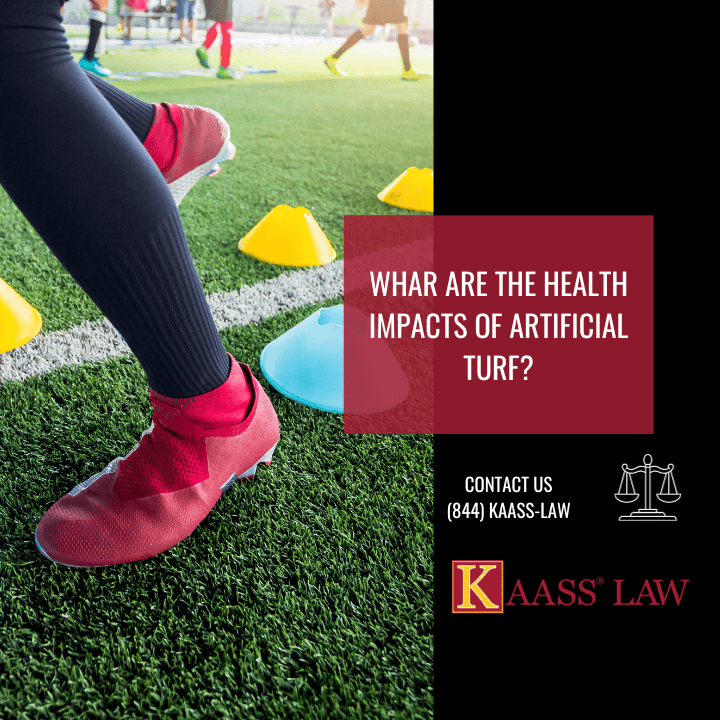
Navigating the Labyrinth of Potential Health Impacts of Artificial Turf
The core concern surrounding artificial turf centers on the use of crumb rubber infill. Derived from recycled tires, this infill may contain a mix of elements, raising health concerns:
Polycyclic Aromatic Hydrocarbons (PAHs): Present in tire rubber, PAHs are considered potentially carcinogenic when inhaled or ingested. The risk becomes particularly pertinent to soccer players due to close contact with the surface during gameplay.
Heavy Metals: Recycled tire rubber might contain traces of heavy metals like lead and zinc. This poses potential health risks, particularly for young athletes with developing immune systems.
Volatile Organic Compounds (VOCs): Some artificial turf products release VOCs into the environment, contributing to indoor air pollution. These emissions can be especially concerning when indoor soccer facilities utilize artificial turf.
The Risk of Cancer and Other Health Issues from Artificial Turf: What Soccer Players Should Know
As artificial turf continues to gain popularity in California's sports fields, concerns over its health risks, particularly the potential for cancer, have grown. The primary worry revolves around the crumb rubber infill, made from recycled tires, which may contain harmful substances like polycyclic aromatic hydrocarbons (PAHs), heavy metals, and volatile organic compounds (VOCs). These chemicals can pose significant risks to players, especially children and athletes who spend prolonged hours on the turf. Soccer players must stay informed about these potential health hazards and consider the long-term impacts of regular exposure to artificial turf surfaces.
For a detailed analysis of artificial turf's potential health risks, visit the Environmental Working Group (EWG) website.
Legal Implications of Health Issues Linked to Artificial Turf: Understanding Your Rights
When health concerns related to artificial turf arise, understanding your legal rights becomes crucial. Injuries or health problems caused by exposure to harmful chemicals found in artificial turf, such as crumb rubber, could open the door to legal action. Determining liability in these cases is complex, involving manufacturers, installers, and property owners. Soccer players and their families should be aware of potential legal recourse to seek compensation for health impacts. Consulting with an experienced California attorney specializing in personal injury and environmental law can help victims navigate these challenges and explore their options for justice and protection.
Understanding Liability
Determining liability in cases related to health impacts from artificial turf can be complex. Legal experts can determine potential liability for injuries or health issues resulting from exposure to artificial turf. They will consider property owners, manufacturers, installers, and other parties.
Legal Recourse and Rights
If you, your child, or fellow soccer players have concerns regarding potential health impacts from playing on artificial turf, it is crucial to explore your legal options. Taking proactive steps to address these concerns can help safeguard your rights and well-being. Seeking counsel from an experienced California attorney who specializes in personal injury and environmental law can provide invaluable insights into your rights and potential recourse. The health impacts of playing soccer on artificial turf, particularly concerning cancer risk, have evolved into a substantial concern in California. Stay informed about ongoing research and the complex legal aspects of this issue. Your health should always take precedence, both on and off the soccer field, and the legal system is here to ensure your protection.
Contact Kaass Law experienced attorneys today!
If you or your loved ones have health issues or concerns related to artificial turf, contact a qualified attorney to protect your rights and well-being. Contacting Kaass Law attorneys can help you explore your legal options and protect your rights. Your health and well-being are paramount, and legal experts can guide you to navigate this complex issue. Get in touch with a California attorney today to discuss your specific situation and potential legal recourse. You are able to find out more information on other practice areas in the field we specialize in. Visit this link for more details.
Artificial Turf and Potential Cancer-Causing Agents
The primary concern related to artificial turf in California revolves around the use of crumb rubber as an infill. Manufacturers make crumb rubber from recycled tires, and it contains a mixture of rubber and other chemicals. Some studies have raised questions about the potential health risks associated with crumb rubber due to the presence of certain chemicals, including:
Polycyclic Aromatic Hydrocarbons (PAHs): PAHs are chemicals present in tire rubber and are known to have potential carcinogenic effects when people inhale or ingest them.
Heavy Metals: Recycled tire rubber can also contain traces of heavy metals, such as lead and zinc, which can be harmful to health, especially in children.
Volatile Organic Compounds (VOCs): Some artificial turf products may release VOCs, which can contribute to indoor air pollution and have potential health implications.
California's Response to Potential Cancer-Causing Agents
The state of California has taken steps to address these concerns. In 2019, the California Office of Environmental Health Hazard Assessment (OEHHA) conducted an evaluation. This evaluation focused on assessing the potential health risks associated with synthetic turf and crumb rubber infill. They concluded that more research is necessary to fully understand the extent of these risks. This conclusion stands despite the limited evidence of potential health risks.
Health Risks of Artificial Turf
As awareness grows about the potential health hazards of artificial turf, especially those with crumb rubber, it’s crucial for California residents to understand the risks. Many parents, school officials, and property owners are questioning the safety of these surfaces for children and athletes. While synthetic turf offers convenience and an appealing look, studies have raised concerns about harmful chemicals, such as PAHs, VOCs, and heavy metals, found in some materials. To help make informed decisions, the nonprofit Environmental Working Group (EWG) provides a detailed analysis of the health risks related to artificial turf. You can explore their findings here: EWG Artificial Turf Health Concerns. Prioritizing health and transparency is the first step to creating safer outdoor spaces.
What to do to be Protected from Cancer-Causing Agents
Choose Alternative Infill: You might consider using alternative infill materials like sand, cork, or coconut husks, which people perceive as safer options.
Frequent Cleaning: Clean and maintain it regularly to reduce the accumulation of dust and debris.
Wash Hands and Clothes: After playing on artificial turf, it's important to encourage children to take certain steps. These steps include washing their hands and changing their clothes, which can help minimize their exposure to any potential contaminants.
Stay Informed: Keep an eye on updates from the OEHHA and other relevant authorities for the latest information on artificial turf safety.
While concerns persist about potential cancer-causing agents in artificial turf, particularly crumb rubber infill, researchers are actively conducting ongoing studies. It's crucial to stay informed about any developments in this area. California authorities are actively monitoring the situation and taking steps to address any potential risks. In the meantime, residents can take precautionary measures to protect their health and stay informed about developments in this area.
Contact an Attorney in California!
If you have concerns about potential health risks associated with artificial turf and cancer-causing agents, taking action is crucial. Seek legal guidance to address your concerns and protect your rights. Contact Kaass Law attorneys today to discuss your situation and explore your rights and options. Your health and well-being should always come first, and legal experts can help you navigate this complex issue. Don't hesitate; take action now to protect yourself and your loved ones. Additionally, we encourage you to explore our supplementary website for further insights into how we can be of assistance.
Microplastic Pollution: The degradation of artificial turf over time can result in the release of microplastics into the environment. This raises concerns about their impact on ecosystems and human health.
Cancer Allegations: The most disputed matter revolves around the claimed connection between synthetic field materials and cancer. Some athletes and their families assert that exposure to these synthetic surfaces has resulted in cancer diagnoses.
The Rise of Artificial Turf and Legal Considerations
Artificial turf has gained favor in California, thanks to its ability to offer consistent playing conditions irrespective of weather. For a state known for its diverse climate, this feature is incredibly appealing. Over the years, numerous athletic fields, schoolyards, and community parks have transitioned to synthetic turf as a cost-effective solution for year-round use. However, recent concerns have arisen regarding the safety of artificial turf, particularly in relation to the potential health risks. Some of the legal considerations associated with these concerns include:
Product Liability: In cases where individuals claim that exposure to artificial turf materials led to health issues, product liability may come into play. Manufacturers and suppliers could face legal action if it is determined that their products are defective or unsafe.
Environmental Regulations: California has stringent environmental regulations. The leaching of harmful chemicals or microplastic pollution from artificial turf into the environment could trigger regulatory actions. It may also lead to potential legal consequences.
Duty of Care: Schools, municipalities, and sports organizations oversee the installation and maintenance of artificial turf fields. They may have a legal duty to provide a safe environment for athletes and the public. Failure to meet this duty could result in legal liability.
Disclosure and Informed Consent: Coaches, athletic directors, and schools may have a legal obligation to inform athletes and their parents of any known health risks. Informed consent regarding playing on such surfaces could be legally significant.
Ongoing Legal and Regulatory Debates
Scientific studies have yielded mixed findings, contributing to the ongoing debate. Regulatory bodies, including state and local authorities and sports organizations, are working to address these concerns, leading to varying regulations and standards. As the debate continues, Californians must be legally aware of the potential health risks associated with artificial turf. This introductory post serves as a starting point for a series of blogs that will delve deeper into the legal implications of these issues, providing readers with a comprehensive understanding of the topic.
Scientific Research and Public Health Oversight
As public concern continues to grow, research on artificial turf’s health effects has become increasingly important. While some studies suggest minimal risk, others raise serious concerns about long-term exposure to chemicals in turf materials—especially crumb rubber made from recycled tires. In response, the U.S. Environmental Protection Agency (EPA) and Centers for Disease Control and Prevention (CDC) launched a joint study to examine the safety of tire crumbs used in synthetic fields. This coordinated effort highlights the complexity and uncertainty surrounding the issue. Consequently, their findings may shape future legislation and influence legal liability standards. Therefore, it is vital for parents, coaches, and local governments to stay informed and up to date. By being proactive, communities can better protect public health. To learn more about the federal study, visit the EPA’s official page: Synthetic Turf Field Recycled Tire Crumb Rubber Research Underway.
Contact Kaass Law Attorneys Today!
Kaass Law has dedicated attorneys who can guide you through the legal process. They ensure your rights are protected and responsible parties are held accountable. Your health and the health of your community matter, so take action today. Contact an experienced attorney in California to discuss your concerns and explore potential legal remedies. You are able to find out more information on other practice areas in the field we specialize in. Visit this link for more details.
Cultural nuances and differences in legal systems can significantly impact the outcome of internationally wrongful death cases. In one country, negligence might hold a different legal significance compared to another. Furthermore, cultural practices, beliefs, and attitudes towards wrongful death can shape the perception and approach to a case. For example, a medical malpractice case in one country might be treated as a criminal offense, while in another, it could be resolved through civil litigation. These disparities highlight the need for a nuanced understanding of the legal systems and cultural contexts involved.
Choice of Law and Conflict of Laws
International wrongful death cases often involve a conflict of laws—situations where multiple legal systems could potentially apply. Courts must decide which country's laws govern the case, which can lead to complex legal debates. The determination of the applicable law involves considering factors. For example, that includes the deceased's nationality, the location of the incident, and the nature of the claim. The choice of law can have a profound impact on the outcome of the case, affecting issues such as liability standards, compensation calculations, and available defenses. Resolving conflict of laws requires legal professionals with expertise in international private law and a deep understanding of the relevant jurisdictions.
Logistical Challenges and Evidence Collection
Collecting evidence and conducting investigations across borders pose significant logistical hurdles. Language barriers, differences in legal procedures, and varying standards of evidence can complicate the process of gathering crucial information. The physical distance between the grieving family and the incident location can hinder their ability to participate actively in legal proceedings. Technology has undoubtedly eased some of these challenges, enabling the exchange of evidence and information across borders. However, ensuring the authenticity and admissibility of evidence in a foreign jurisdiction remains a concern.
Enforcement of Judgments
Even if a judgment is obtained in one country, enforcing it in another can be an arduous task. Not all countries have reciprocal agreements for recognizing and enforcing foreign judgments. The winning party may need to navigate a separate legal process to ensure the judgment is recognized and executed in the foreign jurisdiction.
Alternatives to Litigation
Given the complexities of international wrongful death cases, some families explore alternative dispute resolution methods. Mediation and arbitration can offer a more streamlined and collaborative approach to resolving these cases.
International Legal Cooperation and Frameworks
International cooperation is essential to navigate the legal challenges across borders. Agreements such as the Hague Convention on the Taking of Evidence Abroad in Civil or Commercial Matters aim to facilitate the collection and exchange of evidence internationally. While not all countries are signatories, understanding the frameworks in place can aid in building stronger cases. Legal teams must stay updated on international treaties and bilateral agreements that may assist with evidence gathering and judgment enforcement. For more information, visit the Hague Conference on Private International Law, which outlines current conventions and participating states.
Traversing Borders: Understanding International Wrongful Death Cases
International cases involving wrongful deaths present a convergence of intricate challenges encompassing legal, cultural, and logistical dimensions. Families contending with the loss of a cherished family member rightfully deserve justice. In an era of escalating global interconnectivity, a cohesive framework that effectively addresses the intricate aspects of international wrongful death cases becomes imperative. Collaboration among legal experts, policymakers, and international institutions becomes imperative in laying down comprehensive principles. Such principles have the potential to provide clarity and an equitable pathway for families. In other words, it is through such collaborative endeavors that we can safeguard the integrity of justice for the victims. If you are seeking legal representation for a wrongful death case, contact our office at 310.943.1171. We also encourage you to explore our supplementary website for further insights into how we can assist you.