The most serious and terrible result after an accident is a catastrophic brain injury. It is critical to comprehend what constitutes a catastrophic brain injury since it has such a profound effect on day-to-day functioning. Due to the severity of this injury, a loved one may be eligible for compensation for one's wrongful death.
Catastrophic Brain Injury
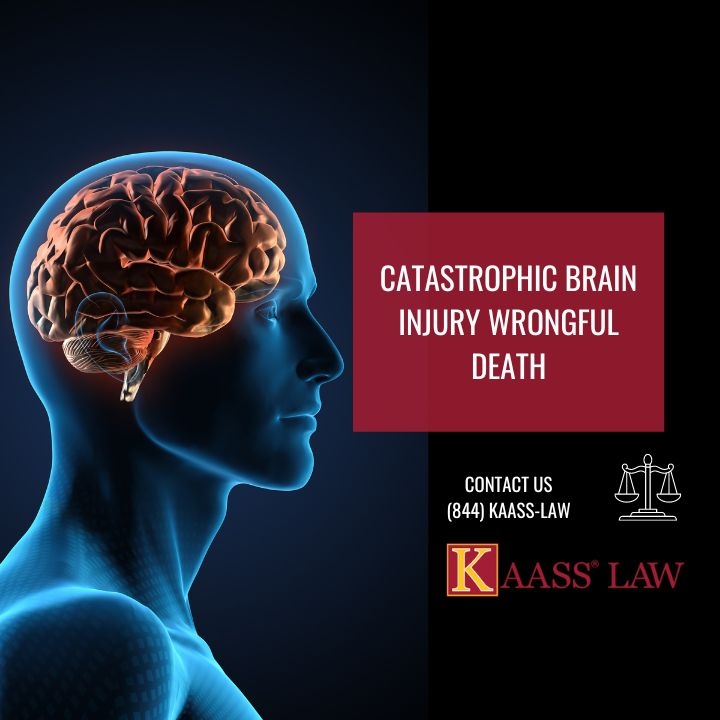
A catastrophic brain injury is any injury to the brain that might lead to the permanent loss of all brain function above the brainstem. There are several levels of brain injuries, ranging from "minor" ones like concussions to more serious traumatic brain injuries. The rehabilitation process for a brain injury differs from person to person, depending on the degree of the lesion. It's vital to highlight that all brain injuries should be addressed carefully; even if a concussion is considered "mild," it can have severe consequences for patients. Never assume that your injury is unimportant. Take your injuries seriously and contact a doctor as soon as possible following an accident, since you may have suffered brain damage that might result in irreversible loss of brain function.
What Causes Catastrophic Brain Injuries?
Anything that impacts your head or produces these damage to your head might result in a brain injury of this size. Among the most prevalent reasons are:
Accidents in Automobiles
Falling in Sports Injuries
Workplace Injuries
Violence
Injuries sustained during combat
Catastrophic Brain Injury Symptoms
Depending on whatever area of your brain was hurt and how severely, you may suffer different symptoms. You might encounter any of the following signs:
No Memory
Difficulty Coma or a shift in awareness that you see or hear
Headaches
Light sensitivity Seizures
Extreme Depression or Anxiety
Trouble Concentration or Confusion
Wrongful Death
The Effects of Severe Brain Injuries on Your Life
This sort of injury can have a significant impact on your life in a variety of ways. It could alter the kind of work you can accomplish and the way you interact with your friends and family. It could also force your family members to alter how they live while taking care of you. Conversely, it could cause a wrongful death. All of these are potential effects that a severe brain injury may have on your life or the life of a loved one.
Physical Training
These brain injuries can occasionally be so devastating that a person must relearn how to walk, take a shower, and even wield a fork and eat by oneself. All of this is either occupational therapy or physical therapy. These counseling sessions are not free. Keep account of all the medical expenses you incur as a result of using these services since you could be eligible for reimbursement.
Hospitalization
Soon following the brain damage, the sufferer frequently has to stay in the hospital while the staff keeps an eye on them. These occurrences are all quite expensive. However, you might be able to ask the accountable party to pay for these expenses.
Lost Salary
A person who has a major injury frequently cannot return to their previous job. These are all examples of lost income, regardless of whether the individual is compelled to choose a job that pays less or is permanently handicapped. You might be able to overcome this sort of loss as well.
Brain Injury Stages
An lengthy hospital stay is frequently required for these kinds of injuries. You will need to be watched over by medical workers whether you enter a coma, a vegetative state, or a minimally conscious condition. What makes those states different from one another?
A person in a coma is unconscious and unable to react to stimuli. Sometimes people enter them voluntarily, while other times medical professionals induce them.
Those who are in a vegetative condition can move their eyelids or make reflex actions but are nonetheless oblivious to their environment.
A person's awareness will be affected in the minimally conscious state. There are indications that they are aware of their environment and of themselves.
Consult an Attorney
Consult a skilled lawyer at Kaass Law if you or someone you know has suffered a severe brain damage. We'll carefully examine your situation and strive to get you the full amount of compensation you're due. Additionally, please visit our other website for more information on case topics you could potentially receive compensation for. Feel free to give our office a call and speak to an attorney by dialing 310.943.1171.
Stockholders' meetings play an essential role in corporate governance, providing an opportunity for shareholders to participate in decision-making processes. So, section 211 of the Delaware code (hereinafter: The Section) covers key provisions related to these meetings, including topics such as meeting locations, remote communication participation, annual and special meetings, and the method of conducting director elections. This report aims to provide a comprehensive and reader-friendly overview of Section 211, highlighting its significant provisions and their impact on ensuring effective stockholders' meetings.
Key Provisions of Delaware Code Section 211:
Meeting Location. The Section offers flexibility in determining the meeting location. It allows the certificate of incorporation, bylaws, or the board of directors to choose where the meeting will be. This provision empowers companies to select suitable venues within or outside the state, providing convenience for stockholders attending the meetings.
Remote Communication Participation. So, the section enables stockholders and proxyholders to participate in meetings via remote communication, thus recognizing the growing importance of virtual participation, allowing individuals to engage in meetings without physical presence. The Section establishes guidelines for verifying participants' identities and maintaining accurate records of remote votes or actions. This could include visual identification through or voice identification, etc.
Annual Meetings and Special Meetings. The Section distinguishes between annual and special meetings. Annual meetings serve to conduct regular corporate business, while special meetings address specific purposes outlined in the meeting notice. The provision grants authority to the board of directors or authorized individuals to call special meetings, and it permits stockholders to elect directors by written consent under specific conditions. This provision ensures that both routine matters and important issues requiring immediate attention are appropriately addressed.
strategies The loss of a loved one is a profoundly painful and emotionally challenging experience. When that loss is due to the negligence or wrongful actions of another party, it can be especially devastating. Pursuing a wrongful death claim is one way to seek justice and compensation for such losses. However, many families choose to negotiate a settlement rather than go through a protracted and emotionally taxing trial. In this essay, we will explore negotiating strategies for wrongful death settlements, recognizing that these cases require a unique approach due to their sensitive nature and complex legalities.
Selecting the Right Attorney: The Foundation of Success
Choosing the right attorney is the cornerstone of a successful negotiation process in wrongful death cases. The expertise, experience, and reputation of your attorney can significantly impact the outcome of your settlement. A skilled wrongful death attorney will assess the merits of your case, determine liability, calculate potential damages, and offer invaluable guidance throughout the negotiation process.
Comprehensive Gathering of Evidence
Strong evidence forms the bedrock of a successful wrongful death case. To bolster your position in negotiations, it is essential to collect and preserve all relevant evidence. This may include accident reports, medical records, eyewitness statements, expert opinions, and any other documentation that demonstrates liability and the extent of damages. Robust evidence not only strengthens your case but also serves as a persuasive tool during negotiations.
Establishing Clear Liability
In wrongful death cases, it is imperative to establish clear liability on the part of the defendant. This entails demonstrating that the negligent or wrongful actions of the defendant directly caused the death of your loved one. A strong case for liability is often the linchpin in securing a favorable settlement, as it compels the opposing party to consider the potential consequences of a trial.
Common Challenges in negotiating damages require careful consideration. Choosing an appropriate compensation amount for a wrongful death lawsuit can be difficult because the claims are complicated legally and emotionally. In this article, we'll look at some of the most typical obstacles to negotiating compensation in wrongful death claims and offer advice on how to overcome them.
One of the common challenges in negotiating damages is proving liability. To successfully negotiate for damages, it's crucial to demonstrate that the responsible party had a duty of care towards the deceased and that this duty was breached, resulting in their death. Gathering evidence, witness testimonies, and expert opinions play a vital role in establishing liability. However, this process can be time-consuming and may face resistance from the opposite party.
2. Determining the Value of Non-Economic Damages
Non-economic damages, such as pain and suffering, loss of companionship, and emotional distress, can be challenging to quantify. Unlike economic damages which have tangible costs, putting a dollar value on intangible losses is inherently subjective. Negotiators must rely on precedent, expert testimony, and the unique circumstances of the case to arrive at a reasonable figure. This can lead to disagreements between parties and make negotiations more complex.
Food allergies affect millions of people worldwide, making food safety a paramount concern. For individuals with food allergies, even a tiny trace of an allergen in their food can lead to life-threatening reactions. This is why accurate food labeling is crucial. Unfortunately, instances of food allergy mislabeling have led to wrongful deaths, highlighting the urgent need for stricter regulations and heightened awareness.
The Importance of Food Allergy Labeling
Food labels play a critical role in safeguarding the health and lives of those with food allergies. Accurate labeling is not only a matter of convenience; it is a matter of life and death. For those with allergies, being able to trust the information on a food label is the first line of defense against consuming allergenic substances unknowingly.
The Tragic Consequences of Food Allergy Mislabeling
Tragically, food allergy mislabeling can lead to fatal consequences. When a product is mislabeled or fails to disclose the presence of allergens, it can result in a person unknowingly consuming the allergen, triggering a severe and potentially lethal allergic reaction. Anaphylaxis, a severe allergic reaction, can occur within minutes and, if not promptly treated, can be fatal. Wrongful death cases arising from food allergy mislabeling are a stark reminder of how this issue extends beyond inconvenience and becomes a matter of life and death.
Case Studies
Let's examine a few cases where food allergy mislabeling led to wrongful deaths:
The Peanut Butter Surprise: A mother purchased a snack labeled as peanut-free for her child with a severe peanut allergy. Unfortunately, the product was mislabeled, and it contained peanuts. The child consumed the snack at school, and within minutes, he experienced anaphylaxis. Despite the best efforts of school staff and paramedics, he could not be saved.
One essential component of our existence is the food that we eat. We rely on the food business to provide us with wholesome and safe goods. Sadly, there are times when the food business betrays this confidence, leading to poisonous food products that cause unintentional deaths. In this blog, we explore the heartbreaking stories of individuals who have perished as a result of consuming dangerous food, the legal consequences that ensue, and the actions required to prevent these tragedies.
The Unknown Risks on Our Plates
Food is a basic human need that we frequently take for granted. Although we assume that the food we purchase and eat satisfies a set of safety requirements, this isn't always the case. Food items that are toxic can be found in our own kitchens, restaurants, and grocery stores. The following are a few risks connected to poisonous food products:
Tainted produce can cause foodborne diseases and, in rare circumstances, can lead to untimely deaths. Fruits and vegetables contaminated with pesticides or dangerous microorganisms are the culprits.
Meat and seafood that manufacturers have tainted or falsified might contain harmful microorganisms, resulting in fatalities and severe illnesses.
Bacteria such as Salmonella, E. Coli, and Listeria are responsible for severe food poisoning and potentially fatal consequences.
Canned foods, when incorrectly processed or stored, may release toxins like botulinum, which can cause unintentional deaths.
Inadequate labeling and food preparation can put people with food allergies at serious risk when cross-contamination occurs.
The occurrences of hazardous food items highlight the necessity of strict quality assurance and security protocols in the food sector.
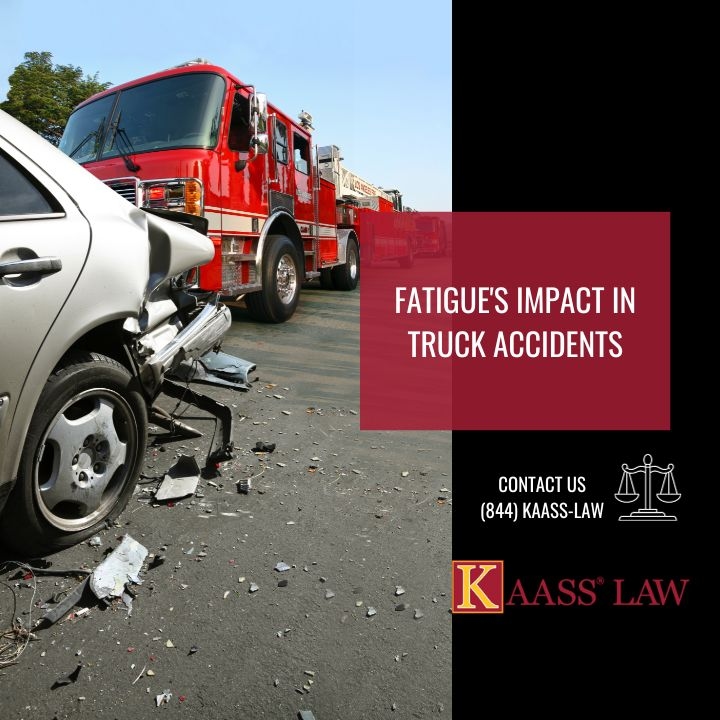
Fatigue's impact obviously impairs both the drivers and the general public with the demanding schedules and extended hours on the road. Since the long-haul truck drivers are the backbone of the transportation business they travel enormous distances to ensure that products reach on time at their destinations.
The Cost of Working Long Hours
Hours of driving on the road may wear even the most experienced truck drivers out. Unlike traditional nine-to-five jobs, truckers often work extended shifts, sometimes spending days away from home. The pressure to meet deadlines and cover extensive distances can lead to sleep deprivation and fatigue.
Fatigue Understanding
Fatigue is more than just feeling tired. It is a complex state of physical and mental exhaustion that impairs a person's ability to perform tasks safely and effectively. In the context of trucking, fatigue's impact can lead to impaired judgment, slower reaction times, and decreased alertness – all of which are dangerous when operating a large, heavy .
Do you know what to do if a family member has died and it wasn't "simply" an accident? You still need to take care of yourself and your long-term financial security even while you're grieving. Here's how to determine if you can pursue a wrongful death claim and what damages you may be entitled to. The loss of a loved one is one of life's most tragic events. Whatever the situation, it hurts for everyone concerned. While the majority of fatalities are due to natural causes, there are some circumstances in which you could lose a loved one as a result of someone else's or something else's carelessness.
Social media platforms now play a big role in our daily lives—how we share, communicate, and record our experiences. But the use of this data in court cases has changed the landscape of how we pursue justice. In this blog, we will discuss the ramifications and effects of social media evidence in wrongful death lawsuits.
Proof of Wrongful Death on Social Media
For many people, social media sites like Facebook, Instagram, Snapchat, and Twitter have replaced their physical journals. On these platforms, people share their ideas, feelings, experiences, and even moment-to-moment updates about their life. When it comes to legal cases, this abundance of information can be both a benefit and a liability.
The Blessing: Utilizing data to support a claim can be quite beneficial. It can include records of the occasions, places, and pursuits both before and after the untimely demise. This evidence can support or refute witness testimony and aid in creating a timeline.
The Curse: However, the uncensored nature can also result in misconceptions, false information, and sometimes even evidence tampering.
Social Media as a Source of Evidence on Wrongful Death
Embarking on the journey to California, trucks navigate a challenging path marked by a heightened risk of accidents. These incidents, fueled by various factors, demand a closer look to foster safer highways for everyone involved. Incidence Frequency and Contributing Factors: Understanding the Statistics and Causes Truck accidents are unfortunately not uncommon on the roads leading to California. The sheer size and weight of these vehicles amplify the consequences, extending beyond property damage to encompass injuries and fatalities for drivers and other road users. Contributing Factors to these incidents include speeding on open highways, tempting truck drivers to exceed speed limits, and the demanding schedules of truck drivers contributing to fatigue. Impact Analysis and Regulatory Measures: Beyond Property Damage and Enforcing Safety Standards The Impact of these accidents is far-reaching, compromising overall road safety with traffic disruptions and property damage as common outcomes. Addressing these issues becomes imperative to ensure a safer journey for everyone on the road. Regulatory Measures and Compliance play a vital role in mitigating these risks, enforcing mandatory rest periods to combat driver fatigue, and implementing strict speed limit enforcement. Technological Integration and Collaborative Efforts: Advancements for Safer Roads and Industry-Wide Solutions Technological Solutions contribute to improving safety on the road, with Advanced Driver Assistance Systems (ADAS) adding an extra layer of safety and Telematics and Fleet Management Systems monitoring driver behavior. Collaboration is key to addressing the multifaceted challenges of truck accidents, with industry-wide collaboration between trucking companies, regulatory bodies, and law enforcement agencies leading to comprehensive solutions. In Conclusion: Paving the Way for Safer Journeys In Conclusion, the roads to California should promise opportunity, not be marred by preventable accidents. By collectively addressing contributing factors, implementing regulations, and embracing technological advancements, we can pave the way for safer journeys. Let's steer towards a future where the journey is as important as the destination, free from avoidable accidents.
Consequences of Failing to Hold Meetings. Also, the Section emphasizes the importance of prompt action by directors to arrange the annual meeting in case of delay or failure to act by written consent. It also outlines the option available to stockholders or directors who can apply to the Court of Chancery if there was no annual meeting or director election within the specified period.
Method of Conducting Director Elections. The Section establishes the requirement for the board to conduct director elections through a written ballot. Unless the certificate of incorporation specifies an alternative method. The section provides an option for electronic transmission of ballots if authorized by the board of directors. Electronic ballots can involve transmission of ballots and votes via telephones, private computer networks, or the Internet.
Significance of Section 211:
Protection of Shareholder Rights. By defining the rules for stockholder meetings, Section 211 protects the rights of shareholders to actively participate in corporate decision-making. It ensures that shareholders are informed, have an opportunity to express their views, and can exercise their voting rights in an equitable manner.
Transparency and Accountability. The provisions of Section 211 promote transparency and accountability in corporate proceedings. By specifying notice requirements, record dates, and procedures for conducting meetings, it reduces the scope for ambiguity or manipulation, fostering a fair and level playing field for all stakeholders.
Standardization and Predictability. Section 211 provides a standardized framework for stockholder meetings, creating predictability and consistency in corporate practices. This allows companies and shareholders to understand their respective rights and obligations. Thereby minimizing potential disputes and enhancing the overall efficiency of corporate governance.
Delaware's Influence. Due to its well-developed legal framework and specialized courts, Delaware is widely regarded as the preferred jurisdiction for corporate entities . Section 211 reflects Delaware's commitment to maintaining its position as a corporate law leader and reinforces its appeal to businesses considering incorporation in the state.
The Delaware Code's Section 211 is the cornerstone of corporate governance in the state. Its standards for holding stockholder meetings, protection of shareholder rights, transparency, and improved corporate accountability are all included in its provisions. The health and dependability of Delaware's corporate ecosystem depends on corporations and shareholders alike understanding and abiding by Section 211. If you need assistance from experienced attorneys, contact KAASS Law. For other practices, please visit this website.
Negotiating strategies in a wrongful death case necessitates a meticulous and accurate calculation of damages. These damages can be categorized into economic losses (such as medical expenses, funeral costs, and lost income) and non-economic losses (such as pain and suffering, loss of companionship, and emotional distress). Collaborate closely with your attorney to quantify these damages comprehensively and present them persuasively during negotiations.
Understanding Defendant's Insurance Coverage
In many wrongful death cases, the defendant's insurance coverage plays a pivotal role in determining the potential settlement amount. To navigate negotiations effectively, it is essential to understand the defendant's policy limits and coverage details. Your attorney can help you decipher and strategize accordingly.
Commence with a Strong Demand Letter
The negotiation process typically begins with the submission of a demand letter to the defendant or their insurance company. This letter serves as a comprehensive outline of your case's merits, the damages incurred, and your initial settlement demand. Crafting a well-documented and persuasive demand letter is crucial, as it sets the stage for subsequent negotiations.
Be Prepared to Compromise
Effective negotiation often hinges on the willingness to compromise. While you may have a clear idea of the settlement amount you desire, it is essential to remain open to adjustments based on the negotiations. Your attorney's expertise can guide you on when to stand firm and when to make concessions, striking a balance that leads to a mutually agreeable settlement.
Utilize Mediation as a Resource
Mediation is an increasingly favored approach for resolving wrongful death cases. In a mediation setting, a neutral third party, the mediator, facilitates discussions between the parties involved to reach a settlement. Mediation can be less adversarial than a trial, fostering an environment conducive to successful negotiations. Parties may feel more comfortable expressing their concerns and exploring potential resolutions, often resulting in more favorable outcomes for both sides.
Maintain Open and Professional Communication
Effective communication is paramount in wrongful death negotiations. Keeping lines of communication open with the defendant's legal team or insurance representatives is essential. Approach these interactions with respect and professionalism, fostering a cooperative atmosphere that can lead to more productive discussions.
Consider Future Costs
In wrongful death negotiations, it is crucial to consider future costs and damages. These may include ongoing medical expenses for surviving family members, loss of future income, and other potential financial burdens. Collaborate with your attorney to project these costs accurately, ensuring that your settlement adequately addresses both current and future needs. Negotiating strategies in a wrongful death settlement is a multifaceted and emotionally charged process. It demands a delicate balance of legal acumen, negotiation skills, and empathy. While no amount of compensation can truly compensate for the loss of a loved one, a fair settlement can help provide financial stability and a sense of justice.
Finding the Right Attorney
To navigate this complex journey effectively, start by selecting an experienced attorney who can guide you through the intricacies of the law. Gather robust evidence to strengthen your case and establish clear liability. Accurately calculate damages, understand the defendant's insurance coverage, and initiate negotiations with a well-crafted demand letter. Evidently, the goal of negotiating a wrongful death settlement is to provide some measure of closure and financial support to those left behind. Although the process can be arduous, with the right strategies and legal representation, it is possible to achieve a settlement that serves the best interests of the grieving family. Further, be sure to visit our other website for more information related to potential cases.
In some cases, the deceased may have contributed to the accident or incident that led to their death. This concept, known as comparative fault, can complicate negotiations. States have different rules regarding how comparative fault affects damages. Determining the extent to which the deceased was responsible for their own demise can be a contentious issue, potentially leading to prolonged negotiations.
4. Assessing Future Losses
The negotiation of damages must take future losses into account. Accordingly, estimates of the deceased's prospective earnings and any other financial support they might have given their family are included in this. When taking into account variables like inflation, employment shifts, and ambiguous economic situations, these estimates may be speculative and open to debate.
5. Addressing Insurance Coverage Limits
Insurance policies often have limits on the amount they will pay out for wrongful death claims. When negotiating damages, it's important to be aware of these limits and to explore other potential sources of compensation. This might involve identifying additional liable parties or pursuing claims against different types of insurance policies.
6. Handling Emotional Toll on Survivors
Negotiating damages in wrongful death cases is emotionally taxing for the surviving family members. Dealing with grief and loss while simultaneously navigating complex legal processes can be overwhelming. This emotional strain can impact the negotiation process, potentially leading to rushed decisions or heightened emotions during discussions.
7. Balancing Public Perception and Legal Strategy
Public opinion can place enormous pressure on talks in high-profile cases. The negotiation process may be influenced by the reputations of the parties involved as well as the case's larger consequences. It can be tricky to strike a balance between the necessity to regulate public perception and the need for a just resolution.
Contact an Attorney
Negotiating damages in wrongful death cases requires careful consideration of numerous factors, from establishing liability to valuing non-economic losses. Dealing with comparative fault, assessing future losses, and managing insurance coverage limits are additional hurdles that negotiators must navigate. Moreover, the emotional toll on survivors and the potential impact of public perception further complicate the process. By seeking the counsel of seasoned legal specialists and making use of their abilities, the probability of a successful negotiation can eventually be significantly boosted. Furthermore, addressing these problems may lead to a solution that is more fair to all parties involved. Open communication, thorough planning, and a readiness to take into account novel ideas enable this. Consequently, you have the opportunity to delve into supplementary practice areas within our specific field. Kindly click on this link for more details.
The Hidden Ingredient: A young adult with a soy allergy ordered a meal from a restaurant that advertised a soy-free dish. However, unbeknownst to her, the sauce used in the dish contained soy. She experienced a severe allergic reaction at the restaurant and passed away before medical help could arrive.
The Unlabeled Cross-Contamination: A teenager with celiac disease purchased a gluten-free product from a grocery store. The label did not indicate any gluten-containing ingredients. However, it was later discovered that the product was produced in a facility that also processed wheat. The teenager experienced a severe reaction and passed away.
The Legal Aspect
In the wake of such tragic events, families often seek justice through wrongful death claims. Wrongful death lawsuits involving food allergy mislabeling typically allege negligence on the part of the food manufacturer, distributor, or restaurant. The burden of proof often involves demonstrating that the mislabeling was a direct cause of death.
Challenges in Pursuing Justice
While pursuing justice in cases of food allergy mislabeling is crucial, it is not without challenges. Proving causation can be complex, as it often involves an in-depth investigation into the supply chain, manufacturing processes, and any potential lapses in quality control. Establishing that the mislabeling directly led to the allergic reaction and subsequent death can be legally intricate.
The Need for Stricter Regulations
To prevent such tragedies, it is essential to advocate for stricter regulations and oversight in the food industry. Food manufacturers must adhere to rigorous labeling standards to ensure the safety of consumers, especially those with food allergies. Additionally, penalties for mislabeling should be sufficiently severe to deter companies from taking shortcuts or being lax in their labeling practices.
Increasing Food Allergy Awareness
Raising awareness about the risks of food allergy mislabeling is equally important. Individuals with food allergies must remain vigilant and double-check labels. It's also crucial for family members, friends, and restaurant staff to be educated about the severity of food allergies and the potential risks of mislabeling. Restaurants and food service providers must take food allergies seriously. This includes ensuring accurate ingredient lists, cross-contamination prevention, and training staff to recognize and respond to allergic reactions promptly.
Conclusion
The wrongful deaths caused by food allergy mislabeling are heart-wrenching and avoidable. It is a shared responsibility of consumers, the food industry, and regulators to ensure that food labeling is accurate and reliable. Awareness, vigilance, and advocacy are the keys to preventing future tragedies. While we cannot change the past, we can work together to protect the lives of those with food allergies in the future, ensuring that no one has to suffer the pain of wrongful death due to mislabeled food.
If poisonous food products result in untimely deaths, the victims and their families have legal recourse to pursue justice. The ensuing components need to be developed in order to hold those accountable:
Defective or Contaminated Food Product.
Causation. You have to prove that the poisonous food item was the direct cause of the untimely death.
Liability. Establishing who bears responsibility can be difficult and frequently entails a restaurant, a distributor, a manufacturer, or a store.
Damages. The departed person's family may be entitled to reimbursement for a range of losses, such as hospital bills, burial fees, missed wages, and psychological distress.
The judicial system is an essential tool for the victims' and their families' quest for justice. But it's also about making people answerable for their carelessness and pushing the food sector to put public health ahead of corporate profits.
Stopping Future Disasters
Toxic food product-related deaths that aren't accidental are a sobering reminder of the need for stronger food safety laws, exacting quality assurance standards, and moral behavior. Wrongful deaths caused by toxic food products serve as a poignant reminder of the need for stricter food safety regulations, stringent quality control measures, and ethical practices within the food industry. To prevent such tragedies from recurring, here's the several critical steps:
Regulatory Oversight. Government agencies must rigorously monitor and regulate food safety standards, ensuring that they are consistently met.
Consumer Education. Educating consumers about food safety, proper handling, and awareness of food recalls is crucial to prevent foodborne illnesses.
Corporate Accountability. The food industry must prioritize the safety of their products over profit, investing in proper quality control measures and safety training.
Legal Reforms. Advocacy for legal reforms to make it easier for victims and their families to seek justice and compensation in wrongful death cases.
In summary Toxic food product-related deaths that aren't accidental are a part of a larger problem with food safety and responsibility. In addition to seeking recompense, the pursuit of justice entails holding those accountable and working to avert future tragedies of a similar nature. In order to guarantee that food products are safe to eat and that toxic food product-related deaths become an uncommon incident rather than a constant tragedy, society as a whole must work together.
Fatigued driving is all too common in the trucking sector, with disastrous effects. According to studies, fatigued driving is just as harmful as driving under the influence of alcohol or drugs. A tired driver is more prone to make important errors, such as drifting out of their lane, failing to see traffic signals, or failing to respond in time to unexpected obstructions.
Regulatory Requirements
Recognizing the inherent dangers of weariness in the trucking sector, regulatory agencies have set rules to reduce these risks. The Federal Motor Carrier Safety Administration (FMCSA) in the United States, for example, enforces strict Hours of Service (HOS) regulations that dictate how many consecutive hours a driver can be on duty and how much rest they must have between shifts.
The Pressure to Meet Deadlines
The need to achieve tight delivery dates can often push drivers beyond their limits, in spite of these limitations. They might be tempted to forego rest breaks or exceed their allowable hours of service in order to fulfill their obligations. This practice, however, only exacerbates the risk of fatigue-related accidents.
Signs of Fatigue
It's crucial for truck drivers to be aware of the signs of fatigue and take them seriously. These signs can include:
Persistent yawning and blinking
Difficulty focusing or keeping eyes open
Drifting out of the lane or onto rumble strips
Trouble recalling the last few miles driven
Recognizing these signs early can mean the difference between a safe journey and a potentially catastrophic accident.
Combating Fatigue
Preventing fatigue-related accidents starts with proper rest and sleep. Truck drivers must prioritize getting enough sleep before embarking on long trips. Additionally, taking regular breaks during their shifts can help refresh their minds and bodies. Furthermore, maintaining a healthy lifestyle plays a crucial role. A balanced diet, regular exercise, and staying hydrated can all contribute to alertness and overall well-being.
Employers' Role in Fatigue Prevention
Trucking companies also bear a responsibility in preventing fatigue-related accidents. They should provide comprehensive training on recognizing and managing fatigue, as well as encourage a culture of safety that prioritizes well-rested drivers.
Contact an Attorney
Fatigue's impact is a serious and pervasive issue in the trucking industry. Recognizing its impact on safety is essential for both drivers and the companies that employ them. By prioritizing proper rest, adhering to regulatory measures, and creating a culture of safety, we can work together to reduce the fatigue's impact in trucking and ensure safer roads for everyone. Remember, a well-rested driver is a safer driver. Additionally, visit this link to learn more about our other practice areas
There are numerous formats available for evidence in wrongful death cases. Posts with written annotations and status updates can provide insight into the relationships, pursuits, and mental state of the departed individual before the incident.
Pictures and videos. These types of media can be used as vital evidence in court cases because they record events, locations, and conversations that are relevant to the case.
Location Information. Many sites record a user's location when they upload content. With the use of this information, a person's location can be verified.
Communications Records. It is feasible to obtain private messages and conversations as proof, which may shed light on exchanges or discussions that could be relevant to the case.
Legal Proceedings in Wrongful Death Cases
The use of social media evidence in wrongful death cases can have a significant impact on the legal process. An important effect on the legal process can result from the use of social media evidence in wrongful death cases. Facts are supported by social media evidence, which gives a more accurate account of the incidents and circumstances leading up to the wrongful death.
Character Assessment: The way that the deceased person is perceived as having behaved can be influenced by content, which could have an impact on the case's outcome.
2.Effect on Settlements: Solid social media proof may persuade wrongful death case participants to settle out of court rather than going to trial. 3.Privacy Issues: There are issues with privacy because of high social media usage. So, it is difficult to strike a balance between one's privacy and the need for evidence.
What to do?
Social media evidence has become a double-edged sword in wrongful death cases. While it can be a valuable tool for establishing timelines, corroborating facts, and understanding the circumstances leading up to a tragedy, it also raises questions about privacy, authenticity, and the potential for manipulation. Contact KAASS Law to get professional assistance from experienced wrongful death attorneys.