
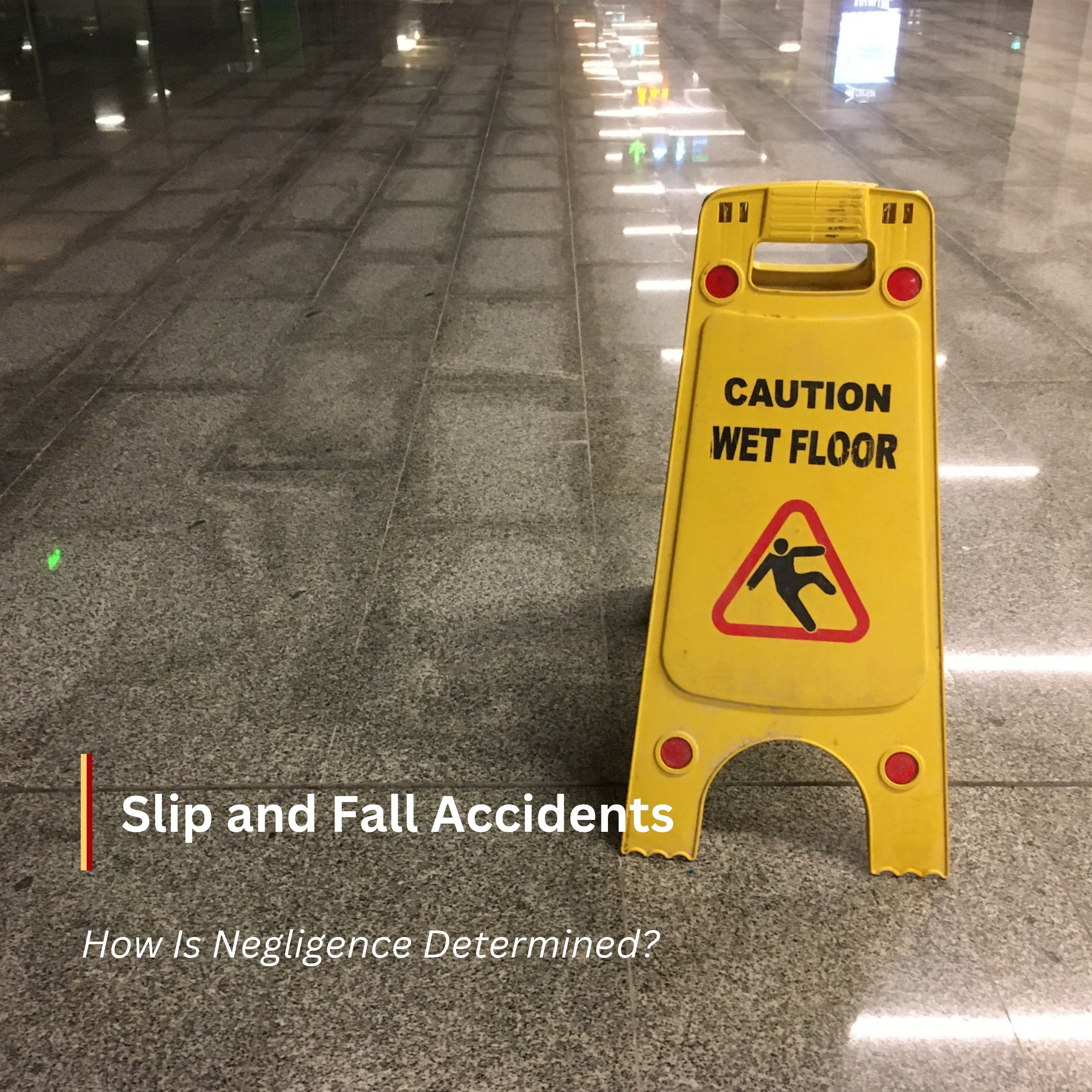
A slip and fall accident can be extremely dangerous for individuals, especially when the necessary steps are not taken afterward. These types of incidents may occur in shopping malls, restaurants, grocery stores, or even in your own home. Understanding the ways to reduce the risk of a slip and fall accident and the importance of seeking legal guidance may help you protect your health and well-being for the future.
Slip and fall negligence may occur when a property owner, business operator, or another responsible party fails to exercise reasonable care in maintaining property, and that failure causes someone to suffer an injury. California premises liability law requires property owners and occupiers to take reasonable steps to address dangerous conditions that could potentially harm visitors. Understanding the causes of a slip and fall accident and ways to reduce the risk of one from happening is crucial for maintaining your safety moving forward.
1. Duty of Care
The first question is whether the defendant owed the injured person a duty to exercise reasonable care. Property owners and occupiers generally have a duty to maintain their premises in a reasonably safe condition. The extent of reasonable care depends on the circumstances, including the property's condition and the foreseeability of harm.
2. Breach of Duty
A breach occurs when the responsible party fails to act as a reasonably careful person or business would under similar circumstances. Examples of this may include, but are not limited to, the following.
The existence of a dangerous condition alone does not necessarily establish negligence. The court must consider whether the defendant's behavior fell below the applicable standard of care.
3. Causation
The injured person must demonstrate that the defendant's negligence was a significant factor in causing the injury. For example, if someone falls because of a loose floor tile, evidence must connect that condition to the accident. Medical records, witness statements, photographs, and surveillance footage may help establish how the accident occurred.
4. Damages
Finally, the injured person must establish that the accident caused legally recognized harm. Depending on the circumstances, damages may include but are not limited to the following.
It is important to understand that the availability and amount of damages depend on the evidence and applicable law.
One important issue in slip and fall liability is whether the property owner knew, or reasonably should have known, about the hazard. California law recognizes two forms of notice.
Actual notice occurs when the property owner or employee directly knows about a dangerous condition.
Constructive notice may exist when a dangerous condition has been present long enough that a reasonably careful inspection would have discovered it. This makes inspection records, maintenance logs, and surveillance footage important pieces of evidence.
California follows a pure comparative negligence system. Factors that may affect comparative negligence include whether the person was distracted, ignored visible warnings, or failed to exercise reasonable care. However, these circumstances do not automatically prevent a claim.
Evidence can play an important role in determining whether a property owner or business failed to exercise reasonable care. Relevant evidence may include but is not limited to the following.
Preserving evidence as soon as possible may be important because hazardous conditions can change, surveillance footage may be overwritten, and witnesses may become difficult to locate.
After a slip and fall accident has occurred, injured individuals may benefit from documenting the scene, reporting the incident, obtaining appropriate medical attention, and preserving relevant records. In addition, it may be beneficial to seek the help of a legal professional who can review the facts of your case, preserve important pieces of evidence, and determine potentially responsible parties moving forward.
At KAASS LAW, our qualified personal injury attorneys are determined to help victims who have suffered injuries from a slip and fall accident. Oftentimes, these types of incidents may cause serious or life-threatening injuries that may leave individuals in a state of panic. That is where KAASS LAW comes in. Our legal team may provide help and guidance so that victims can focus on the recovery process. Don’t wait. Call KAASS LAW today to learn more and discuss your potential options moving forward.
Learn who may be liable for parking lot slip and fall injuries in California, including property owners, managers, and maintenance companies.
Learn what injured shoppers should know after store slip and falls, including common hazards, evidence, liability, and California legal options.
Learn when grocery stores may be responsible for slip and fall accidents, common hazards, evidence, and legal options under California law.