Pressure Cooker Explosions: When a Blown-Off Lid Causes Serious Injuries
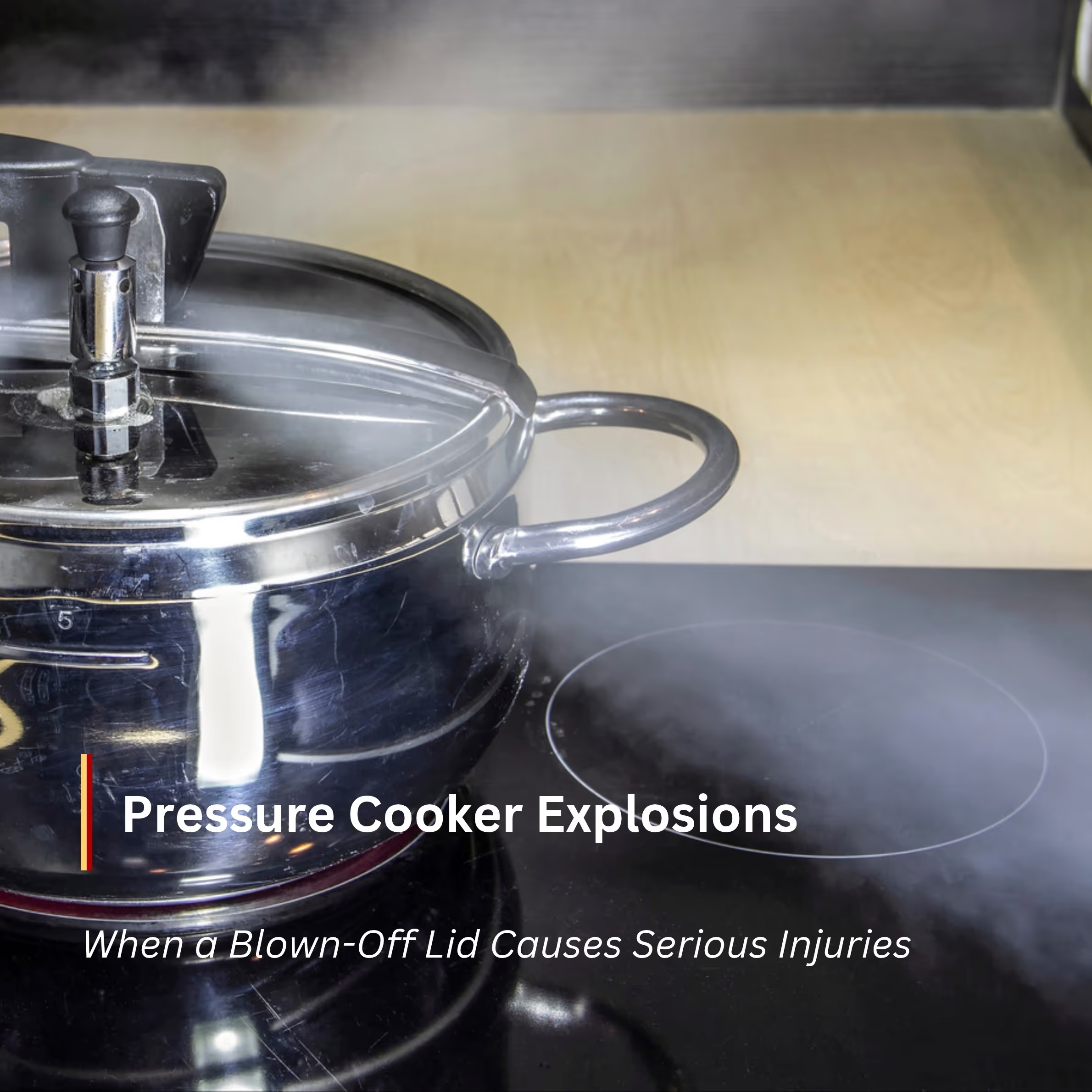
Pressure cookers are often used in households and commercial kitchens because they prepare meals quickly and efficiently. However, when a pressure cooker malfunctions, the consequences can be serious. When a pressure cooker explosion causes an injury, determining responsibility may involve examining the appliance's design, manufacturing process, safety warnings, and the circumstances surrounding the incident. Understanding these accidents and the necessary steps to take moving forward is crucial for your health and well-being.
What Can Cause a Pressure Cooker to Explode?
Pressure cookers work by trapping steam inside a sealed container, allowing internal pressure and temperature to rise. Several factors may cause a pressure cooker to explode. These may include, but are not limited to:
Defective Lid-Locking Mechanism
Many pressure cookers contain locking systems designed to prevent the lid from opening while the appliance remains pressurized. If a locking mechanism fails, the lid may become detached unexpectedly, releasing hot contents toward anyone nearby.
Malfunctioning Pressure-Release Valve
Pressure-release valves help regulate internal pressure. A defective or obstructed valve may interfere with proper pressure control, potentially increasing the risk of a dangerous malfunction.
Manufacturing Defects
Manufacturing problems may affect the integrity of components such as seals, gaskets, locking pins, or pressure sensors.
Improper Use or Maintenance
Overfilling the appliance, using damaged components, or failing to follow operating instructions may also cause a pressure cooker to explode.
What Kinds of Injuries may Occur after a Pressure Cooker Explosion?
When a pressure cooker lid separates unexpectedly, the sudden release of steam and heated contents can cause significant injuries. Common injuries may include, but are not limited to, the following.
- Thermal burns: Contact with boiling water, hot food, or steam may cause first-, second-, or third-degree burns.
- Facial and eye injuries: Hot liquids or flying components may damage the face, eyes, or surrounding tissues.
- Lacerations and impact injuries: A detached lid or other appliance components may strike someone nearby.
- Permanent scarring: Serious burns may require skin grafts or other medical treatment and may result in lasting changes to the skin.
- Psychological distress: Individuals injured in sudden kitchen accidents may experience anxiety or emotional distress afterward.
The severity of an injury depends on factors such as the temperature of the contents, the distance from the appliance, and the nature of the defect. In addition, seeking medical treatment as soon as possible is crucial to prevent the risk of further damage and harm.
Who May Be Held Responsible?
Under California law, several parties may be held potentially liable for injuries involving a defective pressure cooker. These may include but are not limited to:
Product Manufacturers
Manufacturers may face product liability claims when an appliance contains a design or manufacturing defect that contributes to an injury. California often recognizes strict product liability for qualifying product defects, meaning an injured person may not need to establish that the manufacturer acted negligently. However, the injured person must still establish the applicable legal elements, including defect, causation, and the actual injury itself.
Distributors and Retailers
Businesses involved in distributing or selling a defective pressure cooker may also be held responsible when damages occur. Whether a specific business may be held liable often depends on its role in the product's distribution and the circumstances of the case.
Other Potentially Responsible Parties
In some situations, responsibility may involve a repair provider, replacement-part manufacturer, or another party whose conduct contributed to the malfunction. Determining liability often requires examining the appliance, relevant documentation, and available technical evidence.
The Different Types of Compensation that may be Available
Depending on the circumstances and evidence, an injured person may be able to seek compensation for losses associated with a defective pressure cooker. Potential damages may include but are not limited to the following.
- Medical expenses
- Rehabilitation costs
- Lost earnings
- Reduced earning capacity
- Physical pain
- Emotional distress
- Permanent scarring or disfigurement
The availability and amount of damages depend on the injuries, applicable law, evidence, and other case-specific factors.
The Necessary Steps to Follow after a Pressure Cooker Explosion Causes Injuries
After an accident, victims should consider taking the following steps to help protect their health and well-being moving forward. These may include, but are not limited to:
- Seeking medical care and treatment as soon as possible
- Photographing and documenting the scene of the accident before anything gets erased. This may include pictures of the lid, appliance, surrounding area, and your injuries.
- Keeping all components of the appliance in their original state.
Seeking Legal Guidance and Support
After a pressure cooker explosion, victims should consider speaking to a legal professional who may explain applicable laws, review the specific facts of your case, and help you understand your rights moving forward. This is crucial, especially when injuries are severe.
How KAASS LAW Can Help
Our legal team at KAASS LAW is determined to help victims make their way back to recovery after a pressure cooker explosion has occurred. These types of accidents can create serious injuries, leaving victims in a state of fear and shock. The qualified personal injury attorneys at KAASS LAW may preserve important pieces of information and determine potentially liable parties. Don’t wait. Call KAASS LAW today to learn more.
Related Articles
View All Posts
Learn about ceiling collapse injuries, California property owner maintenance duties, liability, and legal options for injured tenants and visitors.
Learn how falling object injuries occur at construction sites, who may be liable, and what legal options are available under California law.

Learn about shopping mall accidents, property owner liability, injured visitors' rights, and legal options available under California law.
