
Visiting a grocery store, apartment complex, restaurant, or shopping center should not expose individuals to unreasonable safety risks. However, poorly maintained properties, inadequate lighting, damaged walkways, and other hazardous conditions can contribute to unexpected accidents and serious injuries.
California premises liability laws establish certain responsibilities for property owners, businesses, landlords, and individuals who control a property. Understanding premises liability laws and the necessary steps to take when an accident occurs is important for maintaining your safety moving forward.
Premises liability is an area of personal injury law that addresses injuries associated with unsafe property conditions. It applies to residential, commercial, and, under separate legal requirements, publicly owned properties. Under California Civil Code Section 1714, individuals generally have a responsibility to exercise reasonable care when managing and maintaining their property.
California law generally requires an injured individual to establish several elements before a property owner or another responsible party may be held liable.
1. Ownership or Control of the Property
The defendant must have owned, occupied, leased, or exercised control over the property associated with the injury.
2. Failure to Exercise Reasonable Care
The injured individual must establish that the responsible party failed to take reasonable precautions to address an unsafe condition.
3. A Connection Between Negligence and the Injury
Evidence must demonstrate that the defendant's negligence was a substantial factor in causing the injury. The existence of a hazardous condition alone does not necessarily establish legal responsibility.
4. Actual Harm
The injured individual must have experienced harm resulting from the incident. Medical records, diagnostic imaging, employment documentation, and other evidence may help establish the nature and extent of that harm.
Premises liability accidents can occur in numerous settings throughout Los Angeles, Glendale, Pasadena, and surrounding Southern California communities. Common examples may include:
An important part in many California premises liability claims is whether the responsible party knew or reasonably should have known about the dangerous condition. California law recognizes two general forms of notice.
The registered property owner is not necessarily the only party that may be held responsible for injuries. Depending on the circumstances, potentially responsible parties may include:
Preserving evidence after an accident can help establish what happened and determine whether reasonable safety measures were taken. Relevant evidence may include:
Obtaining evidence as soon as possible may be important because property conditions can change, repairs may occur, and surveillance recordings may be overwritten.
Under California Code of Civil Procedure Section 335.1, most personal injury lawsuits are subject to a two-year statute of limitations. However, claims involving government-owned property generally have different procedural requirements. Since exceptions and additional deadlines may apply, it is important to consult an attorney, who can help clarify which requirements are relevant to a particular incident.
After suffering an injury on another person's property, individuals should prioritize their health and seek appropriate medical attention. Reporting the incident, documenting the hazardous condition when safe to do so, and retaining relevant records may also assist in evaluating the circumstances. In addition, it may be important to speak to a legal professional in order to understand your rights and responsibilities for the future of your case.
Every premises liability matter involves different facts and legal considerations. Outcomes depend on the available evidence, applicable law, and individual circumstances. The qualified personal injury attorneys at KAASS LAW are determined to help individuals who have been involved in a premises liability claim. Oftentimes, these types of claims may be extremely challenging for individuals to understand on their own. Our legal team may be able to review the specific facts of your case, preserve important pieces of information, and determine potentially responsible parties moving forward. Don’t wait. Call KAASS LAW today to learn more and discuss your potential options moving forward.
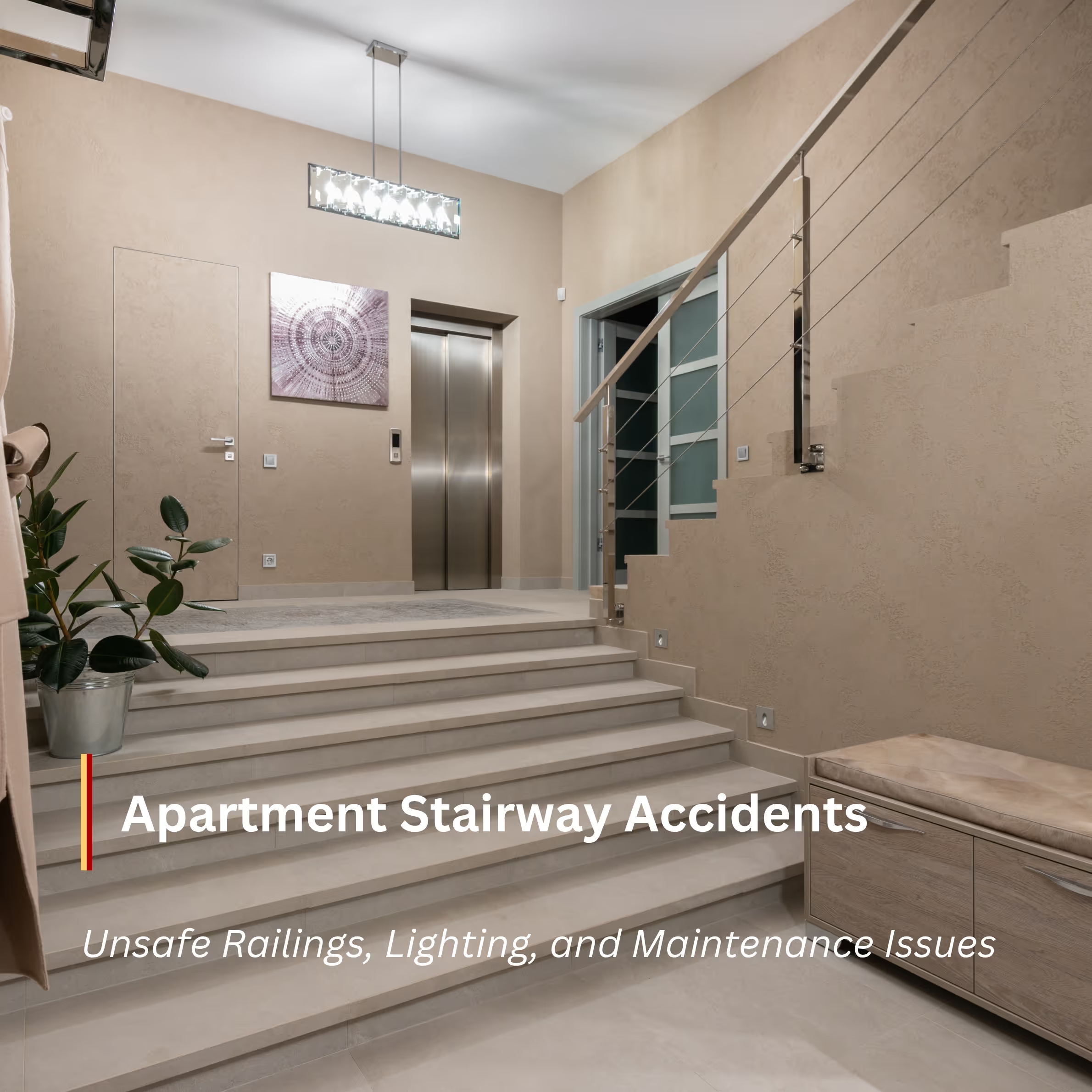
Apartment stairway accidents may result from unsafe railings, poor lighting, damaged steps, or inadequate property maintenance.
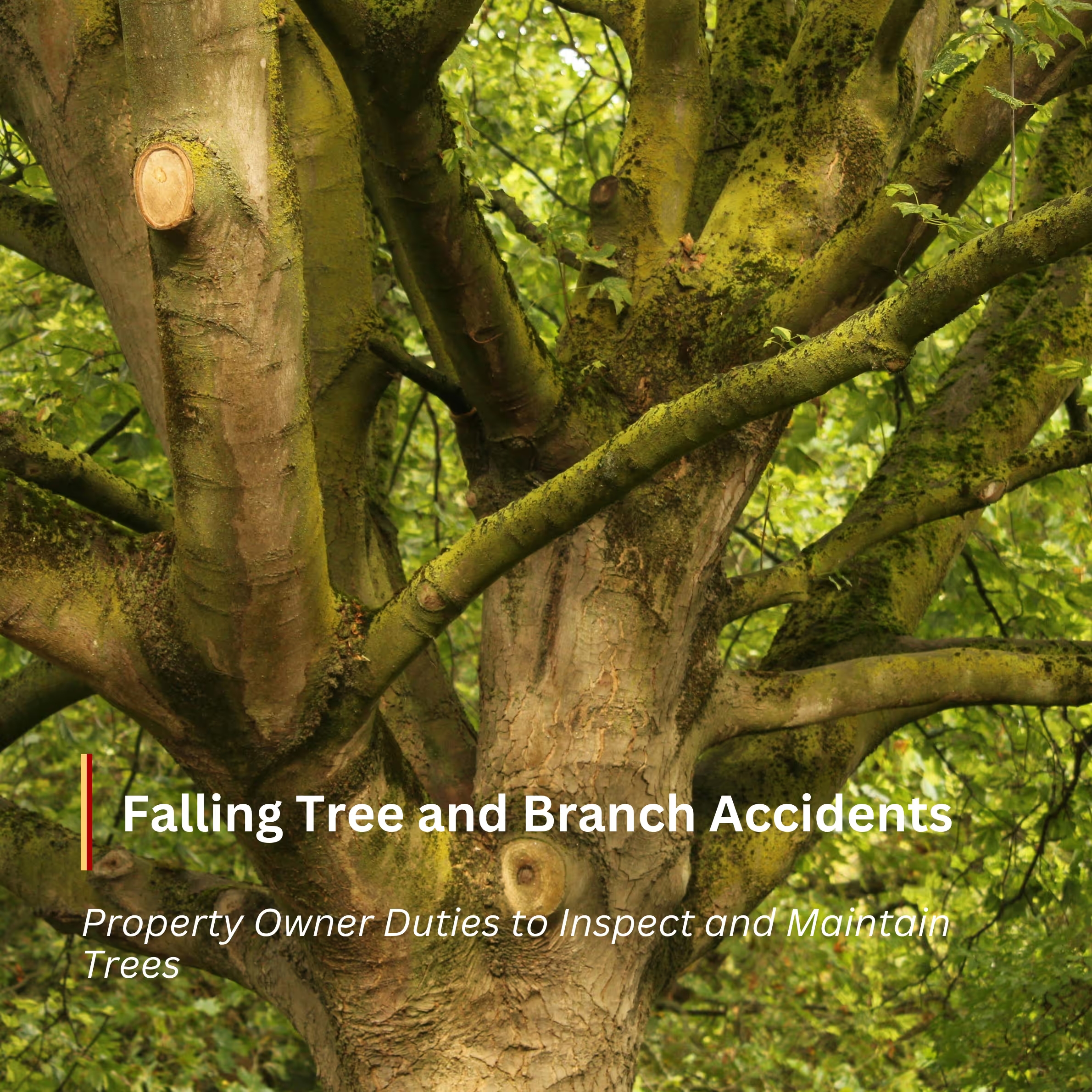
Learn when California property owners may be liable for falling tree and branch accidents and how inspection and maintenance duties apply.
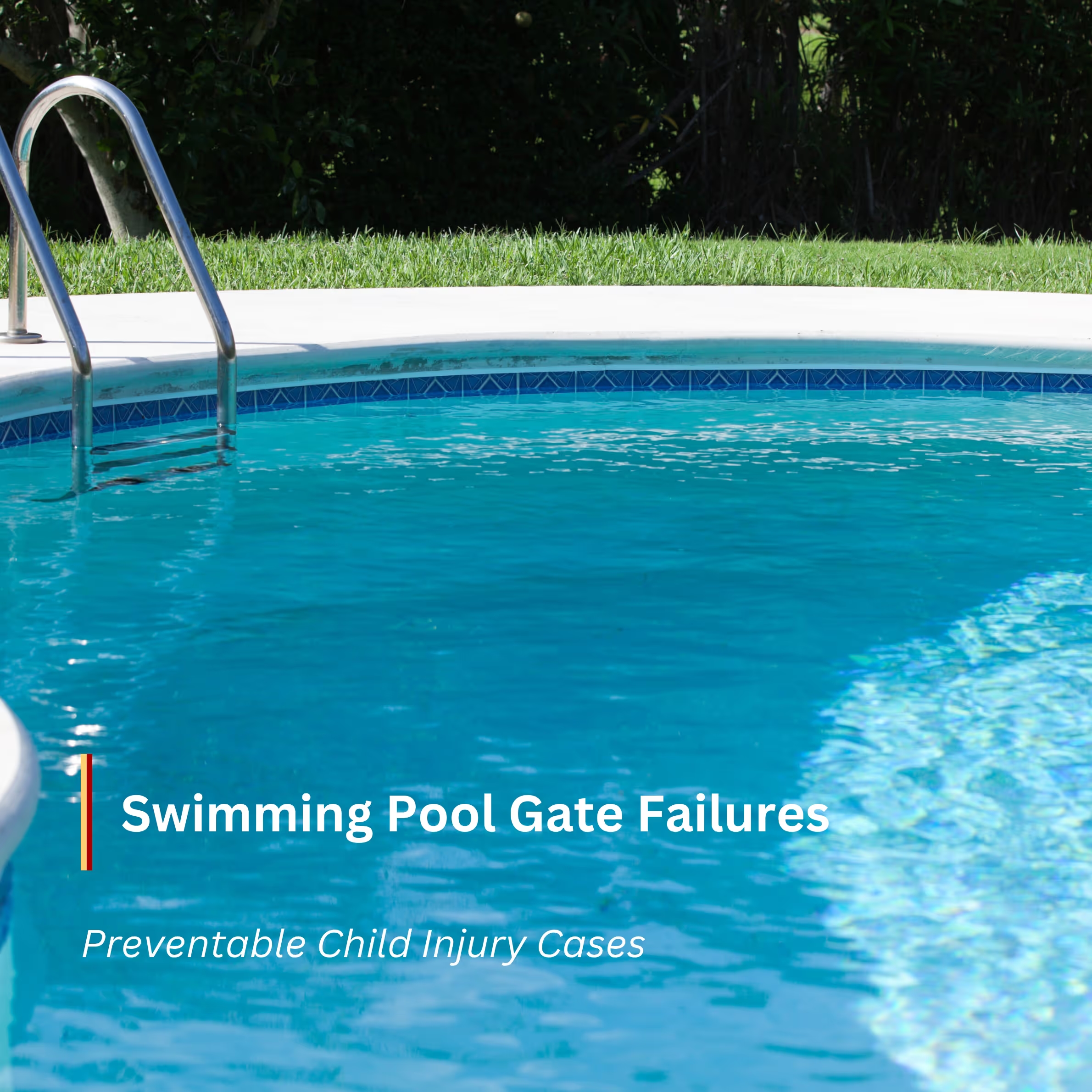
Learn how swimming pool gate failures can contribute to child injuries and when property owners or others may face legal responsibility.