Motorcycle Accidents and Broken Bones
Motorcycle Accidents and Broken Bones
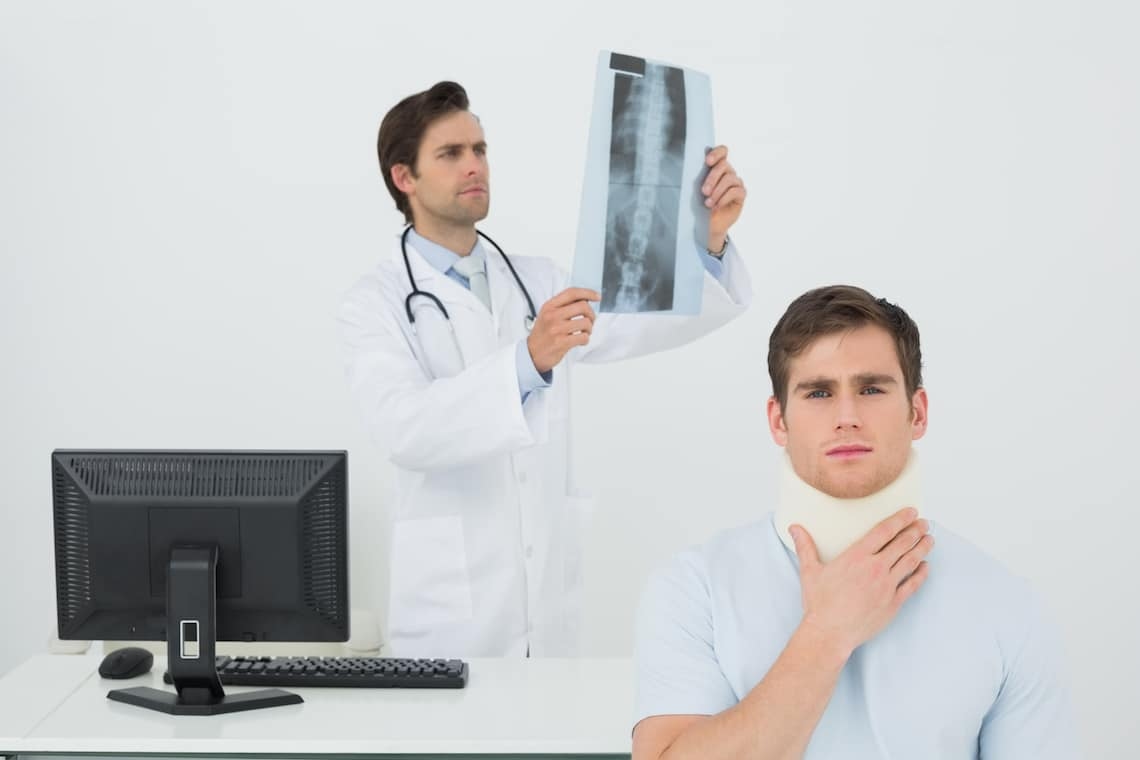
The impact a motorcycle accident can have on a rider or passenger often times inflict damage, ranging from a road rash, broken elbows, hairline fracture, brain hemorrhaging, or a crushed pelvic girdle. It is important to treat your injury and to take immediate action to protect both your legal rights and compensation.
Suffered Broken Bones Injuury Following a Motorcycle Accident
There are many types of injuries involving broken bones caused by a motorcycle accident. Its important to remember that there are different classifications of "broken bones", such as the following:
- Incomplete fracture. An incomplete fracture is a more serious crack that doesn't break the bone all the way through.
- Closed fracture or simple fracture. These breaks do not result in open wounds.
- Open fracture or compound fracture. These breaks penetrate the skin, creating an open wound that is subject to infection.
- Complete fracture. As the term suggests, a complete fracture occurs when the bone has broken in to two pieces.
- Comminuted fracture. Those who suffer comminuted fractures have had their bone shatter into small pieces.
- Compacted fracture. A compacted fracture is a break caused when bone pieces have been driven into each other.
It is highly recommend that you speak to a Los Angeles motorcycle accident attorney before doing or speaking to anyone., including insurance companies. If you or a loved one was suffered a motorcycle accident injury, then you have a limited time to take action. Please contact us online or call our 24/7 motorcycle accident attorney help line directly at (310) 943-1171 to schedule your free, no-obligation consultation.
Some common broken bones include:
- Broken Collarbones: A broken collarbone can result in significant pain and an inability to lift your arm. Many collarbone injuries will heal with immobilization and physical therapy, but sometimes a broken collar bone may require surgery.
- Broken Ribs: While a cracked rib will not cause the victim too many complications, a rib bone that is completely broken can sometimes cause serious internal complications.
- Broken Legs and Arms: Broken legs and arms can heal with casting, surgery and/or physical therapy, but the process can be long and it can significantly interfere with regular daily activities, work, and other basic tasks.
- Broken Vertebrae: Broken vertebrae or back bones can make everything difficult and—depending on the position of the break—can endanger the spinal cord.
- Broken Pelvises: A pelvis injury is painful, can result in sexual dysfunction, and difficulty walking. Thus, prompt medical treatment, physical therapy, and other treatments are must be taken seriously.
https://www.youtube.com/watch?v=zC0xp2SvGnI
KAASS LAW is authorized to practice law in California. The above content is intended for California residents only. This content provides only general information which may or may not reflect current legal developments. KAASS LAW expressly disclaims all liability in respect to actions taken or not taken based on any of the contents of this website. The above content DOES NOT create an attorney-client relationship. KAASS LAW does not represent you unless you have expressly retained KAASS LAW in person at the KAASS LAW office. KAASS LAW criminal defense attorneys help clients in: Los Angeles, Burbank, Hollywood, Glendale, Van Nuys, North Hollywood, Studio City, Highland Park, Eagle Rock, Sunland, Tujunga, Sylmar, San Bernardino, La Crescenta, La Canada, Beverly Hills, Westwood, Santa Monica, Brentwood. Pacoima, Montebello, Commerce, Alhambra, Downey, Bell, Maywood, Walnut Park, Vernon, Lynwood, Echo Park, Silverlake, Mission Hills, Northridge, Woodland Hills, Encino, Canoga Park, North Hills, Porter Ranch, Chatsworth, Reseda.
Related Articles
View All Posts
Illinois limits private equity influence in law firms, reinforcing attorney independence, client confidentiality, and professional judgment.

A Downtown Los Angeles fatal stabbing and vehicle incident raises questions about wrongful death, negligence, and potential civil liability.
E-bikes are gaining popularity across California, offering an efficient and eco-friendly way to get around. But with the rise in usage, the number of e-bike injury incidents involving both riders and pedestrians has also grown. If you’ve been injured while riding an e-bike—or struck by one—you need to take swift action to protect your health and your legal rights. Here's what to do immediately after an injury accident in California
Step 1: Get Medical Attention for Your E-Bike Injury
Your health should always come first. After an e-bike injury, call 911 or go to the nearest emergency room, even if you feel okay. Some injuries, such as concussions or internal bleeding, may not show immediate symptoms.
Seeing a doctor promptly not only protects your health but also creates a medical record that can be critical if you decide to pursue a legal claim.
Step 2: Report the E-Bike Injury to the Police
Call local law enforcement to report the accident. In California, any collision involving injury or property damage must be documented. The responding officer will create an official police report.
Be clear and honest when giving your statement. Make sure you ask how to obtain a copy of the report. It will serve as important evidence in your case.
Step 3: Preserve Evidence—Don’t Disturb the Scene
In any e-bike injury case, preserving the accident scene is critical. If you are physically able, avoid moving the e-bike, other vehicles, or debris until authorities arrive. This helps investigators document the scene accurately.
Take photographs or videos of:
- Damaged e-bikes or vehicles
- Skid marks and debris
- Traffic signs or signals
- Visible injuries
- Your location relative to the road or sidewalk
If you're unable to take photos yourself, ask a witness or bystander to help. Never clean up or move items until the scene is documented.
Step 4: Collect Witness Statements After an E-Bike Injury
Witnesses can play a key role in verifying your version of events. If anyone saw the crash, ask them for:
- Full name
- Contact information
- A brief statement of what they saw
Eyewitness accounts are especially helpful in e-bike injury cases involving disputes over right of way, sidewalk use, or rider negligence.
Step 5: Document Your Injuries and Financial Losses
Keep records of everything related to your e-bike injury, including:
- Photos of injuries
- Doctor’s notes
- Prescriptions
- Physical therapy sessions
- Time missed from work
- Property damage (e.g., broken phones, cracked helmets, damaged e-bike)
Hold on to all bills, receipts, and repair estimates. This documentation will help build your case and support your claim for compensation.
Step 6: Don’t Speak to Insurers Without Legal Help
After an e-bike injury, insurance companies may contact you for a statement. Don’t provide one without first consulting a lawyer. Insurers often try to minimize payouts or shift blame.
At KAASS LAW, we deal with insurance adjusters on your behalf. We make sure your rights are protected and help you pursue fair compensation.
Step 7: Understand Liability in an E-Bike Injury Case
Determining fault is key in any e-bike injury case. Liability may fall on:
- A negligent e-bike rider
- A driver who hit a rider
- The city has hazardous road conditions
- An e-bike manufacturer is experiencing equipment failure
A personal injury attorney can help investigate the cause, gather evidence, and identify all responsible parties.
Common Causes of E-Bike Injury in California
Here are the common causes of e-bike injury for both riders and pedestrians:
- Reckless or speeding riders
- Riding on sidewalks or pedestrian paths
- Distracted riding or driving
- Mechanical failures (brakes, tires, batteries)
- Dooring accidents from parked vehicles
- Failure to yield at crosswalks or stop signs
If negligence was involved, you may be eligible for compensation for your injuries and damages.
Know Your Rights After
California law provides legal options for victims of injury accidents. Whether you're a rider or a pedestrian, you have the right to seek damages if someone else was at fault.
Visit our Personal Injury and Bicycle Accident Lawyer pages to learn more about your rights and how KAASS LAW can help.
When to Contact an Attorney
Don't wait to speak with a qualified attorney if you’ve suffered an injury in California. At KAASS LAW, we assist victims in gathering evidence, filing claims, and securing the compensation they deserve.
We offer free consultations and work on a contingency fee basis, meaning you pay nothing unless we win your case.
E-Bike Safety Resources
Visit the National Highway Traffic Safety Administration (NHTSA) to learn more about e-bike safety, traffic laws, and accident prevention. This reputable resource offers valuable guidance for both riders and motorists.
Call KAASS LAW Today for Help With Your E-Bike Injury Case
If you or a loved one has been involved in an e-bike injury accident—whether as a rider or a pedestrian—you don’t have to face the aftermath alone. The legal team at KAASS LAW is here to help you understand your rights, gather critical evidence, and pursue the compensation you deserve.
Our experienced California personal injury attorneys have successfully represented clients in a wide range of transportation-related accident cases. We are committed to holding negligent parties accountable and helping you get the justice you need to move forward. Call us today at (310) 943-1171 or visit kaass.com to schedule your consultation.