
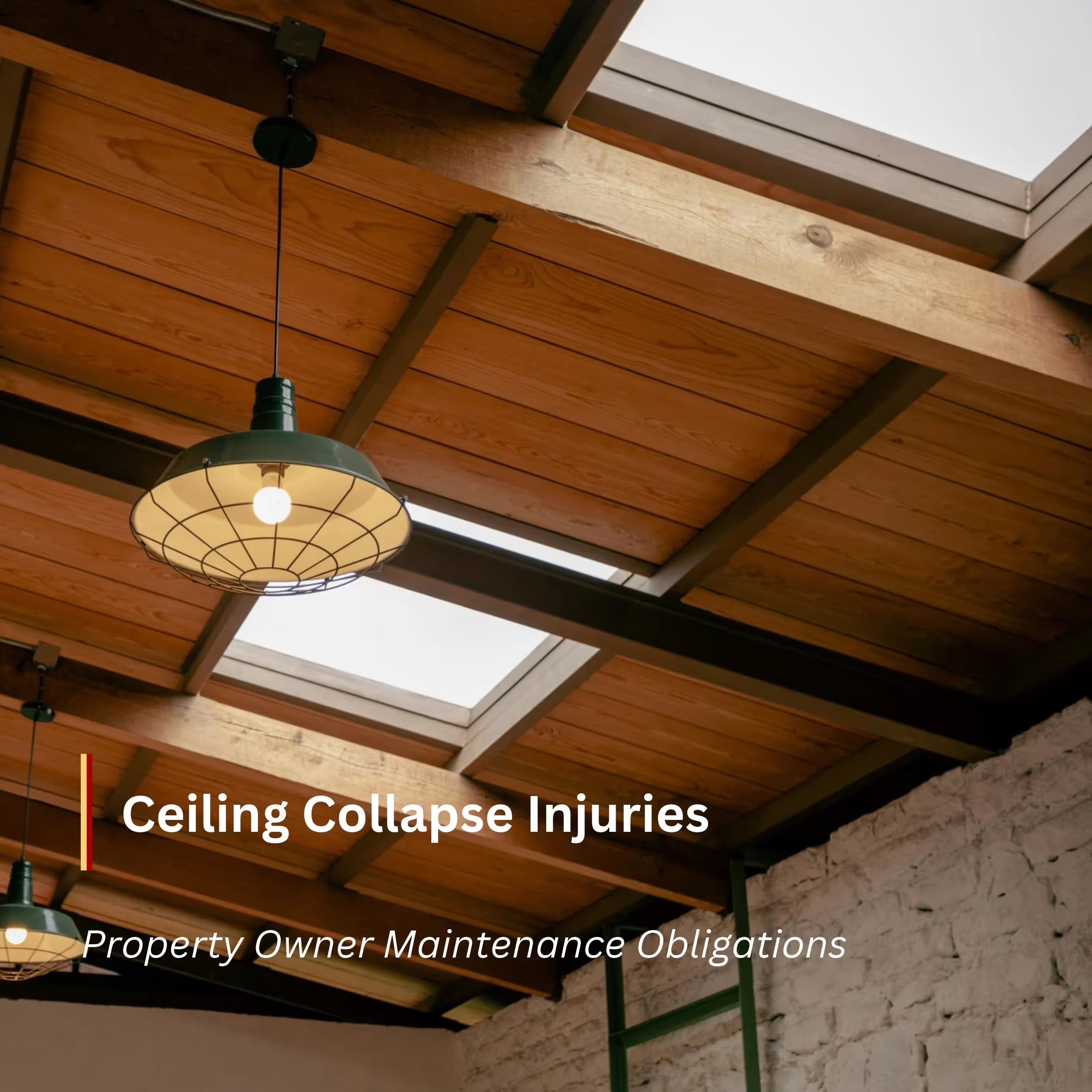
A ceiling collapse can happen without warning, turning an ordinary day at home, work, or a public establishment into a dangerous situation. Falling drywall, plaster, ceiling tiles, insulation, and structural materials can cause significant injuries to anyone beneath them. Understanding the causes of ceiling collapses, the maintenance obligations of property owners, and the legal protections available under California law can help injured individuals evaluate their circumstances and determine appropriate next steps.
Ceiling collapses can occur from several structural and environmental conditions. Some problems develop gradually, while others arise from sudden events.
Water Damage and Plumbing Leaks
Water intrusion is a common factor that causes ceiling deterioration. Leaking pipes, damaged roofing, and malfunctioning HVAC systems can allow moisture to accumulate above ceiling surfaces. Over time, water may weaken drywall, corrode fasteners, and damage supporting materials. Visible water stains, sagging surfaces, peeling paint, and recurring leaks may indicate an underlying maintenance problem requiring investigation.
Structural Deterioration
Older buildings may experience deterioration involving ceiling supports, framing, or attachment systems. When building components weaken, the ceiling may become unstable. Regular inspections and timely repairs can help identify conditions that might otherwise remain unnoticed.
Improper Construction or Renovation
Defective installation, inadequate support, or improper modifications may contribute to ceiling failures. In certain circumstances, contractors, builders, or other parties involved in construction or renovation may share responsibility.
Neglected Maintenance
A ceiling showing signs of cracking, sagging, or repeated water damage may require professional evaluation. When property owners or managers fail to investigate reported problems, preventable hazards may continue developing.
Property owners may have responsibilities that include identifying dangerous conditions, performing reasonable inspections, addressing maintenance problems, and warning occupants about hazards that cannot immediately be corrected. In ceiling collapse cases, relevant considerations may include the following.
California courts have recognized that landlords may have a duty to inspect for dangerous conditions even when they lack actual knowledge of a defect. However, the circumstances determine whether a specific inspection or repair was reasonably required.
Ceiling collapse injuries can range from minor bruising to conditions requiring extensive medical treatment. Depending on the weight of the falling materials and the circumstances of the incident, injuries may include:
Who is Responsible?
Responsibility for ceiling collapse injuries depends on the root cause of the issue and the parties involved in maintaining the property.
Property Owners and Landlords
Owners or landlords may face liability when their failure to exercise reasonable care contributes to a dangerous ceiling condition and resulting injuries.
Property Management Companies
A management company responsible for inspections, maintenance coordination, or repairs may also be subject to liability when its negligent conduct contributes to the incident.
Contractors and Construction Companies
If improper construction, defective installation, or negligent renovation work caused the collapse, contractors or other construction professionals may be responsible.
Other Potentially Responsible Parties
Depending on the circumstances, responsibility may also involve maintenance providers or manufacturers of defective building components. Identifying the appropriate parties often requires the following.
A person pursuing a California premises liability claim usually must establish the following.
After a ceiling collapse, victims should take the following safety precautions.
Immediate documentation may also be very important because damaged building materials are often removed during emergency repairs.
When negligence is established, injured individuals may be eligible to seek compensation for certain losses. Depending on the circumstances, recoverable damages may include, but are not limited to, the following.
Property damage and other documented financial losses may also be important to understand. The availability and amount of compensation depend on the evidence, applicable law, and individual circumstances.
After a ceiling collapse accident, seeking the help of a legal professional may be important for one’s safety and well-being. A qualified professional may be able to review the facts surrounding your case, preserve important information, and determine who may be held responsible for the damage.
The legal team at KAASS LAW is ready to help victims and their loved ones recover after suffering injuries from a ceiling collapse accident. Oftentimes, these types of incidents may present various legal and insurance challenges, leaving individuals scared of the next steps. Don’t wait. Call KAASS LAW today to learn more.

Learn how California's new CARS Act, three-day used car cancellation rights, and updated lemon law procedures affect car buyers and owners.
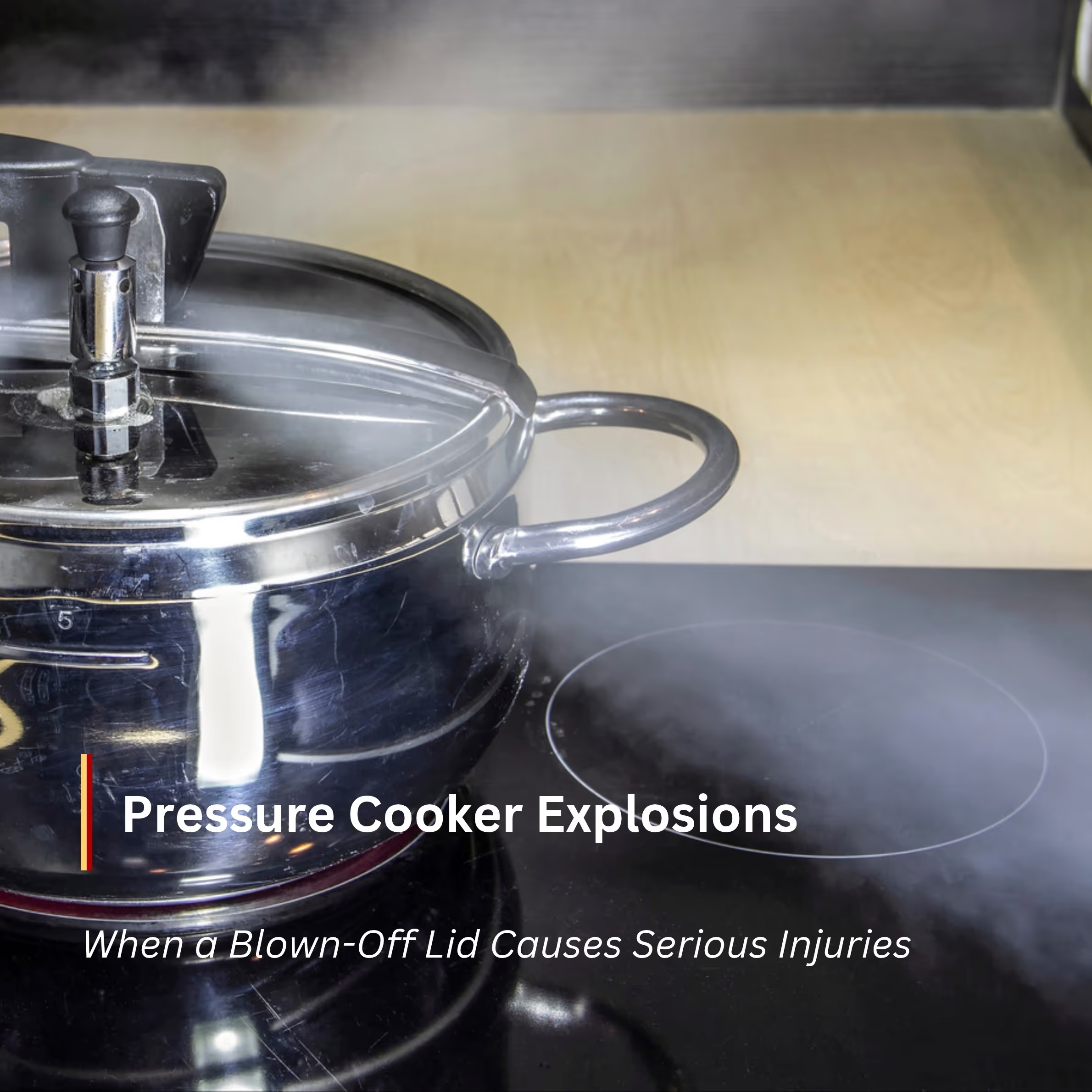
Learn how pressure cooker explosions cause burns and injuries, who may be liable under California law, and what legal options may be available.
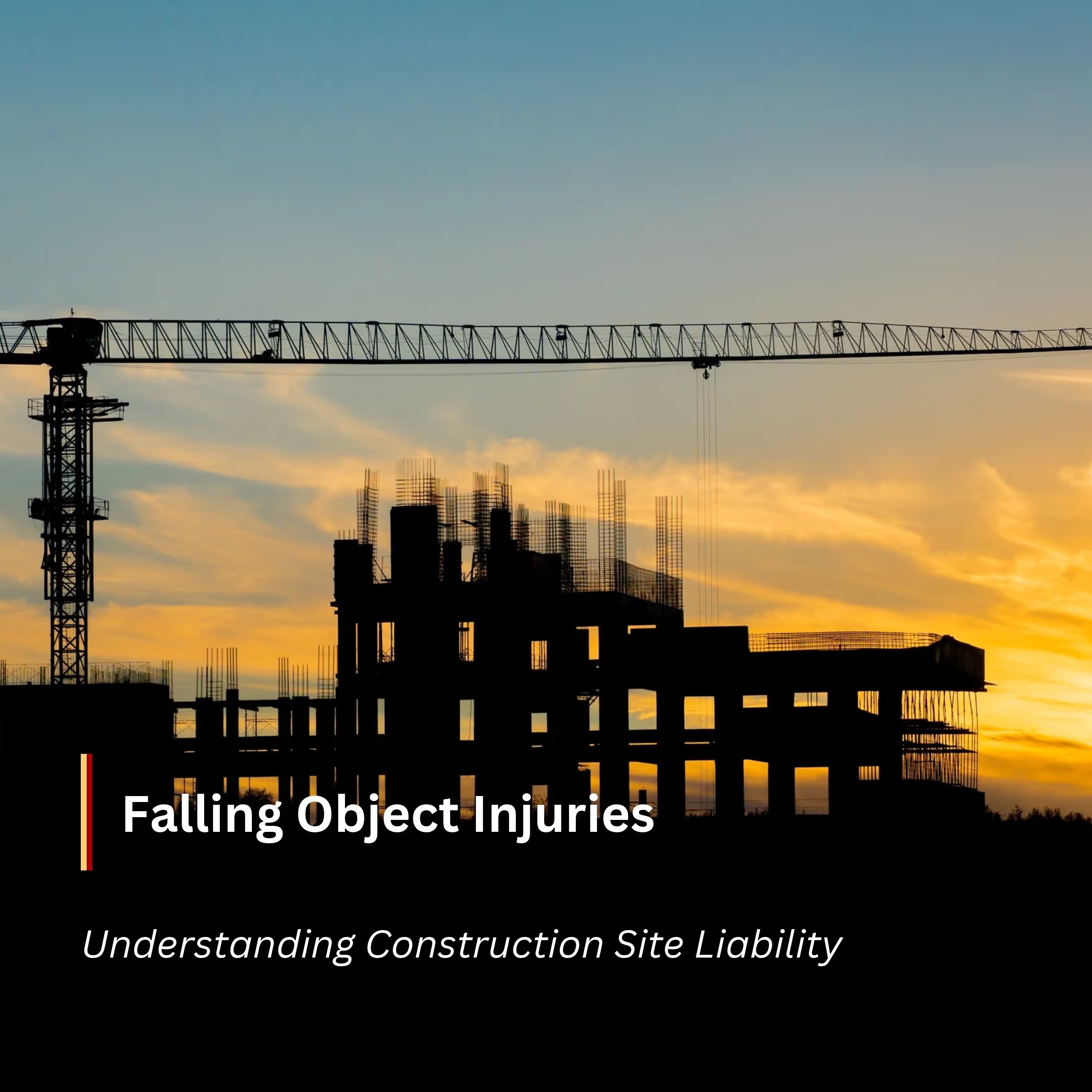
Learn how falling object injuries occur at construction sites, who may be liable, and what legal options are available under California law.