
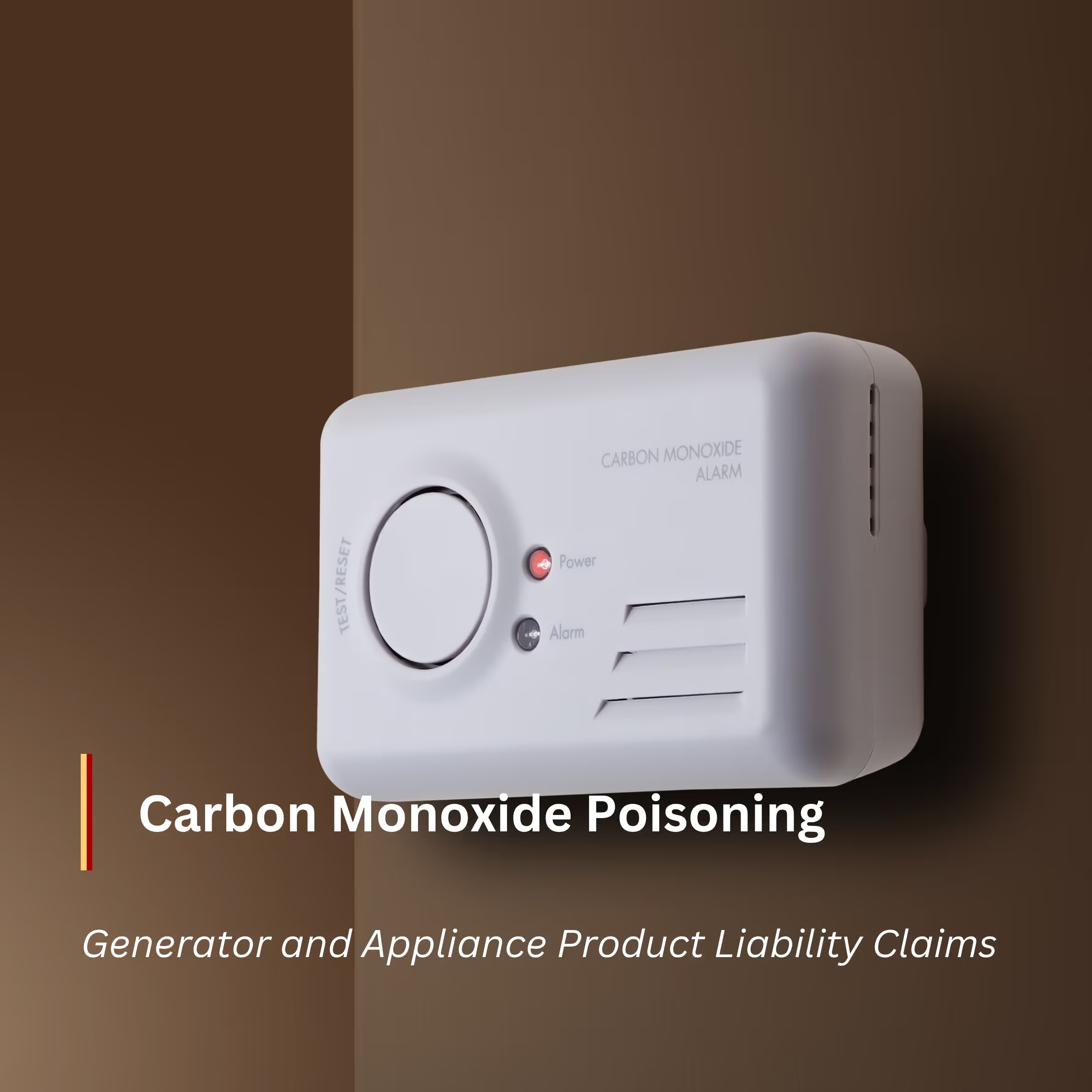
Carbon monoxide poisoning may cause severe or sometimes life-threatening injuries to individuals who are exposed, especially for long periods of time. Oftentimes, these types of accidents can also create difficulties and challenges that individuals may not be able to navigate by themselves. Seeking legal support when suffering injuries from a carbon monoxide accident may help families and loved ones understand the necessary steps to take to work towards recovery. This is crucial to maintaining the health and safety of yourself and those around you.
Carbon monoxide is created when fuels such as gasoline, natural gas, propane, oil, charcoal, or wood do not burn completely. Products capable of producing CO may include:
Portable generators present specific concerns because they may produce substantial amounts of carbon monoxide. In addition, generators should not be operated inside homes, garages, basements, crawlspaces, sheds, or other enclosed areas.
A carbon monoxide poisoning incident does not automatically establish product liability. The circumstances surrounding the product, its condition, its warnings, how it was used, and the cause of the exposure usually need to be investigated.
Under California product liability principles, manufacturers, distributors, and sellers may potentially face liability when a product contains a manufacturing defect, has a defective design, or lacks adequate instructions or warnings.
A product may raise design-defect issues when the danger relates to the way the product itself was designed rather than an error during the manufacturing process.
Manufacturing Defects
Even a reasonably designed product may become dangerous if something goes wrong during manufacturing. A furnace, heater, generator, or other fuel-burning appliance could potentially contain a component that is very different from the intended design.
Failure to Provide Adequate Warnings or Instructions
Manufacturers and suppliers may also have responsibilities concerning warnings about certain product hazards. In a carbon monoxide case, an investigation may examine whether warnings clearly addressed matters such as ventilation, placement, indoor operation, exhaust direction, maintenance, installation, and foreseeable misuse.
It is also important to note that a warning printed somewhere in a manual does not always fix every legal issue. The wording, visibility, placement, and circumstances surrounding the warning may all become important when reviewing and analyzing a case.
Not every carbon monoxide poisoning claim is solely a product liability matter. Sometimes the appliance itself may function as designed, but improper installation, inspection, repair, or maintenance creates a dangerous condition. Potentially responsible parties could include contractors, installers, repair companies, landlords, property owners, or other entities depending on the circumstances.
Carbon monoxide interferes with the body's ability to transport oxygen. Early symptoms can look like the flu or other common illnesses, which may make people assume they are fine. The following injuries may occur after an individual suffers from carbon monoxide poisoning.
Preserving evidence can be especially important after a suspected carbon monoxide accident. Depending on the circumstances, potentially relevant evidence may include but is not limited to the following.
When liability can be established, an injured person may seek damages permitted under California law. Depending on the individual circumstances, these may include medical expenses, lost income, reduced earning capacity, pain and suffering, and other qualifying losses. If carbon monoxide exposure results in death, certain surviving family members may have potential wrongful death or related claims.
A legal professional may be able to review the facts of your case, speak to insurance companies, and help you understand your rights throughout your personal injury claims. This may be crucial when suffering injuries from a carbon monoxide accident. Oftentimes, product liability claims may pose severe challenges to victims who may be going through this process alone. That is why the help of an attorney may be beneficial and necessary.
At KAASS LAW, we understand the challenges victims and their families may face after suffering injuries from a carbon monoxide poisoning accident. An accident involving a carbon monoxide detector may cause severe injuries, leaving families fearful of the future. That is where KAASS LAW comes in. Our professional personal injury attorneys may be able to preserve necessary pieces of evidence, speak to insurance companies, and make sure you are aware of the necessary steps to take moving forward. Call KAASS LAW today to learn more and discuss your potential options.
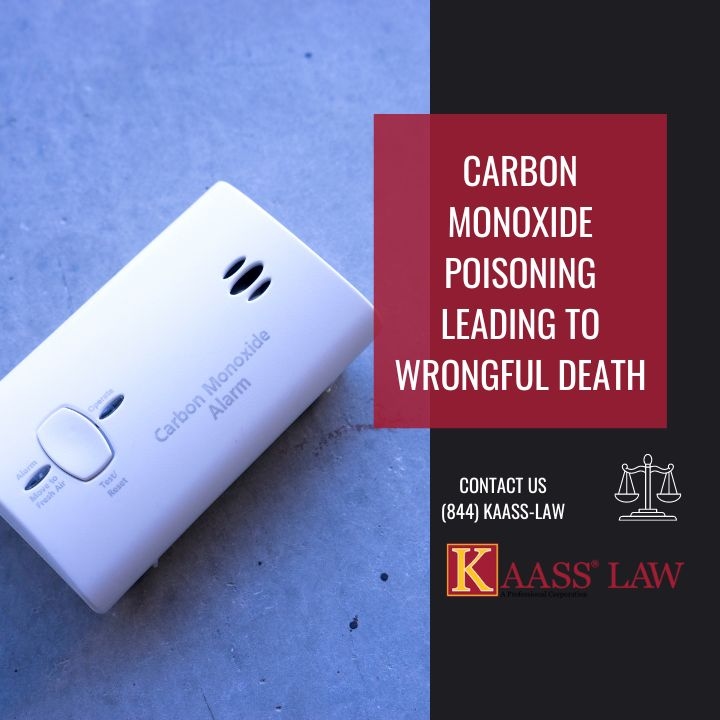
Carbon monoxide poisoning is dangerous. It is a gas that may cause a death to you or your loved ones. With carbon monoxide, it is difficult to catch at an early stage as it is spreading, however, they are ways that one may prevent it from the spread in the first place. Thus, take a look into this article to understand what factors to consider.
Carbon monoxide poisoning initially begin with slight symptoms of a headache. Other potential circumstances may be through the feeling of sickness or being lightheaded. It is highly dangerous to those who are exposed to high levels of carbon monoxide gas. Since the gas has no smell, people could mistake it for the flu. Especially if their symptoms worsen and include chest pain, vomiting, and fatigue.
Fuels that burn incompletely or inefficiently emit carbon monoxide. A buildup of carbon monoxide gas can be brought on by coal fires, burning wood, burning oil, burning car engines, using gas generators, or burning wood in poorly ventilated areas. Possible sources causing carbon monoxide include:
You must demonstrate that someone's activity or omission was the cause of the fatal damage. This will help to obtain financial compensation through a wrongful death claim. If you want to prove that you had a duty of care and that one could have prevented the carbon monoxide exposure, you might require our assistance. For example, the cause of your loved one's passing might have been: Tenant carelessness. If the relative's landlord neglected to check that the heating, cooking, and ventilation systems were in excellent working order before renting out the property, you might have a premises liability case. If the building's bad design made injury more likely, landlords, property management firms, and the developer might be accountable. Household flaws. Homeowners may file claims against the architect of the residence, the remodeling firm, the business that installed the furnace, etc. Defective appliances. It is the responsibility of the maker of consumer devices that produce carbon monoxide to make sure the appliance does not have a faulty design. In order to prevent injuries, they must also provide clear instructions on how to utilize the device. CO alarms that aren't working properly. Although carbon monoxide detectors are more prevalent in average homes, they are useless if they malfunction. Autos with problems. If an exhaust pipe leak or obstruction resulted in the poisoning, automakers and mechanics may all be liable.
Although money cannot replace a lost loved one, KAASS LAW legal team will use all of its resources to hold those responsible accountable and obtain a settlement that enables you to go on. To learn more about your next steps and to receive a free explanation, get in touch with us right now by calling (310) 943-1171. In addition, visit the website for our other practices.